
Written by the AsiaCommerce Strategy Team — B2B cross-border procurement and distribution specialists operating under PT Exim Jaya Abadi and PT Kalimas Mitra Perkasa since 2016. Last updated: August 2026.
ASIACOMMERCE - Global buyers have relied on direct sourcing from China for decades.
That model still works, but it no longer stands alone the way it once did.
A growing number of buyers now route part of their sourcing and distribution strategy through Southeast Asia.
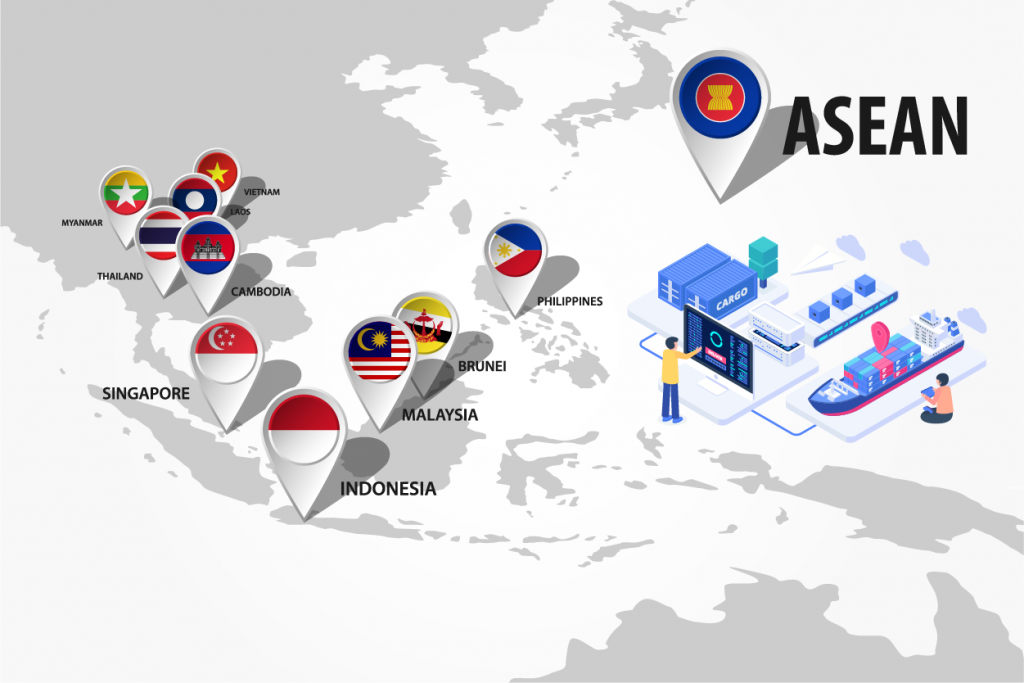
Indonesia, Malaysia, and the Philippines increasingly sit between Chinese factories and the end buyer.
Understanding why this shift is happening helps explain where global sourcing is heading next.
Our team has watched this pattern build steadily across client accounts since 2016.
What Is Driving Buyers Toward a Regional Model
Tariff volatility is one of the clearest forces behind this shift.
Trade policy between major economies has changed several times in recent years, and each change reshapes landed cost overnight.
Buyers who route products through a regional hub gain flexibility that direct-only sourcing does not offer.
(ALSO READ: The Hidden Cost of ‘Cheap’ Factories in China — And How to Spot Them Before You Order)Southeast Asia also offers proximity advantages that pure China-based shipping cannot match for regional distribution.
A product warehoused in Indonesia reaches Southeast Asian customers far faster than one shipped fresh from a Chinese port each time.
That speed matters directly to marketplace ranking and customer satisfaction in fast-moving e-commerce categories.
Manufacturing itself is also shifting, not disappearing from China but expanding its footprint regionally.
Many Chinese manufacturers now operate satellite production or assembly lines within Southeast Asia.
That gives buyers a hybrid option: core components sourced from China, final assembly or packaging completed closer to the end market.
The result is a supply chain that is more resilient to any single point of disruption.
Buyers who diversify this way are not abandoning China as a manufacturing base.
They are simply refusing to depend on a single country for every link in the chain.
Why Southeast Asia Fits This Role So Well
Southeast Asia's position on the map is only part of the advantage.
The region also offers a growing consumer base of its own, not just a transit point for goods headed elsewhere.
Indonesia alone represents one of the largest e-commerce markets in the world by population.
That means goods routed through the region can serve two purposes at once: regional distribution and access to a real, growing local market.
(ALSO READ: Indonesia’s E-Commerce Boom: What Foreign Brands Get Wrong When Entering the Market)Trade agreements within ASEAN also simplify movement of goods between member countries once they land in the region.
A shipment cleared into Indonesia can often move onward to Malaysia or the Philippines with far less friction than shipping fresh from China each time.
Labor costs and manufacturing capacity across the region continue to grow, giving buyers more sourcing options within a single logistics footprint.
None of this replaces China's scale or manufacturing depth.
It adds a layer of flexibility that buyers relying on a single country simply do not have.
What This Means for How Buyers Should Plan
A buyer building a supply chain strategy today rarely needs to choose between China and Southeast Asia.
The more resilient approach treats them as connected parts of the same chain rather than competing options.
Sourcing decisions increasingly ask not just where a product is made, but how it moves once it is.
Warehousing location, regional distribution routes, and customs efficiency now matter as much as factory-gate pricing.
Buyers who plan this way tend to weather tariff changes and shipping disruptions with far less disruption to their own operations.
The ones caught off guard are usually the ones still treating sourcing as a single link rather than a full chain.
How AsiaCommerce Fits Into This Model
This is exactly the model AsiaCommerce was built to support from day one.
As a cross-border operator working across sourcing in China and distribution in Indonesia, Malaysia, and the Philippines since 2016, our team manages both ends of this chain directly.
That includes supplier negotiation and quality control in China, alongside customs clearance, warehousing, and marketplace distribution across Southeast Asia.
For buyers exploring how to build a more resilient regional strategy, that combination removes the need to coordinate separate partners for sourcing and distribution.
If your supply chain still depends entirely on one country and one route, this shift toward a regional model is worth a closer look before the next disruption forces the decision.
📲 Consult your cross-border supply chain strategy now via WhatsApp: +62 877-7704-7097 (*)
AsiaCommerce: Cross-Border Supply Chain Enabler for Southeast Asia
0 Comments