
Written by the AsiaCommerce Sourcing Team — B2B cross-border procurement specialists operating under PT Exim Jaya Abadi and PT Kalimas Mitra Perkasa since 2016. Last updated: August 2026.
ASIACOMMERCE - Overseas buyers often chase the lowest quote when sourcing from China.
A factory offers a price 30 percent below every other supplier contacted.
The sample photos look clean, and the minimum order quantity feels flexible.
Many buyers wire the deposit without asking why the price is so different from the rest of the market.
The real cost of that decision often only appears after the shipment lands.
Our sourcing team has reviewed this exact pattern across hundreds of client orders since 2016, and the outcome is rarely a coincidence.
Why "Cheap" and "Low-Cost" Are Not the Same Thing
China's manufacturing base is enormous, and pricing can vary sharply for products that look identical on paper.
A factory quoting far below market average is usually cutting cost somewhere in the process.
That cost cut can be thinner materials, unlicensed subcontracting, or skipped quality checks.
It can also be hidden fees that appear later as "urgent processing" or "extra handling" charges.
Genuine cost advantages do exist among factories with better machinery or lower overhead.
The real challenge is separating an honest efficiency gain from a corner being quietly cut.
The biggest risk of chasing the lowest quote is not the price itself.
It is everything that price fails to account for once the order is placed.
A batch that fails quality control after reaching your warehouse costs more than the goods alone, since it also costs the freight already paid and the time spent arranging a rushed replacement order.
A defective or delayed shipment rarely stays a private problem between buyer and factory.
It quickly becomes a customer-facing problem that is far more expensive to repair.
The Costs That Never Appear on the Invoice
Budget factories often operate with limited English-speaking staff and slow response times.
Clarifying a single spec change can take weeks of delayed replies and translation guesswork.
Some low-cost manufacturers cannot produce proper certifications or export documentation on request.
Discovering this gap after the goods are already in transit can leave a shipment stuck at customs.
Experienced buyers develop an instinct for spotting these risks, but the checks behind that instinct are learnable by anyone.
These are the same checkpoints our own procurement team applies before approving a supplier for a client order.
Every legitimate Chinese manufacturer holds a registered business license with a defined scope of business.
A "factory" registered only as a trading company is very likely reselling another factory's output, which is worth knowing before you negotiate price.
Product photos can be pulled from anywhere on the internet.
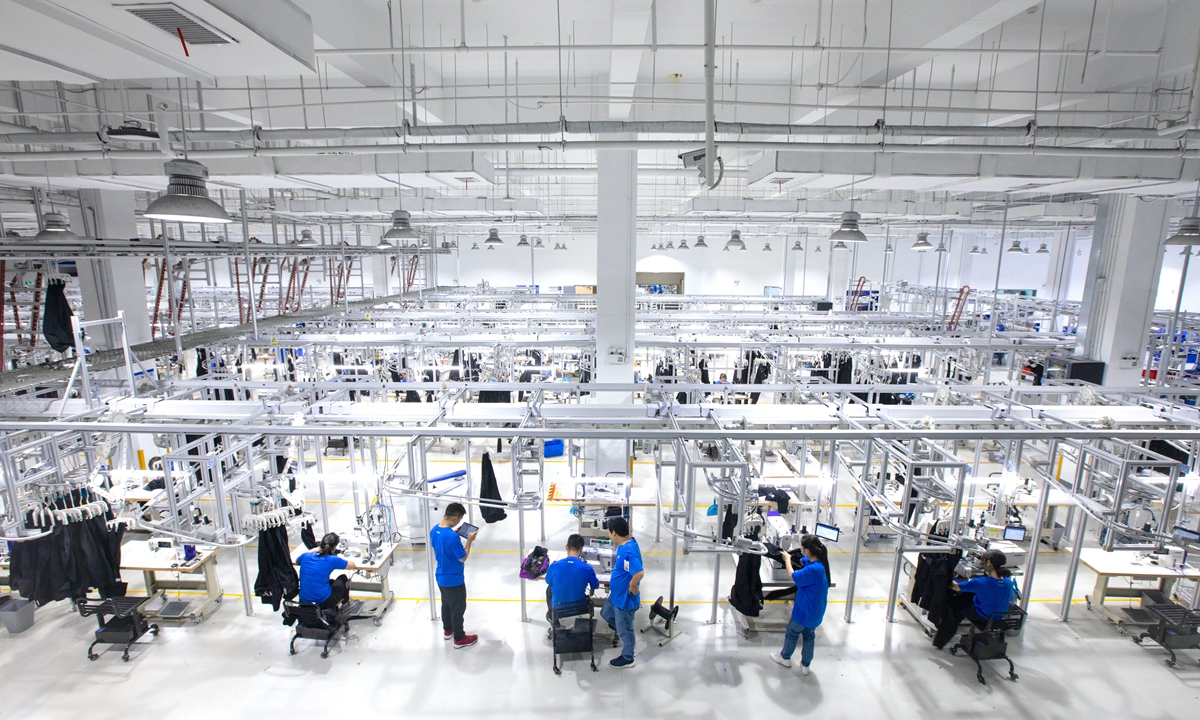
Ask instead for recent video walkthroughs of the actual production floor tied to your order.
How to Vet a Supplier Before You Commit
A single low quote on its own tells a buyer very little.
A quote sitting far below three or four comparable quotes signals a cost structure worth questioning before you commit.
A third-party inspection before goods leave the factory is one of the highest-value steps in the entire sourcing process.
Catching a defect before shipping costs a fraction of catching it after the goods have already arrived.
Every supplier looks easy to work with when things go smoothly.
Ask instead how they handle a defect or a missed deadline, since a clear answer usually means they have faced the problem before.
China remains one of the most capable and cost-effective manufacturing bases in the world.
The real argument here is against sourcing on price alone, not against sourcing from China itself.
Buyers who source successfully year after year are not the ones who found the cheapest factory.
They are the ones with a reliable process for verifying quality, communication, and compliance before money moves.
Where a Sourcing Partner Fits In
That verification work is exactly where many overseas businesses hit a wall.
Checking business licenses, arranging inspections, and vetting a factory from another country takes local presence, language ability, and time most teams do not have in-house.
AsiaCommerce closes that gap by negotiating directly with vetted suppliers and running quality checks before goods ever leave the factory.
As a licensed cross-border procurement operator working on the ground in China since 2016, our team handles the verification work so buyers do not have to gamble on a quote alone.
If sourcing from China has felt more like a gamble than a process, that is usually a sign the process itself is missing a piece, not that the market is not worth sourcing from.
📲 Consult your sourcing strategy now via WhatsApp: +62 877-7704-7097 (*)
AsiaCommerce: Cross-Border Supply Chain Enabler for Southeast Asia
0 Comments