
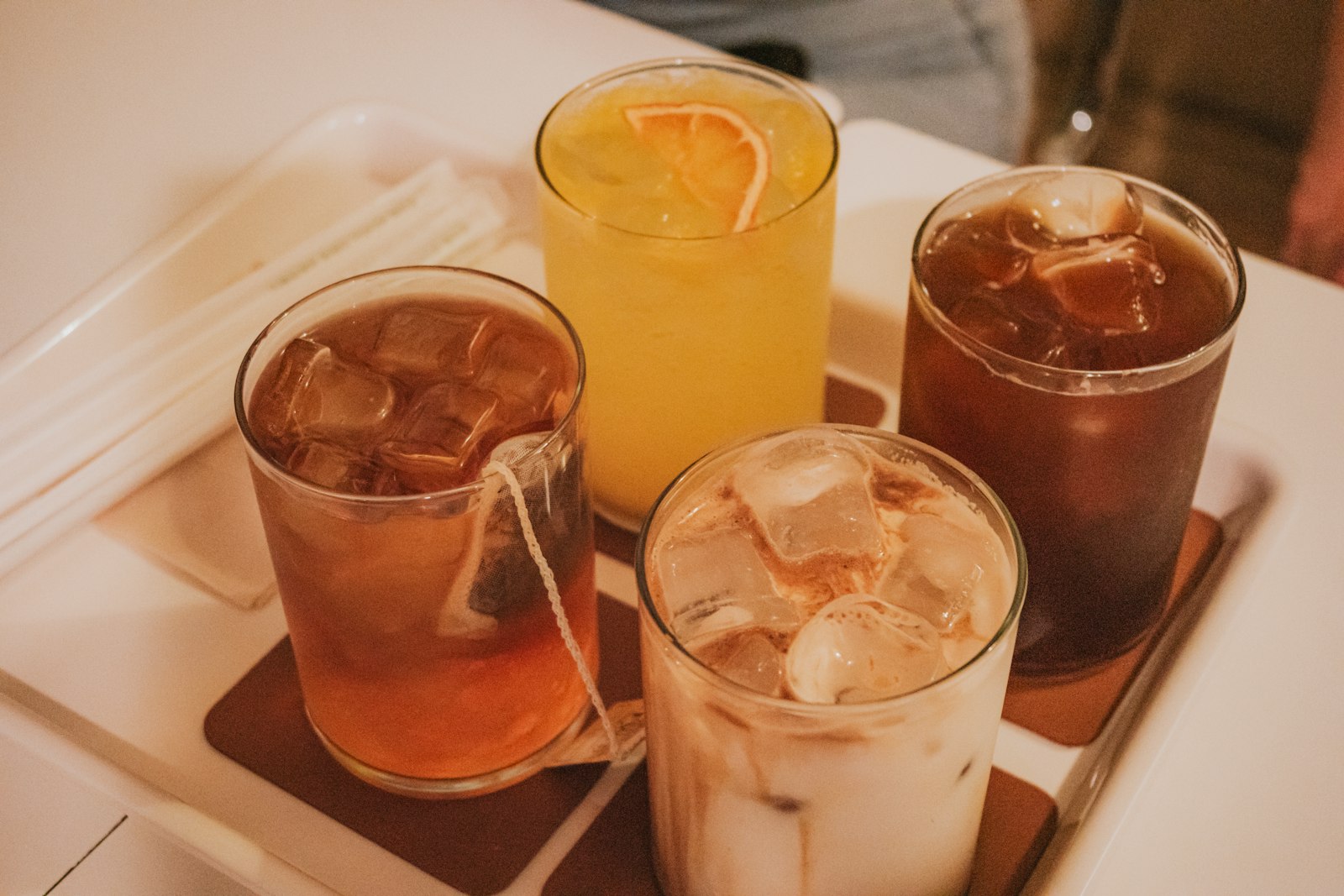
ASIACOMMERCE - New coffee shops seem to open every week in Manila, Cebu, Kuala Lumpur, and Johor Bahru. Each one competes on taste, speed, and a menu that keeps changing. For café owners and coffee chains, that pressure is why many now import beverages from China for coffee shops, from flavoured syrups and sauces to milk powders, toppings, and tea bases.
The menu board is where cafés win or lose. Supply is what keeps it full.
Our take: Coffee shops, kiosks, and café chains in the Philippines and Malaysia can import beverages from China for coffee shops, from syrups, sauces, and creamers to matcha and tea powders, jelly toppings, and coffee beans. The products that work taste consistent from batch to batch, carry proper labels and documents, and arrive before new menu launches.
Why Are Coffee Shops Growing So Fast?
Because coffee has become an everyday habit, not a treat.
In the Philippines, the café sector is forecast to grow about 7.1% a year to 2029, with outlets projected to rise to more than 20,000 nationwide, Context.ph reported in March 2026, citing a market report.
In Malaysia, new chains keep expanding. One chain from China passed 120 outlets nationwide in July 2026, Vie Asia reported via Newswav.
Of course, more cafés means more competition. As a result, owners who import beverages from China for coffee shops look for new flavours and steady supply at the same time.
What Do Cafés Import Beverages from China for Coffee Shops For?
| Product group | Examples | Why cafés use it |
|---|---|---|
| Syrups and sauces | Caramel, vanilla, hazelnut, and fruit syrups | Quick new menu items |
| Powders | Matcha, cocoa, milk tea, and creamer powders | Consistent taste, long shelf life |
| Toppings | Jelly, popping pearls, and cream cheese foam mixes | Signature drinks and upsells |
| Coffee beans | Yunnan arabica and blends | A different origin story |
Typically, most cafés start with syrups and powders. After that, they add toppings and seasonal flavours as the menu grows.
Which Rules Apply to Café Supplies?
Food rules apply to every bottle and bag.
In the Philippines, packaged food and drink ingredients generally need FDA registration before sale. In Malaysia, imported food must meet the Food Act 1983 and the Food Regulations 1985, including labelling, based on regulations at the time of writing.
Also, many Malaysian cafés prefer halal-certified ingredients, so more customers can enjoy the menu.
That is why, before you import beverages from China for coffee shops with us, our team reviews ingredient lists, labels, and factory documents early.
For the wider picture on café ingredients, see our main guide on how to import beverages from China.
How Do You Keep Drinks Tasting the Same Every Day?
By locking in the recipe at the factory.
For example, a syrup that tastes slightly different in every batch confuses regular customers. Similarly, a powder that clumps in humid weather slows down the bar.
Our team checks samples against your approved recipe, then inspects seals, expiry dates, and packing before loading. In short, the cup should taste the same in March as it did in January.
Cafés that import beverages from China for coffee shops also keep a buffer stock, so a late shipment never empties the menu.
When Should You Import Beverages from China for Coffee Shops?
Before the season, not during it.
For example, holiday drinks sell in December, and many cafés launch Chinese New Year specials in late January. In addition, summer brings demand for iced drinks and fruit flavours.
Production, label work, and shipping all take time. For that reason, our team plans each order backwards from your launch date.
That way, café owners can promote new drinks with confidence.
Which Related Guides Help Café Owners?
Usually, the ones on tea, distribution, and convenience retail.
If you also sell bottled drinks, see how convenience stores stock drinks from China.
For wholesale supply, read our guide for beverage distributors. And for festive menus, see our article on Chinese New Year tea and drinks.
How AsiaCommerce Helps You Import Beverages from China for Coffee Shops
A café supply order involves several factories, recipes, labels, documents, and careful packing.
AsiaCommerce, experienced in export and import since 2016, runs the procurement so you can focus on your customers.
Our team sources suitable factories, checks the goods and documents, and coordinates official import in line with regulations.
Here is how it works:
- Send us the product link or your product requirements.
- Receive a full cost breakdown up to delivery, including shipping, duties, and import taxes.
- Make your payment.
- Our team purchases and checks the goods, then imports them officially in line with regulations.
- The goods arrive at your business address.
You can also learn more about our import procurement solution and our quality inspections.
Planning your next café menu? WhatsApp us
Coffee Shop Supply FAQs
What café supplies come from China?
Syrups, sauces, creamer and matcha powders, jelly toppings, and coffee beans.
Do café ingredients need FDA registration in the Philippines?
Generally, yes. Packaged food ingredients need FDA registration before sale.
Can I import beverages from China for coffee shops under my own label?
Yes. Many factories can pack syrups and powders with your brand.
Can Malaysian cafés get halal-certified ingredients?
Yes. Many factories in China make halal-certified syrups and powders.
How are café supplies checked before shipping?
Our team checks samples, taste, seals, expiry dates, labels, and packing before loading.
AsiaCommerce is a China sourcing and procurement partner for businesses in the Philippines, Malaysia, and Indonesia.
AsiaCommerce: Cross-Border Supply Chain Enabler for Southeast Asia