
ASIACOMMERCE - More cafés and tea shops in Malaysia and the Philippines now import beverages from China to keep their menus fresh and their supply steady.
Tapioca pearls, tea leaves, syrups, jellies, and powders are the daily fuel of every boba counter.
When one ingredient runs out, a popular drink disappears from the menu.
For a café with several outlets, that gap quickly turns into lost sales.
Short answer: Yes, cafés and distributors can import beverages from China, especially boba and tea supplies.
The key is choosing ingredients that meet local food rules, including halal needs in Malaysia, with the same taste in every shipment.
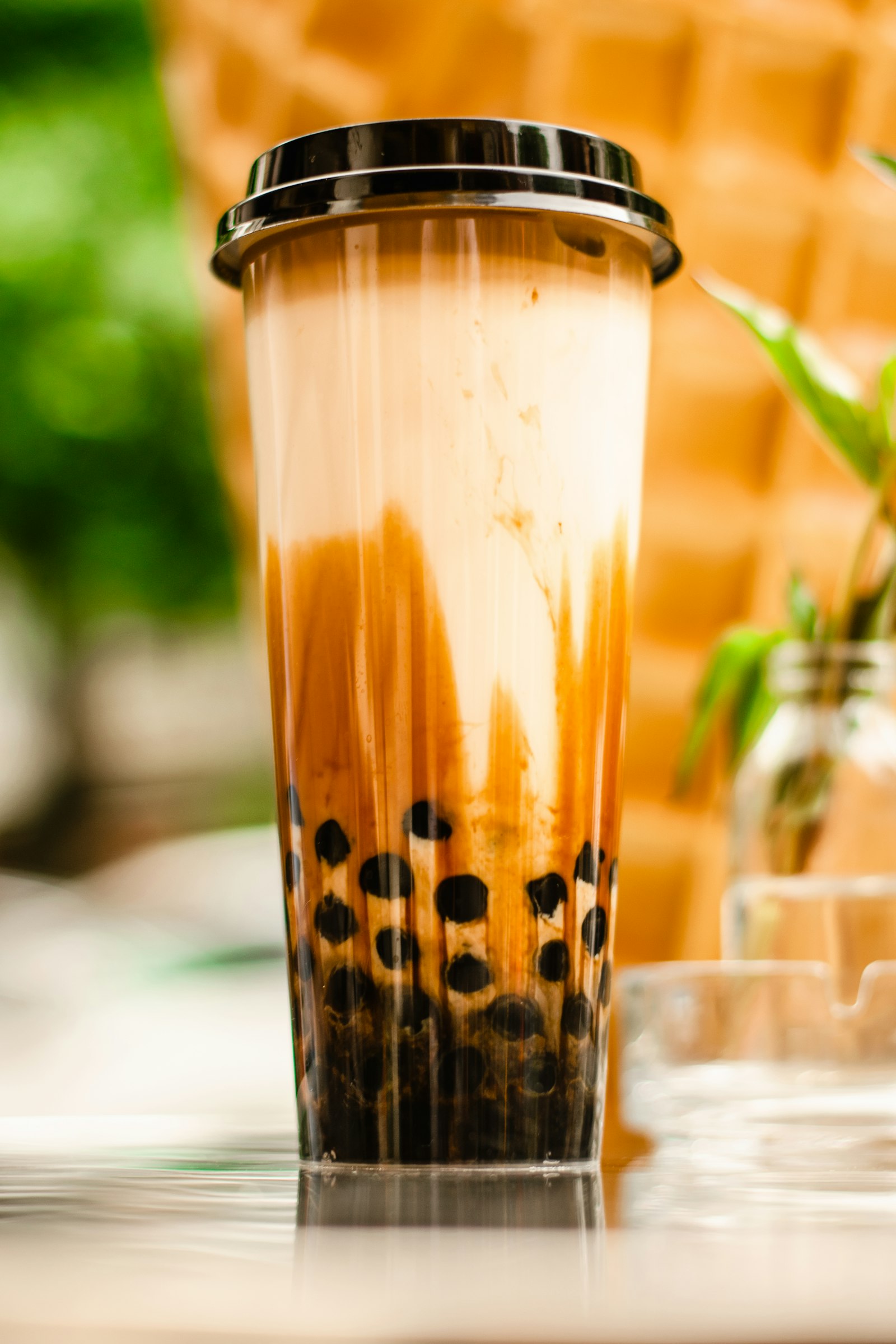
Why Are Cafés Looking to Import Beverages from China?
Chinese tea brands have shown how big this market has become.
For example, Chagee entered Malaysia in 2019 and now runs 196 stores there, The Star reported in March 2026.
The same report said Mixue has more than 4,700 stores outside China, with Southeast Asia as its core overseas market.
Both brands rely on mature supply chains that start in China.
Meanwhile, in the Philippines, Chagee opened its 11th store in February 2026, Manila Bulletin reported.
As big chains raise customer expectations, independent cafés also need ingredients that taste consistent and arrive on time.
That is why many café owners now import beverages from China directly through a procurement partner.
Which Beverage Supplies Do Cafés Usually Source?
When cafés import beverages from China, most orders fall into a few clear groups.
| Supply group | Examples | What usually matters most |
|---|---|---|
| Toppings | Tapioca pearls, popping boba, jellies | Texture, shelf life, and storage |
| Tea bases | Black tea, green tea, oolong, jasmine tea | Aroma, grade, and batch consistency |
| Flavours | Fruit syrups, brown sugar syrup, milk tea powder | Ingredient list, sugar level, and halal status |
| Packaging | Cups, sealing film, wide straws | Food-grade materials and fit with your machines |
A single boba supplier rarely makes every item well, so many cafés combine several factories in one order.
Are Ingredients or Ready-to-Drink Products Easier to Bring In?
Ingredients usually suit cafés better than ready-to-drink bottles.
They take less space, last longer, and let your team create a signature menu.
In contrast, ready-to-drink products are heavier, more fragile, and often face stricter label checks on the shelf.
Either way, imported processed foods and drinks generally need local approval before sale, based on regulations at the time of writing.
In the Philippines, that work falls under the Food and Drug Administration.
In Malaysia, imported food falls under the Ministry of Health's food safety rules.
Why Does Halal Matter When You Import Beverages from China for Malaysia?
Halal status shapes who will buy your drinks in Malaysia.
Many customers, malls, and food courts expect clear halal assurance.
Malaysia only accepts foreign halal certificates from bodies that JAKIM recognises.
So when you import beverages from China, each halal certificate needs to come from a recognised body.
Otherwise, a product may look halal in China but still fail expectations in Malaysia.
Sugar is another rising topic.
In December 2025, Chagee Malaysia received certification under the health ministry's Healthier Dining Programme, the same Star report noted.
That programme limits drinks to five grams of sugar per 100 millilitres.
As a result, lower-sugar syrups and bases are becoming a smart addition to many café orders.
How Do Consistency and Shelf Life Affect Your Choice of Bubble Tea Supplier?
Your customers notice when the pearls feel different or the tea tastes weaker.
For that reason, if you import beverages from China, your bubble tea supplier must deliver the same recipe and grade in every batch.
Shelf life also matters, because sea freight and storage take time before stock reaches your counter.
In addition, labels must show ingredients and dates clearly for inspections in your country.
Checking all of this across several factories is hard to manage from Kuala Lumpur or Manila.
That is where a procurement partner on the ground in China makes the difference.
How AsiaCommerce Helps You Import Beverages from China
Bringing beverage ingredients into Malaysia or the Philippines properly involves food rules, documents, and several parties.
If one document is missing, authorities can hold the goods while your outlets wait.
AsiaCommerce, experienced in export and import since 2016, runs the procurement so you can focus on your café.
Our team helps you import beverages from China by sourcing suitable factories, checking the goods, and coordinating official import in line with regulations.
Here is how it works:
- Send us the product link or your product requirements.
- Receive a full cost breakdown up to delivery, including shipping, duties, and import taxes.
- Make your payment.
- Our team purchases and checks the goods, then imports them officially in line with regulations.
- The goods arrive at your business address.
You can also learn more about our import procurement solution and our quality inspections.
Chat with Our Team on WhatsApp About Your Café Supplies
FAQ: Import Beverages from China
Can cafés import beverages from China such as boba and tea supplies?
Yes, many cafés source tapioca pearls, tea, syrups, and powders from Chinese factories.
The goods still need to meet food rules in Malaysia or the Philippines before sale.
Do imported beverage ingredients need halal certification in Malaysia?
It is not required for every product, but many buyers in Malaysia expect it.
If you want a halal claim, the certificate must come from a body that JAKIM recognises.
Is it easier to bring in ingredients or ready-to-drink products?
Most businesses that import beverages from China find ingredients easier, because they are lighter and last longer.
Ready-to-drink products often need more space and closer label checks.
Can I order tea and toppings from different factories in one shipment?
Yes, many cafés combine items from several factories into one consolidated order.
This keeps your menu complete while reducing separate shipments.
Can a Chinese factory make syrups under my café's own brand?
Some factories offer private label syrups and powders for café chains.
Our team can discuss your plan and the options that fit your volume.
AsiaCommerce is a China sourcing and procurement partner for businesses in the Philippines, Malaysia, and Indonesia.
AsiaCommerce: Cross-Border Supply Chain Enabler for Southeast Asia