
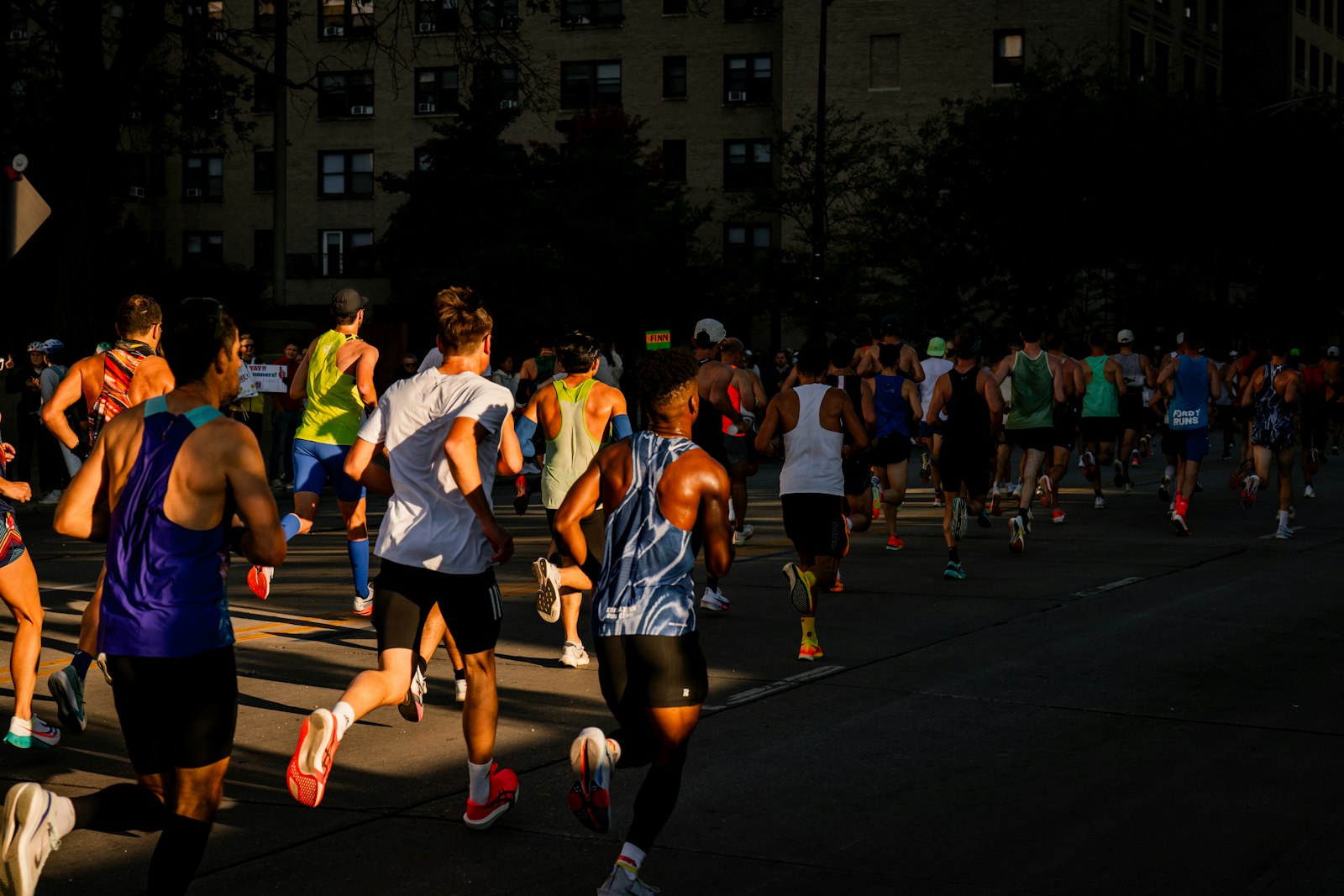
ASIACOMMERCE - Five years ago, a running store in Manila mostly served a small group of serious runners. Today, it serves office workers training for their first 5K, run clubs that meet three times a week, and families signing up for fun runs at the mall. That shift is why more specialty shops now import shoes from China for running stores, building ranges that fit everyday runners instead of only elite racers.
The demand is real. The challenge is getting the right shoes, in the right sizes, before race season peaks.
Quick answer: Running stores and sports retailers in the Philippines and Malaysia can import shoes from China for running stores, from daily trainers to race-day and trail models. What matters most is fit consistency across sizes, cushioning that holds up after many kilometres, and timing deliveries around the busiest race months.
How Big Has the Running Boom Become?
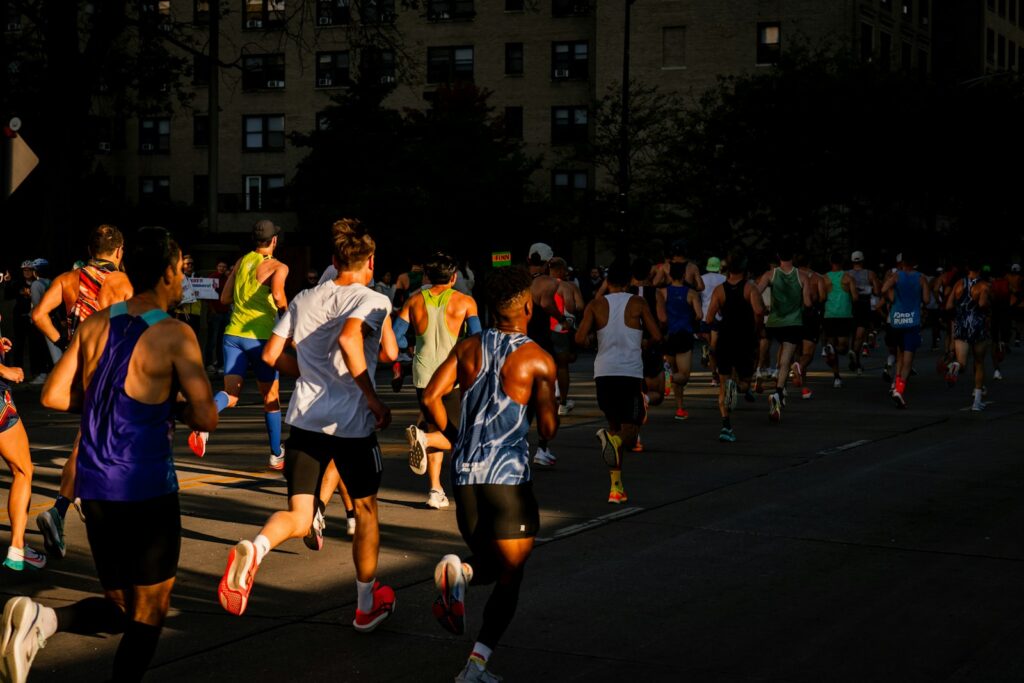
Big enough to close one of Manila's busiest roads.
The Galaxy Manila Marathon in June 2026 drew more than 25,000 participants, with a full marathon route running along EDSA, the Daily Tribune reported.
And that was only one weekend. Running events at one mall chain alone were expected to attract more than 100,000 runners nationwide in 2026, according to SM Supermalls in June 2026.
Every one of those runners needs shoes. Many need a second pair within months.
For store owners, that is a steady, repeat market. It is also why so many now import shoes from China for running stores instead of relying only on local distributors.
Which Models Sell When You Import Shoes from China for Running Stores?
| Runner type | What they look for | What to check in samples |
|---|---|---|
| New runners | Comfortable daily trainers | Cushioning and true-to-size fit |
| Run club regulars | Durable shoes for weekly mileage | Outsole wear and upper strength |
| Race-day runners | Lighter, faster shoes | Weight, grip, and stability |
| Trail runners | Grip and protection on rough ground | Lugs, toe guards, and water drainage |
Most stores start with daily trainers. After that, they add a race-day model and a trail option once they know their customers.
A small, focused range also makes it easier to import shoes from China for running stores without tying up cash in slow sizes.
Branded or Your Own Label: Which Route Fits?
Both have a place on the wall.
Famous Chinese sportswear names have become popular with Filipino and Malaysian runners. If you are curious which ones, our list of well-known Chinese shoe brands is a good starting point.
However, many independent stores also build an own-label line. For example, a store can offer a comfortable daily trainer under its own name, at a price point that suits beginners.
Our main guide on how to import shoes from China explains how brand distribution and own-label ranges work.
What Goes Wrong When You Import Shoes from China for Running Stores?
Running shoes are less forgiving than casual footwear.
First, sizing. A shoe that runs half a size small will come back, and runners talk to each other in their clubs.
Second, durability. Foam that flattens quickly or soles that peel after a few weeks hurt your reputation fast.
Third, timing. Race calendars are busy in the cooler months, so late stock means missed sales.
That is why, when you import shoes from China for running stores with us, our team checks size runs, materials, and finishing on samples. Then we check the bulk order again before loading.
Can a Store Sell More Than Shoes?
Yes, and the extras often sell faster.
Running socks, caps, belts, hydration vests, and compression sleeves sit naturally next to the shoe wall. As a result, a store can raise the average sale without adding much shelf space.
If your shop also serves gyms or fitness studios, our article on supplements for gyms covers another side of the same customer.
And online stores selling to runners can borrow ideas from our guide for shoe sellers online.
How AsiaCommerce Helps You Import Shoes from China for Running Stores
A running shoe order involves factories, size runs, samples, quality checks, labels, and careful packing.
AsiaCommerce, experienced in export and import since 2016, runs the procurement so you can focus on your runners.
Our team sources suitable factories, checks the goods, and coordinates official import in line with regulations.
Here is how it works:
- Send us the product link or your product requirements.
- Receive a full cost breakdown up to delivery, including shipping, duties, and import taxes.
- Make your payment.
- Our team purchases and checks the goods, then imports them officially in line with regulations.
- The goods arrive at your business address.
You can also learn more about our China sourcing solution and our quality inspections.
Stocking up for race season? Message our team
Running Store FAQs
Which running shoes sell best in a new store?
Comfortable daily trainers in common sizes usually sell first, followed by race-day and trail models.
Can I import shoes from China for running stores under my own brand?
Yes. Many factories make running shoes with your logo, colours, and packaging.
How do I avoid sizing problems?
Our team checks full size runs on samples and compares them with your size chart before the main order.
Do trail shoes need different checks?
Yes. Grip, toe protection, and water drainage need extra attention.
How are running shoes checked before shipping?
Our team checks sizes, materials, soles, stitching, and packing before loading.
AsiaCommerce is a China sourcing and procurement partner for businesses in the Philippines, Malaysia, and Indonesia.
AsiaCommerce: Cross-Border Supply Chain Enabler for Southeast Asia