
ASIACOMMERCE - Many businesses in Malaysia and the Philippines import shoes from China because factories there cover almost every style, material, and price level.
Sneakers, sandals, school shoes, and work shoes all sell steadily in retail stores and online.
However, the first real decision is not which factory to call.
It is what kind of footwear business you want to build.
Short answer: Yes, you can import shoes from China for your business in Malaysia or the Philippines.
First, decide whether you will distribute an existing Chinese brand or sell shoes under your own label, because each route needs different suppliers, documents, and quality checks.
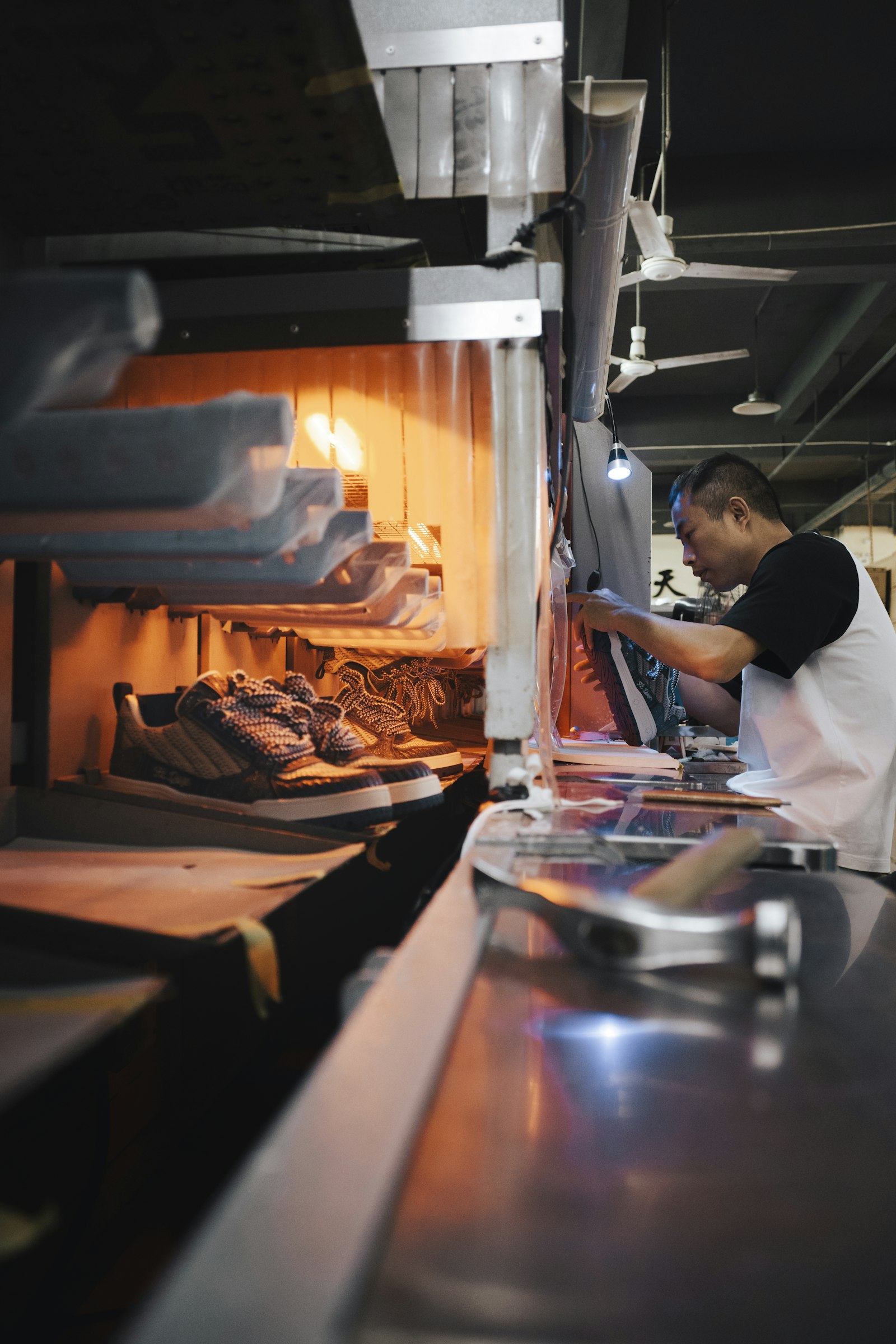
Why Do Businesses Import Shoes from China?
China remains one of the deepest footwear supply bases for businesses in the region.
For a retailer or distributor, that scale brings three practical advantages.
First, you can find factories for almost any category, from running shoes to safety footwear.
Second, many factories offer OEM production, so your brand name can appear on the shoe, box, and insole.
Third, an experienced shoe manufacturer in China can adjust sizes, materials, and packaging for your market.
Chinese sportswear brands are also expanding in the region.
Xtep, for example, opened a running flagship store at Mid Valley Megamall in Kuala Lumpur with a new local partner, Malay Mail reported in January 2026.
That shows how seriously Chinese footwear companies now treat Southeast Asian shoppers.
Should You Distribute a Chinese Brand or Build Your Own Label?
The answer shapes everything that follows.
Distributing an existing Chinese brand means you are building distribution for someone else's name.
You need authorised stock, a clear agreement, and a plan for local marketing and after-sales support.
Building your own label means you are building an asset your company owns.
In that case, the factory produces to your design, and your brand carries the customer relationship.
Both routes can work well.
Still, mixing them without a plan often creates confusion about pricing, stock, and responsibility.
Our guide to Chinese shoe brands covers the first route in more detail.
What Is the Biggest Risk When You Import Shoes from China?
The biggest risk is not price.
It is ending up with shoes that copy another company's trademark.
In August 2026, the Philippine Bureau of Customs seized suspected counterfeit footwear worth over P700 million in a Cavite raid, Manila Bulletin reported.
Malaysia also enforces trademark rules on fake branded goods under its Trademarks Act 2019.
As a result, a cheap offer for "branded" shoes can turn into seized stock and a damaged reputation.
That is why you should import shoes from China only through legitimate brand channels or under your own label.
How Do You Keep Quality Consistent Across Orders?
Footwear quality depends on many small details.
For example, sizing can drift between production batches, which leads to returns and missing sizes.
Glue, stitching, and sole materials also need to stay the same as the approved sample.
In addition, packaging and labels should match what your retail or online channel expects.
Checking all of this means sample reviews, pre-shipment inspections, and clear communication with the factory in Chinese.
That is why many brand owners leave the factory side to a procurement partner and focus on selling.
If size gaps are already a problem, our article on footwear size stockouts explains why they happen.
Which Market Should You Supply First?
Malaysia, the Philippines, and Indonesia each reward a slightly different footwear strategy.
Shopper preferences, price points, and sales channels differ from one country to the next.
Our comparison of footwear markets in Indonesia, Malaysia, and the Philippines can help you choose.
If Indonesia is part of your plan, read how businesses sell Chinese shoes in Indonesia without building everything alone.
When Should You Order Before Chinese New Year 2027?
Timing matters as much as product choice.
Chinese New Year falls on 6 February 2027, and many factories slow down or pause around the holiday.
Meanwhile, Ramadan and Hari Raya shopping in Malaysia follow soon after, and school-shoe demand also builds early in the year.
Therefore, if you import shoes from China for these seasons, orders confirmed in November and December decide whether stock arrives on time.
How AsiaCommerce Helps You Import Shoes from China
Bringing footwear into Malaysia or the Philippines properly involves many rules, documents, and parties.
If something is wrong, goods can be held, which costs you time and sales.
AsiaCommerce, experienced in export and import since 2016, runs the procurement so you can focus on your customers.
Our team helps you import shoes from China by sourcing suitable factories, checking the goods, and coordinating official import in line with regulations.
Here is how it works:
- Send us the product link or your product requirements.
- Receive a full cost breakdown up to delivery, including shipping, duties, and import taxes.
- Make your payment.
- Our team purchases and checks the goods, then imports them officially in line with regulations.
- The goods arrive at your business address.
You can also learn more about our China sourcing solution and our quality inspections.
Chat with Our Team on WhatsApp About Your Footwear Order
FAQ: Import Shoes from China
Can I import shoes from China under my own brand?
Yes, many businesses import shoes from China under their own brand through OEM production.
The factory makes the shoes to your specifications, and your brand appears on the product and packaging.
Is it safe to buy branded shoes from Chinese wholesalers?
Only when the stock comes from an authorised brand channel.
Unauthorised "branded" shoes can be counterfeit and may be seized in Malaysia or the Philippines.
What should I check before a large footwear order?
Check the approved sample, the size range, and the packaging against your channel's needs.
Our team can arrange a pre-shipment inspection before the goods leave China.
How early should I order for festive seasons?
For early-year seasons, confirm orders well before Chinese New Year.
Factories often slow down around the holiday, so late orders risk missing your selling window.
AsiaCommerce is a China sourcing and procurement partner for businesses in the Philippines, Malaysia, and Indonesia.
AsiaCommerce: Cross-Border Supply Chain Enabler for Southeast Asia