
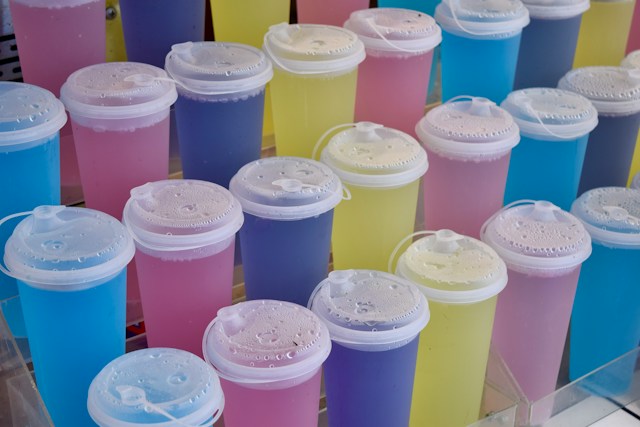
ASIACOMMERCE - Drink sellers, bazaar traders, and distributors in Malaysia often import beverages from China for Ramadan, when demand for cold drinks jumps every evening.
Syrups, jellies, nata de coco, and cups are the backbone of the famous air balang stalls.
However, Ramadan lasts only about a month.
If supplies arrive late or fail halal expectations, the season is gone.
Short answer: Yes, you can import beverages from China for Ramadan in Malaysia or the Philippines.
The key is choosing halal-ready syrups, toppings, and packaging with enough shelf life, then ordering early because Ramadan 2027 starts right after the Chinese factory holiday.

Why Do Sellers Import Beverages from China for Ramadan?
Ramadan bazaars are a huge seasonal market.
In Kuala Lumpur alone, authorities planned 37 Ramadan bazaar locations with about 3,500 lots for 2026, The Star reported.
Nationwide, KPDN expanded its Rahmah Ramadan Bazaar to 116 locations with about 3,000 traders in 2026, The Sun reported in February.
Interest shows up in search too, with about 4,400 monthly searches for "air balang" in Malaysia, based on Ubersuggest estimates checked in November 2026.
Meanwhile, Chinese factories make many of the syrups, toppings, and cups these stalls use every day.
For café supplies such as boba and tea, see our pillar on how to import beverages from China.
Which Drink Supplies Sell Fastest During Ramadan?
Most Ramadan drink orders fall into a few groups.
| Supply group | Examples | What usually matters most |
|---|---|---|
| Syrups and cordials | Rose, lychee, mango, and grape syrups | Halal status, taste, and sugar level |
| Toppings | Nata de coco, jelly cubes, basil seeds, popping boba | Texture, shelf life, and storage |
| Powders and tea | Milk tea powder, green tea, chocolate powder | Halal status and mixing quality |
| Packaging | Cups, sealing film, straws, carry bags | Food-grade materials and leak protection |
Because one factory rarely makes every item well, sellers who import beverages from China for Ramadan often combine several factories in one order.
Why Does Halal Matter Even More When You Import Beverages from China for Ramadan?
During Ramadan, almost every buyer at a bazaar expects halal assurance.
Therefore, syrups, toppings, and powders should carry halal certification from a body that JAKIM recognises.
A doubtful label can empty a stall faster than bad weather.
In addition, every product still needs proper labels with ingredients and dates.
Our guide to hamper food from China explains how halal and labels work for festive orders.
In the Philippines, halal demand is strongest in Mindanao and among Muslim communities in major cities.
How Do Heat and Volume Affect Your Drink Supplies?
Bazaar stalls work outdoors in hot weather, often for several hours before iftar.
For that reason, toppings and syrups need stable quality and clear storage guidance.
Volume also rises quickly, because popular stalls can sell a large number of cups each evening.
As a result, running out in the second week can cost the rest of the season.
Consistent taste matters too, since regular customers notice when a syrup changes.
So if you import beverages from China for Ramadan, plan enough stock for the full month, not just the first week.
When Should You Order Drink Supplies for Ramadan 2027?
Timing is unusually tight this season.
Chinese New Year falls on 6 February 2027, and Ramadan is expected to begin on 8 February, SAYS reported in October 2026.
Many Chinese factories slow down around their New Year holiday.
Therefore, if you import beverages from China for Ramadan, confirm stock for the whole month well before the break.
Late orders may still be in production when the first bazaar opens.
How AsiaCommerce Helps You Import Beverages from China for Ramadan
A Ramadan order involves several factories, halal documents, labels, packaging, and a fixed start date.
If one item arrives late, your stall opens without its best seller.
AsiaCommerce, experienced in export and import since 2016, runs the procurement so you can focus on your customers.
Our team helps you import beverages from China for Ramadan by sourcing suitable factories, checking the goods, and coordinating official import in line with regulations.
Here is how it works:
- Send us the product link or your product requirements.
- Receive a full cost breakdown up to delivery, including shipping, duties, and import taxes.
- Make your payment.
- Our team purchases and checks the goods, then imports them officially in line with regulations.
- The goods arrive at your business address.
You can also learn more about our import procurement solution and our quality inspections.
Chat with Our Team on WhatsApp About Your Ramadan Drink Supplies
FAQ: Import Beverages from China for Ramadan
Which drink supplies are popular at Ramadan bazaars?
Syrups, nata de coco, jelly cubes, basil seeds, and sealed cups are common choices.
The right mix depends on your menu and location.
Do syrups and toppings from China need halal certification?
For Muslim customers in Malaysia, halal certification from a body that JAKIM recognises is strongly expected.
Each product also needs proper labels.
When does Ramadan 2027 start in Malaysia?
Ramadan is expected to begin on 8 February 2027, subject to official confirmation.
Hari Raya Aidilfitri is expected on 10 March 2027.
Can I import beverages from China for Ramadan under my own brand?
Yes, some factories offer private label syrups and powders.
Your labels still need to meet local food rules.
Can I combine drink supplies and hamper items in one order?
Yes, many sellers combine items from several factories into one shipment.
Each item still needs its own checks and documents.
AsiaCommerce is a China sourcing and procurement partner for businesses in the Philippines, Malaysia, and Indonesia.
AsiaCommerce: Cross-Border Supply Chain Enabler for Southeast Asia