
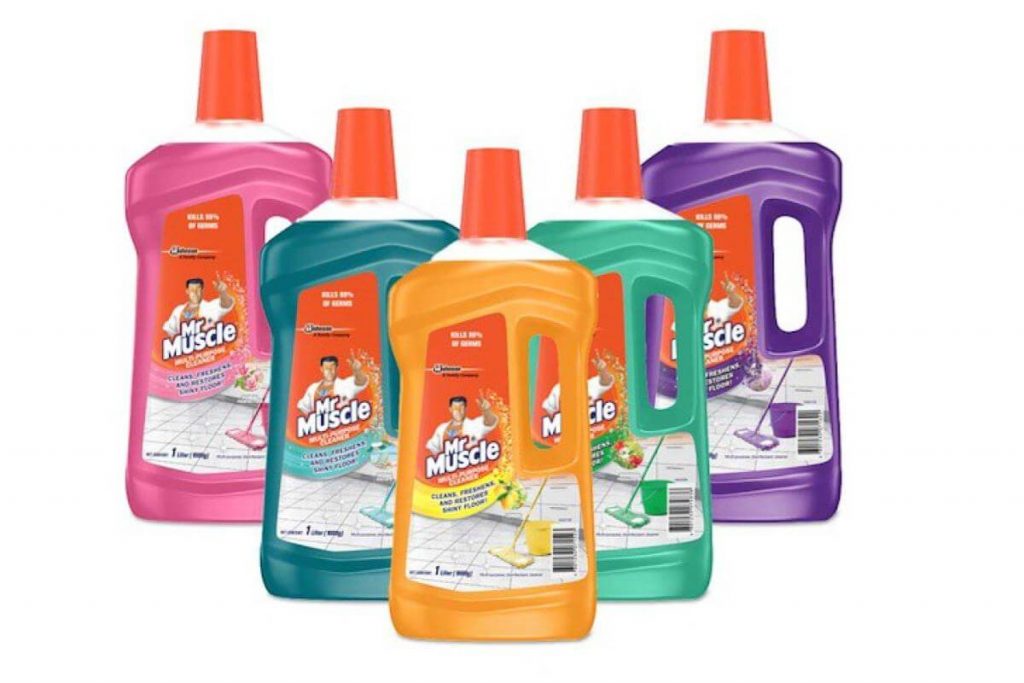
Written by the AsiaCommerce Market Entry Team — B2B cross-border procurement and distribution specialists operating under PT Exim Jaya Abadi and PT Kalimas Mitra Perkasa since 2016. Last updated: August 2026.
ASIACOMMERCE - Household cleaning products in Malaysia do not require product registration before they can be sold.
That single fact leads many foreign brands to assume the category is largely unregulated.
In reality, the chemical formulation, labeling, and reporting obligations behind these products are enforced tightly.
2026 has brought several regulatory updates that raise the compliance bar further for anyone producing or importing this category.
Our team tracks these requirements closely for cleaning product brands entering the Malaysian market.
Why "No Registration Required" Is Misleading
General consumer cleaning products like detergents and floor cleaners are classified as ordinary consumer goods in Malaysia.
This means no product license or market authorization is required simply to sell them.
What is required, and enforced separately, is compliance with chemical safety and labeling regulations under Malaysia's hazardous chemical framework.
Brands treating "no registration" as "no compliance needed" are missing a significant part of the actual requirement.
The formulation and labeling obligations apply regardless of whether the product itself needs formal registration.
(ALSO READ: Indonesia’s Middle Class Is Shrinking — What That Means for Furniture Brands Entering Now)The Chemical Reporting Deadline Brands Need to Know
Malaysia's Department of Occupational Safety and Health now requires mandatory hazardous chemical inventory reporting for producers and importers handling one metric ton or more annually.
This reporting must be submitted electronically through the Chemical Information Management System, known as MyEHS, by March 31 each year for the prior calendar year's data.
Required data includes chemical identity, GHS classification, safety data sheets, and total annual quantity handled.
Malaysia's Department of Environment has also moved its environmentally hazardous substance registration fully onto the MyEHS platform.
A draft regulation currently under review would tighten oversight of household and industrial chemicals classified as environmentally hazardous.
Penalties for non-compliance under this draft framework have been raised significantly, reaching up to 100,000 ringgit or imprisonment.
Labeling, SDS, and Disinfectant Claims
Product labels and safety data sheets must be presented in both Bahasa Malaysia and English under existing CLASS regulations.
Labels must follow the GHS format, including hazard pictograms, signal words, and hazard statements where applicable.
Safety data sheets must also list a local, 24-hour emergency contact number with the Malaysian country code.
(ALSO READ: Sourcing Household Appliances from China: Safety Standards Every Buyer Should Know)Enforcement of these existing labeling rules has tightened noticeably under recent occupational safety amendments.
Any cleaning product marketed with a disinfectant claim faces an additional layer of scrutiny, since active ingredients must appear on a recognized approved list.
Recognized references include Malaysia's national pharmaceutical regulatory body, alongside internationally recognized authorities.
What Foreign Brands Should Do Before Entering
Brands producing powder detergents should confirm their formulation meets Malaysia's specific national standard for that product type.
Chemical inventory should be audited early, since crossing the one-ton threshold triggers mandatory DOSH reporting before the March deadline.
Brands should also monitor Malaysia's extended producer responsibility scheme for packaging, currently voluntary but scheduled to become mandatory later this decade.
Preparing bilingual labeling and complete safety data sheets before shipment avoids delays at the compliance review stage.
None of these steps require product registration, but skipping them creates real regulatory exposure once a brand is operating in-market.
How AsiaCommerce Supports Cleaning Product Entry Into Malaysia
Chemical compliance for cleaning products requires attention most foreign brands do not expect from a "no registration" category.
AsiaCommerce manages this compliance layer directly for client brands entering Malaysia, from labeling formatting to chemical inventory reporting coordination.
(ALSO READ: Cara Import Cleaning Product dari China Tanpa Kena Barang Lartas)As a cross-border operator working in Malaysian market entry and compliance since 2016, our team keeps pace with regulatory changes like the 2026 MyEHS transition on behalf of clients.
That means brands do not need to track DOSH deadlines or draft environmental regulations independently while focused on launching their product.
If cleaning product entry into Malaysia has looked simpler than it actually is, the chemical compliance layer is usually where that gap shows up.
📲 Consult your Malaysia market entry strategy now via WhatsApp: +62 877-7704-7097 (*)
AsiaCommerce: Cross-Border Supply Chain Enabler for Southeast Asia
0 Comments