
Written by the AsiaCommerce Sourcing Team — B2B cross-border procurement specialists operating under PT Exim Jaya Abadi and PT Kalimas Mitra Perkasa since 2016. Last updated: August 2026.
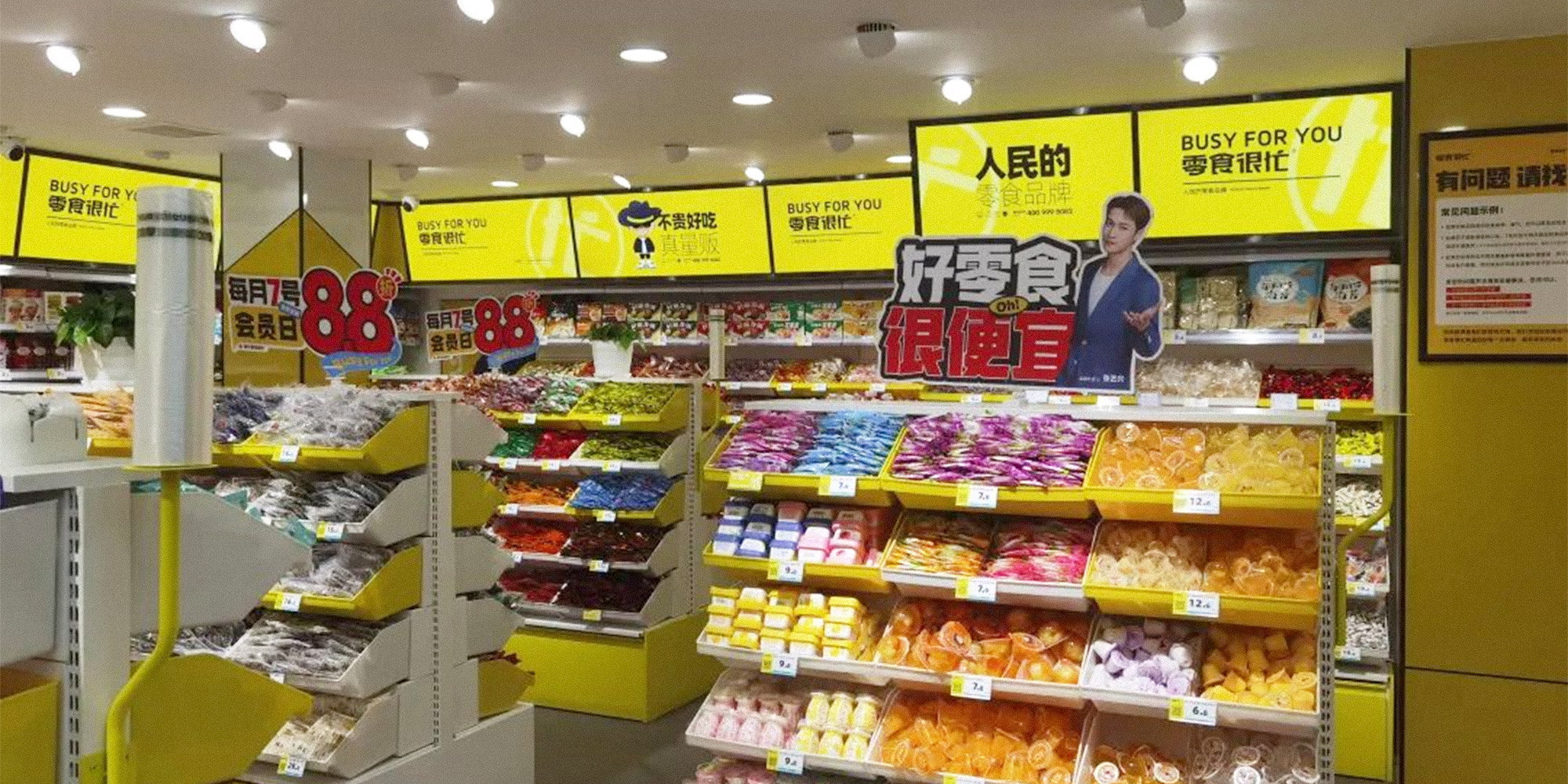
ASIACOMMERCE - Packaged snacks are one of the most commonly sourced product categories from China.
The manufacturing base is enormous, ranging from private-label seaweed crisps to branded instant noodles.
That scale is also where the risk sits, since food products carry compliance requirements most other categories do not.
A defective batch of electronics is a costly problem, but a non-compliant food product can be a legal one.
Our team has sourced packaged snacks and F&B products from China for client brands since 2016.
Why Food Products Require a Different Sourcing Approach
Sourcing a snack product is not the same process as sourcing apparel or accessories.
Every food product entering a new country needs to meet that country's specific food safety standards before it can legally be sold.
Indonesia requires BPOM registration for most packaged food and beverage products before distribution.
(ALSO READ: How Foreign Brands Successfully Launch on Southeast Asian Marketplaces Without a Local Team)Products marketed toward Muslim consumers, which make up the majority of Indonesia's population, often also need Halal certification.
Malaysia and the Philippines apply their own separate food safety and labeling frameworks, distinct from Indonesia's requirements.
A snack product cleared for sale in one Southeast Asian market is not automatically cleared for another.
Buyers who source without understanding this upfront often discover the gap only when a shipment is held at customs.
What to Verify Before Placing an Order
Factory food safety certification is the first checkpoint worth confirming before any order is placed.
Certifications like HACCP or ISO 22000 indicate a factory has structured food safety controls in place.
A factory without recognized certification is not automatically unsafe, but it does require closer, more hands-on verification.
Ingredient sourcing transparency matters as much as the finished product itself.
Buyers should request a full ingredient list along with documentation on where key ingredients are sourced from.
This becomes especially important for products containing allergens, since labeling accuracy is a common compliance failure point.
(ALSO READ: From Factory to Shelf: What Actually Happens Behind a Successful Cross-Border Product Launch)Shelf life and packaging integrity also need verification specific to the shipping route and destination climate.
A snack packaged for a temperate market may not hold up during a longer, more humid shipping route into Southeast Asia.
Labeling and Documentation That Actually Matters
Product labeling requirements differ significantly by destination country, and generic English labeling rarely satisfies them.
Indonesia typically requires Bahasa Indonesia labeling with specific nutritional information formatting.
Expiration date formatting, batch numbers, and manufacturer information all need to match local regulatory expectations.
A product with a defect in labeling alone can be held at customs, even when the product itself meets every safety standard.
Export documentation, including certificates of analysis and health certificates, needs to be arranged before the shipment leaves China.
Missing or incomplete documentation is one of the most common and most avoidable causes of delay for food shipments.
How AsiaCommerce Manages Food Sourcing for Clients
Sourcing packaged snacks and other F&B products is one of the categories our team manages most frequently for clients.
As a cross-border procurement operator working directly with manufacturers in China since 2016, we verify factory certifications, ingredient sourcing, and packaging before any client order is confirmed.
That includes coordinating BPOM and Halal certification requirements for Indonesia, alongside the separate frameworks required in Malaysia and the Philippines.
Buyers working with us do not need to research each market's food regulations independently before sourcing a single product.
If your F&B sourcing has hit delays around certification or labeling, that friction is usually solvable earlier in the process than most buyers expect.
📲 Consult your F&B sourcing strategy now via WhatsApp: +62 877-7704-7097 (*)
AsiaCommerce: Cross-Border Supply Chain Enabler for Southeast Asia
0 Comments