
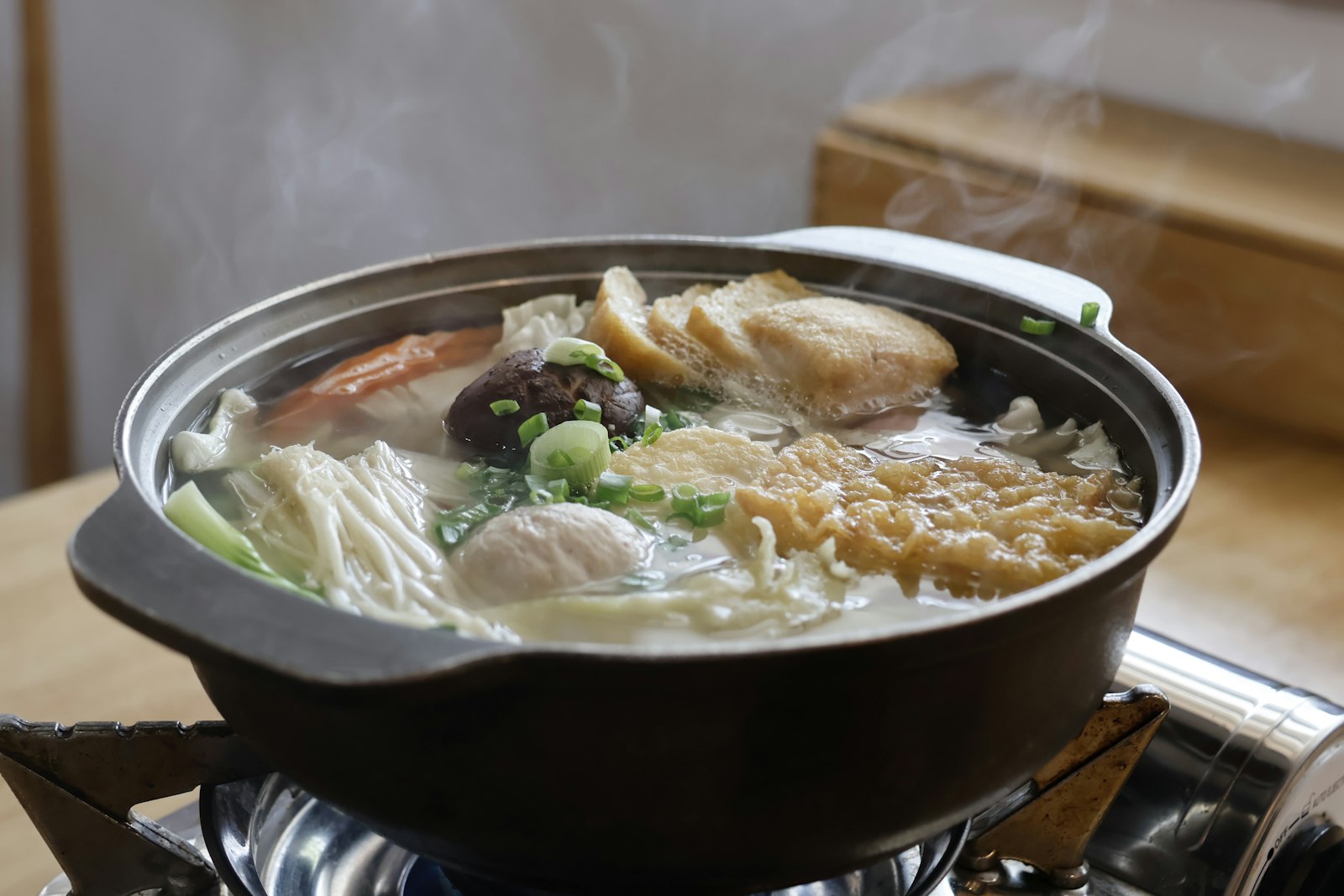
ASIACOMMERCE - Walk into a busy mall in Kuala Lumpur or Manila on a rainy evening, and the longest queue is often outside a hotpot restaurant. Bubbling broth, rows of dipping sauces, and plates of noodles have turned a family meal into a full night out. For restaurant owners and food distributors, that demand is why many now import food from China for hotpot, because the soup bases, sauces, and noodles that diners expect come from Chinese kitchens.
Steamboat season is also coming. Chinese New Year 2027 falls on 6 February, and reunion dinners around a shared pot are a tradition for many families.
In a few words: Hotpot and steamboat restaurants, frozen food distributors, and Asian grocers in Malaysia and the Philippines can import food from China for hotpot, from soup bases and dipping sauces to noodles, tofu skin, and konjac. The products that work are authentic in taste, clearly labelled, halal-ready where needed, and timed to arrive before the Chinese New Year rush.
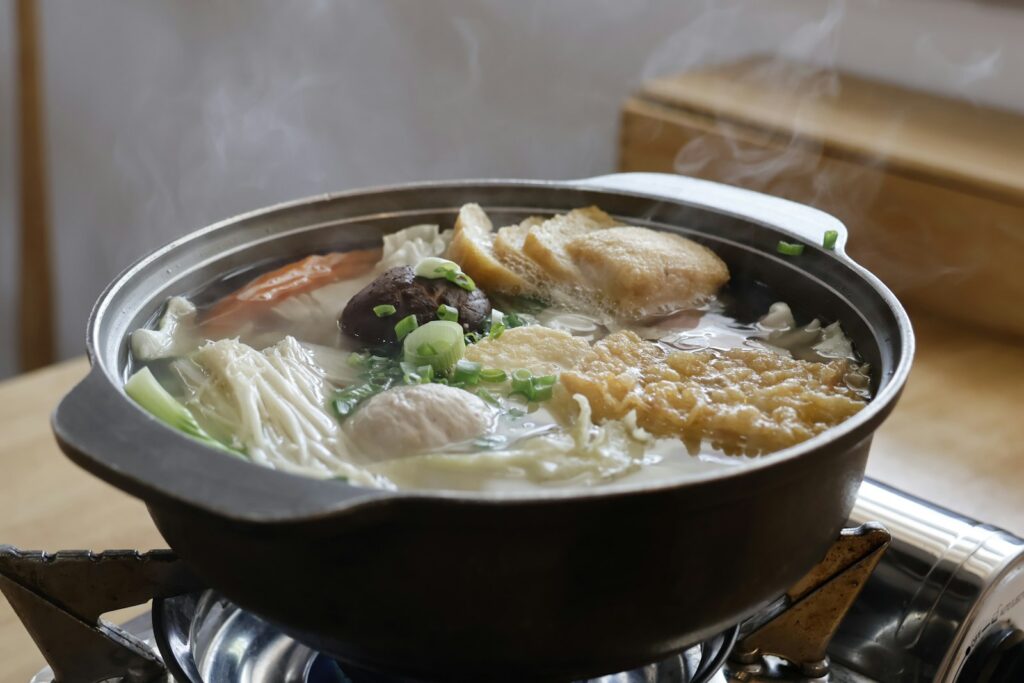
Why Is Hotpot So Popular Right Now?
Because it is a meal people share, not just eat.
In January 2026, The Sun reported that hotpot chains had expanded across the Klang Valley, with a growing presence in Penang, Johor Bahru, Sabah, and Sarawak. Halal hotpot outlets are also serving more Muslim diners.
Tastes are getting bolder too. Mala seasoning, chilli oil, and Sichuan pepper oil are entering the Malaysian market, Malay Mail reported in February 2026.
The same report quoted the Malaysia Chinese Restaurant Association, which said more than 90% of Chinese restaurants in Malaysia serve authentic offerings that appeal to Muslim and non-Muslim diners.
As a result, restaurants that import food from China for hotpot can match the flavours their guests already know.
What Do Restaurants Import Food from China for Hotpot?
| Product group | Examples | Why it matters |
|---|---|---|
| Soup bases | Mala, tomato, mushroom, and herbal broths | The broth defines the whole meal |
| Dipping sauces | Sesame paste, chilli oil, and sauce mixes | Guests build their own flavour |
| Noodles and starches | Glass noodles, potato noodles, rice cakes | Easy to store and quick to cook |
| Soy and konjac items | Tofu skin, dried bean curd, konjac knots | Popular add-ons for every pot |
Most restaurants start with soup bases and sauces. After that, they add noodles and dried items as the menu grows.
Which Rules Apply When You Import Food from China for Hotpot?
Food rules apply to every packet, whether it ends up in a restaurant kitchen or on a grocery shelf.
In Malaysia, imported food must meet the Food Act 1983 and the Food Regulations 1985, including labelling. For halal outlets, halal certification recognised by JAKIM is usually expected.
In the Philippines, packaged food generally needs FDA registration before it is sold, based on regulations at the time of writing.
That is why, before you import food from China for hotpot with us, our team reviews ingredient lists, labels, and factory documents early.
For the wider picture on halal-ready sourcing and labels, see our main guide on how to import food from China.
When Should Hotpot Restaurants Place Their Orders?
Earlier than most people expect.
For one thing, steamboat demand peaks in the weeks before Chinese New Year. In addition, factories in China slow down before their own Spring Festival holiday.
Then production, checks, shipping, and customs all add time. As a result, orders placed in January often arrive too late for the reunion dinner rush.
In practice, restaurants that import food from China for hotpot lock in flavours and samples first, then book production slots.
Our team plans each step backwards from your busiest week. That way, your soup bases and sauces land while diners are still booking tables.
What Else Fits a Hotpot and Festive Menu?
Usually, drinks and snacks.
Many hotpot restaurants pair spicy broths with chilled tea. Our guide to Chinese New Year tea and drinks covers that side.
For a full kitchen view, see how restaurants source ingredients from China. And if you also run a retail corner, our article on Chinese snacks for snack shops is a useful next read.
How AsiaCommerce Helps You Import Food from China for Hotpot
A hotpot order involves food factories, labels, halal documents, careful packing, and tight festive timing.
AsiaCommerce, experienced in export and import since 2016, runs the procurement so you can focus on your dining room.
Our team sources suitable factories, checks the goods and documents, and coordinates official import in line with regulations.
Here is how it works:
- Send us the product link or your product requirements.
- Receive a full cost breakdown up to delivery, including shipping, duties, and import taxes.
- Make your payment.
- Our team purchases and checks the goods, then imports them officially in line with regulations.
- The goods arrive at your business address.
You can also learn more about our import procurement solution and our quality inspections.
Stocking up for steamboat season? WhatsApp us
Hotpot Supply Questions
What hotpot ingredients come from China?
Soup bases, dipping sauces, glass noodles, tofu skin, and konjac are common choices.
Can halal restaurants import food from China for hotpot?
Yes. Many factories in China make halal-certified soup bases and sauces.
When is the steamboat peak in Malaysia?
Demand usually peaks before Chinese New Year, which falls on 6 February 2027.
Do hotpot soup bases need labels in Malaysia?
Yes. Imported food must follow Malaysian labelling rules, including Malay-language text.
How are hotpot ingredients checked before shipping?
Our team checks samples, seals, expiry dates, labels, and packing before loading.
AsiaCommerce is a China sourcing and procurement partner for businesses in the Philippines, Malaysia, and Indonesia.
AsiaCommerce: Cross-Border Supply Chain Enabler for Southeast Asia