
ASIACOMMERCE - Many businesses in Malaysia and the Philippines import bags from China to stock their stores, marketplaces, and corporate orders.
Handbags, backpacks, tote bags, and travel bags move fast in retail, so a steady supply matters.
Yet choosing the wrong factory can leave you with weak stitching, late deliveries, or goods that cannot be sold legally.
That is why the factory you choose matters as much as the design you want.
Short answer: Yes, you can import bags from China for your business in Malaysia or the Philippines.
The key is a bag manufacturer that makes your own design, keeps quality consistent, and supplies properly labelled goods instead of brand copies.
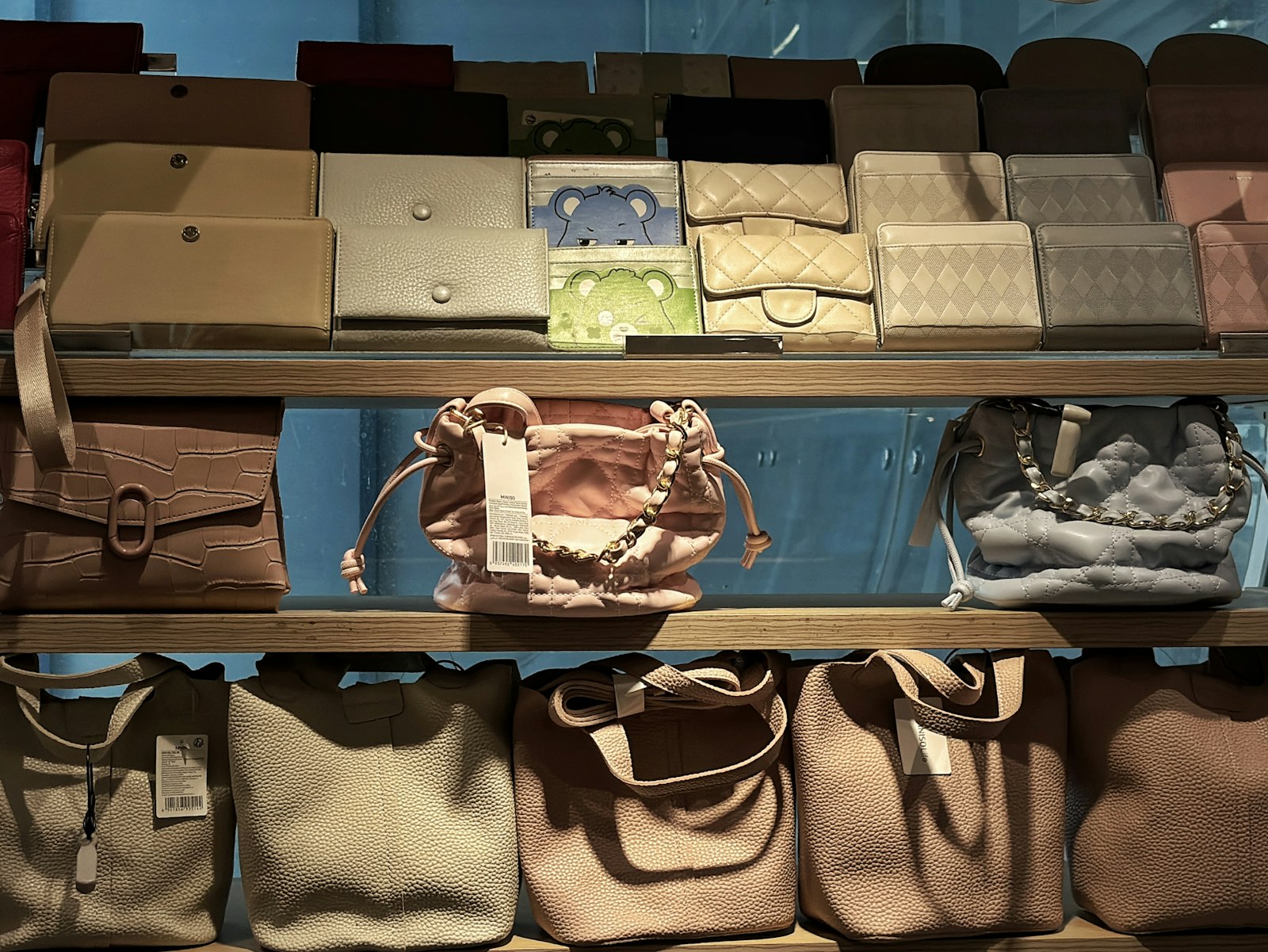
Why Do Businesses Import Bags from China?
China remains the largest trading partner for Southeast Asia.
In fact, China-ASEAN trade passed the US$1 trillion mark for the first time in 2025, according to Business Today.
The same report noted that trade from January to July 2026 grew 24.7% year on year.
For retailers and brand owners who import bags from China, that trade depth brings three clear advantages.
First, you can find almost any style, from leather handbags to school backpacks and laptop bags.
Second, many factories accept custom designs, so your bags do not look like everyone else's.
Third, a capable bag manufacturer in China can scale production when your sales grow.
Still, variety alone does not build a business.
What builds a business is a reliable product that customers trust and buy again.
What Kinds of Bags Can a Bag Manufacturer in China Make?
Chinese factories usually specialise, so one factory rarely makes every type of bag well.
The table below shows the main groups and what buyers usually ask for, without cost figures.
| Bag type | Typical buyers | What usually matters most |
|---|---|---|
| Handbags and shoulder bags | Fashion retailers and online shops | Material feel, hardware, and stitching |
| Backpacks and school bags | Retail chains and stationery stores | Strength, zips, and seasonal timing |
| Tote and eco bags | Supermarkets and corporate gift buyers | Printing quality and fabric weight |
| Travel and laptop bags | Distributors and specialty stores | Padding, frames, and durability |
Because each group needs different machines and skills, matching the right factory to your product is the first real decision.
Why Does Your Own Brand Matter When You Import Bags from China?
Selling generic bags often turns into a price war on marketplaces.
On the other hand, bags under your own brand give customers a reason to choose you.
Many businesses that import bags from China choose OEM production, where the factory makes your design with your logo and packaging.
As a result, you control the look, the label, and the story behind the product.
This approach also suits garment brands that want matching bags for a fuller collection.
However, OEM work needs clear specifications, sample approval, and consistent materials across every order.
Without that control, the second batch can look different from the first.
What Risks Come with Replica and Unlabelled Bags?
Replica bags may look like an easy profit, but they create serious problems.
In the Philippines, apparel and bags were the most infringed goods in 2025, the Intellectual Property Office reported, according to Manila Bulletin.
Authorities seized about ₱29.54 billion in counterfeit goods that year.
In March 2026, police and trade officials seized about ₱25 million in imitation handbags in Binondo, Manila Bulletin reported.
Those bags were also sold without the required labels under the Consumer Act.
Malaysia's Domestic Trade Ministry has also seized fake branded handbags in past raids.
So when you import bags from China, original designs and proper labelling protect both your stock and your reputation.
How Does Quality Shape Your Choice of Bag Supplier?
Customers judge a bag within seconds, by its zip, handle, and stitching.
For that reason, when you import bags from China, the supplier must hold the same quality from the sample to the final carton.
Materials should match the approved sample, especially leather, PU, and canvas.
Hardware such as buckles and zips should work smoothly and resist rust.
Packaging should also protect the shape of each bag during the long trip.
Checking all this from a distance is hard, especially if you do not speak Mandarin or visit factories often.
That is why many retailers prefer a partner who checks the goods before they leave China.
Our article on sourcing fashion inventory from Guangzhou for the Philippine market shows how this works for wider fashion stock.
How AsiaCommerce Helps You Import Bags from China
Bringing bags into Malaysia or the Philippines properly involves factories, documents, labels, and shipping partners.
If one part goes wrong, goods can be delayed and your selling season can pass.
AsiaCommerce, experienced in export and import since 2016, runs the procurement so you can focus on selling.
Our team helps you import bags from China by finding suitable factories, checking the goods, and coordinating official import in line with regulations.
Here is how it works:
- Send us the product link or your product requirements.
- Receive a full cost breakdown up to delivery, including shipping, duties, and import taxes.
- Make your payment.
- Our team purchases and checks the goods, then imports them officially in line with regulations.
- The goods arrive at your business address.
You can also learn more about our China sourcing solution and our quality inspections.
Chat with Our Team on WhatsApp About Your Bag Order
FAQ: Import Bags from China
Can I import bags from China under my own brand?
Yes, many businesses import bags from China with their own logo, labels, and packaging.
Clear specifications and an approved sample help keep every batch consistent.
Is it legal to sell replica designer bags?
No, selling copies of registered brands breaks intellectual property laws in Malaysia and the Philippines.
Authorities in both countries regularly seize fake bags, so original designs are the safer path.
What is the difference between a bag manufacturer and a bag supplier?
A manufacturer produces the bags in its own factory.
A supplier or trading company may source from several factories, which can suit mixed orders.
Do bags need special certification in Malaysia or the Philippines?
Most ordinary bags do not need product certification, but they still need proper labels and original designs.
Requirements can change, so each order should follow regulations at the time of import.
What is the usual minimum order for custom bags?
It depends on the factory, the material, and the level of customisation.
Our team can discuss your plan and share the options that fit your order.
AsiaCommerce is a China sourcing and procurement partner for businesses in the Philippines, Malaysia, and Indonesia.
AsiaCommerce: Cross-Border Supply Chain Enabler for Southeast Asia