
Written by the AsiaCommerce Sourcing Team — B2B cross-border procurement specialists operating under PT Exim Jaya Abadi and PT Kalimas Mitra Perkasa since 2016. Last updated: August 2026.
ASIACOMMERCE - Furniture sourcing looks straightforward until the container loading stage.
A product approved on sample, negotiated on price, and manufactured on schedule can still lose money right before it ships.
Container loading mistakes are one of the most overlooked cost drivers in furniture sourcing.
Beyond loading, 2026 has also brought a wave of formaldehyde emission rules that furniture buyers now need to track closely.
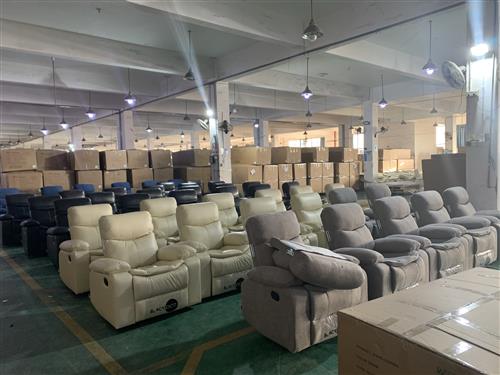
Our team manages both sides of this process for client furniture orders sourced from China.
Where Container Loading Mistakes Actually Happen
Furniture is bulky and irregularly shaped, which makes container space planning far less forgiving than for smaller product categories.
A factory optimizing for its own convenience may not load a container with the buyer's freight cost in mind.
Poor stacking sequence wastes usable space, sometimes forcing a buyer into an extra container that was never necessary.
Flat-pack or knock-down furniture designs load significantly more efficiently than fully assembled pieces, cutting freight cost per unit substantially.
(ALSO READ: From Guangzhou to Manila: Sourcing Fashion Inventory for the Philippine Market)Buyers who do not request flat-pack options where feasible often pay for shipping air rather than product.
Inadequate corner protection and packaging is another common issue, leading to damaged edges or scratched finishes discovered only after arrival.
A damaged shipment at this stage is expensive to correct, since return freight for furniture is rarely practical.
Why Formaldehyde Emission Rules Now Matter More Than Ever
Formaldehyde emission limits on wood composite furniture have tightened sharply across major markets in 2026.
The European Union cut its allowable limit roughly in half, down to 0.062 mg/m³, effective August 2026, well below the older E1 standard.
The United States updated its CARB Phase 2 and EPA TSCA testing methods early in the year to align more closely with international standards.
China's own domestic standard already includes a stricter ENF class at 0.025 mg/m³, among the tightest thresholds globally.
(ALSO READ: Sourcing Safe, Certified Baby Products from China: A Buyer’s Checklist)Indonesia's national standards body has been updating composite wood testing methods to keep local furniture manufacturers competitive in export markets facing these tighter limits.
A furniture product manufactured against outdated standards can be legally blocked from sale in markets like the European Union, regardless of how it was made previously.
Buyers sourcing furniture for export or for markets with strict standards need to confirm current formaldehyde compliance before committing to a factory, not after production begins.
What This Means for How Buyers Should Source
Reformulated, low-emission adhesives cost more to produce, and that cost has been passing through to raw board pricing across the industry this year.
Buyers should expect this shift to affect quotes rather than assume older pricing still applies uniformly across suppliers.
Third-party certification from internationally recognized testing bodies is increasingly required to sell into stricter markets like the EU and US.
A factory without current, verifiable formaldehyde test results is a meaningfully higher-risk supplier for buyers targeting those markets.
Combining loading efficiency planning with formaldehyde compliance verification at the same sourcing stage avoids discovering either problem after production is complete.
How AsiaCommerce Manages Furniture Sourcing for Clients
Container loading efficiency and compliance verification are both standard parts of how our team sources furniture for clients.
As a cross-border procurement operator working directly with furniture manufacturers in China since 2016, we review loading plans and current emission certification before any client order is finalized.
That includes confirming which markets a supplier's current formaldehyde compliance actually covers, since standards now vary meaningfully by destination.
For current freight costs and container rates, which shift often, our Business Development team can walk through live pricing directly rather than relying on figures that go stale quickly.
(ALSO READ: Cara Import Cleaning Product dari China Tanpa Kena Barang Lartas)If furniture sourcing has felt more expensive than it should be, loading efficiency and compliance are usually where the savings are hiding.
📲 Consult your furniture sourcing strategy now via WhatsApp: +62 877-7704-7097 (*)
AsiaCommerce: Cross-Border Supply Chain Enabler for Southeast Asia
0 Comments