
If you’ve ever stood in a grocery aisle wondering what actually goes into a dairy-free cheese alternative, you’re not alone. As more people reduce or remove dairy from their diets—whether for health, ethics, or lifestyle reasons—plant-based cheese options have exploded in popularity. But not all alternatives are created equal, and ingredients matter more than most people realize.
A dairy-free cheese alternative is designed to replicate the savory, creamy, and umami-rich experience of cheese—without milk, lactose, or casein. Instead of relying on animal dairy, these products are made from plant-based ingredients that mimic cheese’s flavor and texture in different ways.
Understanding what a dairy-free cheese is made of helps you make smarter choices, especially if you care about clean ingredients, digestion, or long-term health.
Also read: Ever Heard of Fruit Coffee? A Fresh Take on Bitter Brews
What Makes Cheese Dairy-Free?
At its core, cheese becomes dairy-free when all animal-derived milk components are removed from the process. That means no cow’s milk, goat’s milk, whey, lactose, or casein proteins.
A dairy-free cheese alternative relies entirely on plant-based ingredients to replace three key elements found in traditional cheese: fat, protein, and flavor. These elements are recreated using nuts, seeds, oils, fermentation, and natural seasonings.
Unlike traditional cheese, which is produced through milk fermentation and aging, dairy-free cheese alternatives are often formulated using blending, soaking, culturing, or light fermentation. The goal isn’t to imitate cheese perfectly—but to deliver a familiar taste experience without dairy-related drawbacks like lactose intolerance or dairy sensitivity.
Also read: Dried Anchovy: Ideas on How to Use It in Everyday Cooking
Common Ingredients Used in Dairy-Free Cheese Alternatives
Most dairy-free cheese products use a combination of plant-based components. Each ingredient plays a specific role in texture, taste, and functionality.
1. Nuts and Seeds as the Base
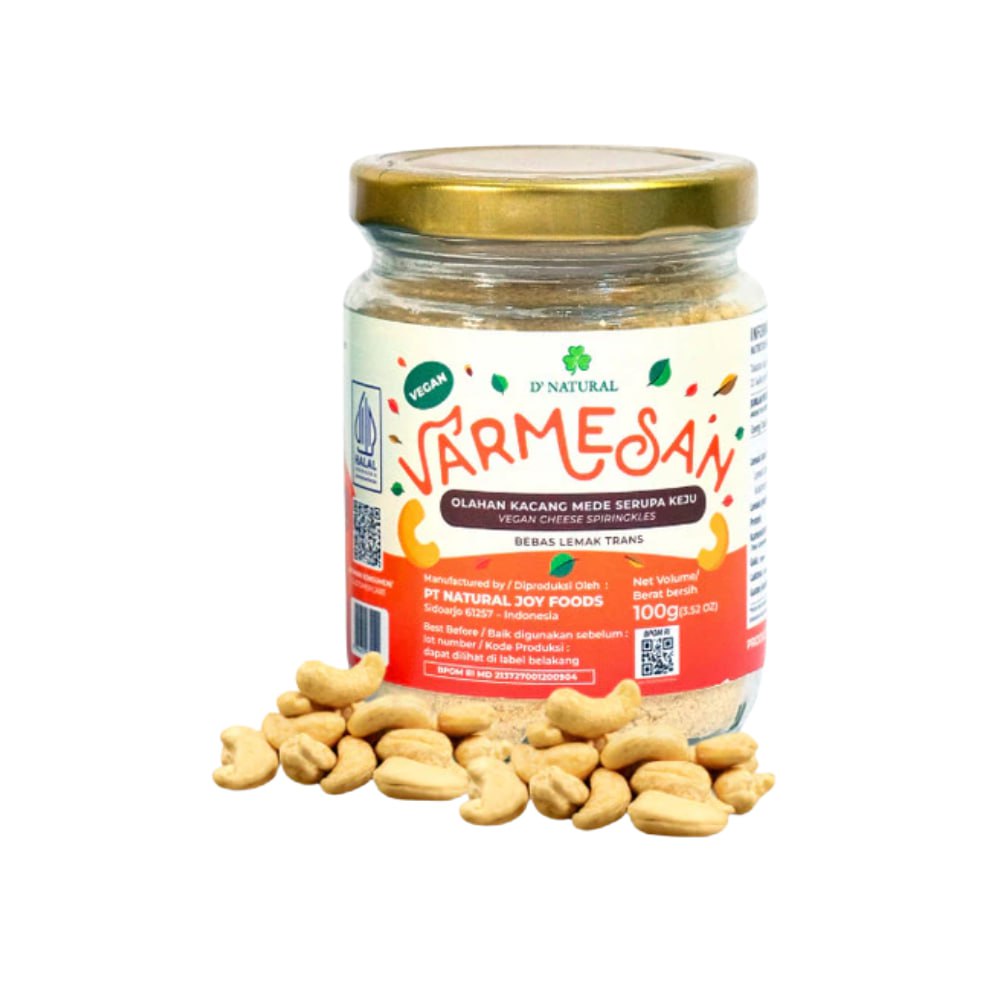
Nuts and seeds are among the most common ingredients in dairy-free cheese alternatives, particularly in higher-quality products. Cashews, almonds, and sunflower seeds are frequently used because of their natural fat content and mild flavor.
Cashews are especially popular since they blend smoothly and create a creamy mouthfeel similar to grated or soft cheeses. Seeds like sunflowers offer a nut-free option while still delivering richness. These bases are often soaked and blended, allowing fats to emulsify naturally without heavy processing.
From a nutritional standpoint, nut- and seed-based dairy-free cheese alternative products tend to provide plant-based protein, fiber, and minerals, making them more than just flavor enhancers.
2. Nutritional Yeast for Cheesy Umami Flavor
One of the most important ingredients in a dairy-free cheese alternative is nutritional yeast. This inactive yeast delivers a naturally savory, umami flavor that closely resembles cheese.
Nutritional yeast is widely used because it’s naturally dairy-free, vegan, and nutrient-dense. It contains B vitamins, trace minerals, and antioxidants. Flavor-wise, it provides that “cheesy” depth people often miss when giving up dairy.
Instead of artificial flavoring, nutritional yeast allows a dairy-free cheese to taste rich and satisfying while keeping the ingredient list clean and recognizable.
3. Plant-Based Oils and Fats
Fats are essential for mouthfeel, which is why many dairy-free cheese alternative products include plant-based oils. Coconut oil, sunflower oil, or canola oil are commonly used to add richness and help the product melt or coat food evenly.
While oils help replicate cheese’s texture, balance is important. Over-reliance on refined oils can lead to overly processed products with low nutritional value. That’s why higher-quality dairy-free cheese alternative options tend to use oils sparingly and combine them with whole-food bases like nuts or seeds.
When used properly, plant-based fats enhance flavor without overwhelming the product.
4. Starches and Thickeners
Starches and thickeners play a functional role in many dairy-free cheese alternative products. Ingredients like tapioca starch, potato starch, or cornstarch help bind components together and improve consistency.
In sliceable or meltable alternatives, starches are often necessary to achieve elasticity. However, products that rely too heavily on starch may sacrifice nutritional value for texture.
A well-formulated dairy-free cheese alternative uses starches strategically rather than as the main ingredient, keeping the focus on real, whole foods.
5. Salt, Fermentation, and Natural Seasonings
Salt is essential in any dairy-free cheese alternative, not just for flavor but also for balance. Natural seasonings like garlic, onion, herbs, or spices may be added to enhance complexity.
Some dairy-free cheeses also incorporate light fermentation. Fermentation helps develop deeper flavors and mimics the tang associated with traditional cheese. This process can improve digestibility and add subtle acidity without dairy.
When fermentation and seasoning are done thoughtfully, a dairy-free cheese alternative tastes layered and satisfying rather than flat or artificial.
Also read: Why These 8 Malaysian Durian Varieties Deserve a Spot on Your Import List
Are All Dairy-Free Cheese Alternatives Made the Same Way?

Not at all. While the category may look similar on the shelf, dairy-free cheese alternative products vary widely in how they’re made.
Some are heavily processed, relying on refined oils, starches, and additives to achieve a cheese-like texture. Others focus on minimal processing, whole ingredients, and natural flavor development.
Understanding these differences matters because the processing level affects not just taste, but also nutritional value. A cleaner dairy-free cheese typically has a shorter ingredient list, recognizable components, and fewer additives.
Also read: 5 Winning Strategies to Boost Your Indonesian Cinnamon Exports
Why Ingredient Quality Matters in a Dairy-Free Cheese Alternative
Ingredient quality directly impacts how a dairy-free cheese fits into your lifestyle. If you’re choosing dairy-free for digestion, clean eating, or long-term wellness, ultra-processed options may not align with your goals.
High-quality ingredients support better digestion, more stable energy, and a flavor profile that feels natural rather than artificial. When whole foods are prioritized, a dairy-free cheese becomes something you can enjoy regularly—not just occasionally.
Paying attention to ingredient sourcing and processing also helps avoid unnecessary fillers and additives that don’t add real value.
Also read: 6 Vietnamese Pomelo for Global Import with Proven Market Appeal
How People Use Dairy-Free Cheese in Everyday Meals

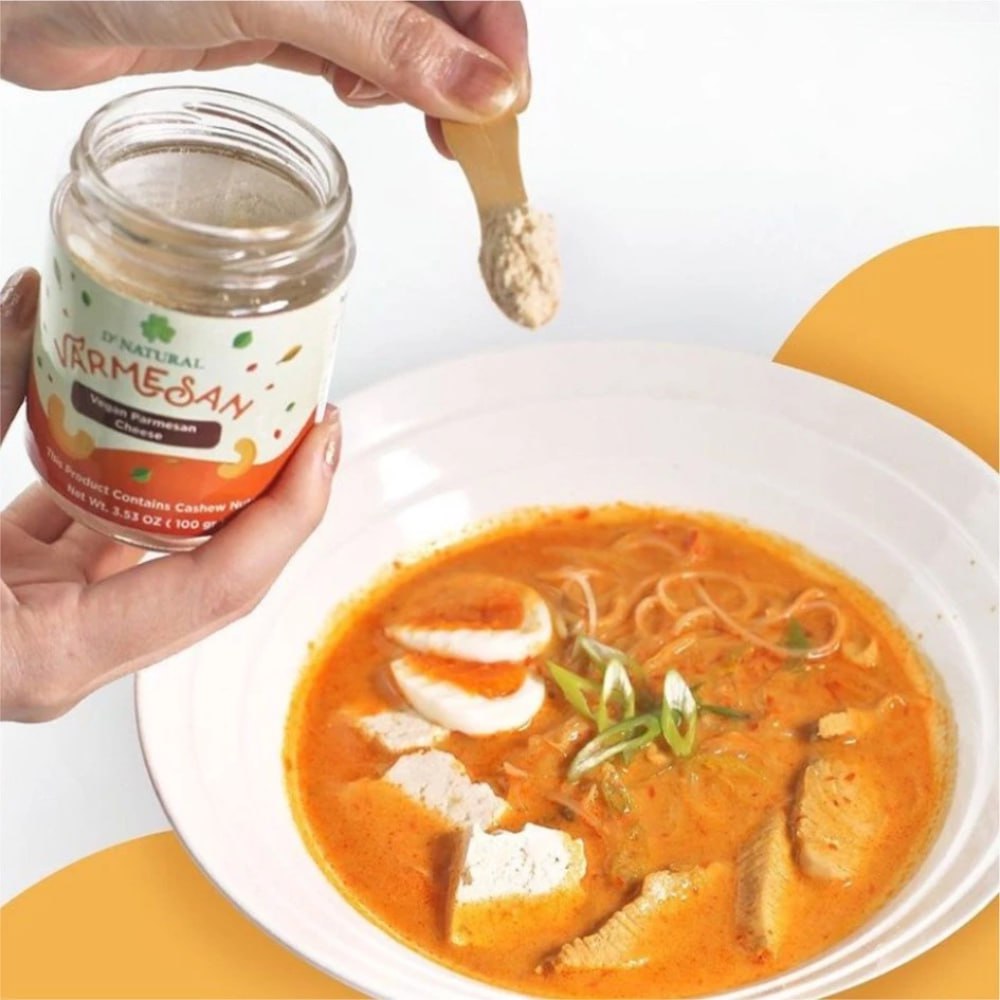
One of the biggest advantages of a dairy-free cheese alternative is versatility. These products aren’t limited to pizza or pasta—they’re used across a wide range of everyday meals.
People sprinkle dairy-free cheese over salads, roasted vegetables, rice bowls, toast, and snacks. Because many alternatives don’t require melting, they work well as finishing toppings that add flavor instantly.
A well-balanced dairy-free cheese enhances meals without overpowering them, making it easy to incorporate into daily cooking.
Choosing a Dairy-Free Cheese Alternative That Fits Your Lifestyle
Choosing the right dairy-free cheese alternative depends on your priorities. If you value clean labels, look for products with simple, whole-food ingredients. If digestion matters, avoid heavy starches and excessive oils.
Some people prioritize convenience, while others focus on nutrition or flavor authenticity. The best dairy-free cheese is one that aligns with how you eat and what you value—without compromising taste.
As awareness grows, more people are choosing dairy-free options not just as substitutes, but as everyday seasonings that fit seamlessly into a modern, plant-forward lifestyle.
0 Comments