
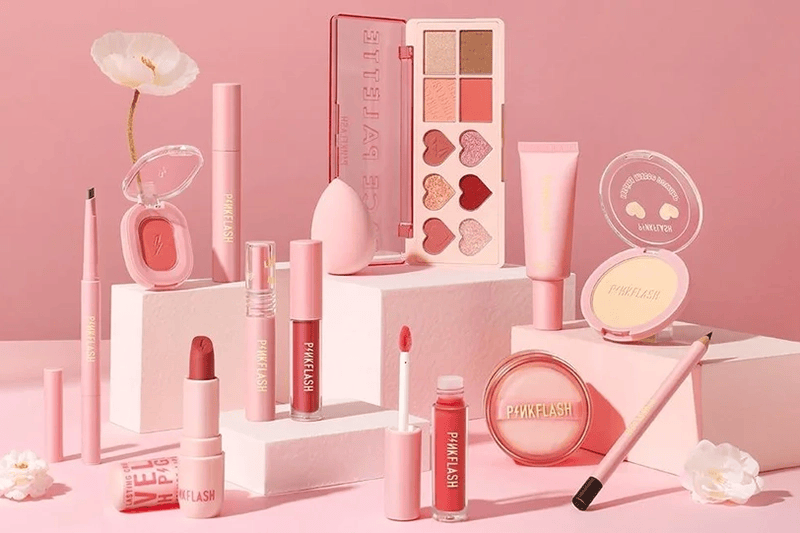
ASIACOMMERCE — Chinese beauty brands sourcing has become one of the most lucrative procurement opportunities for global businesses in 2025.
China's cosmetics market, often called C-beauty, has shifted dramatically away from pure influencer hype.
Today's leading brands are built on clinical formulation, biotechnology, and culturally rich design — and the results are showing in the numbers.
C-beauty sales are booming across Douyin, Tmall, and increasingly across Southeast Asian and Western markets.
For resellers and distributors, this creates a rare window of opportunity.
But sourcing these brands correctly — at fair pricing and without compliance risk — requires a very different approach than ordinary retail purchasing.
This guide breaks down 10 booming Chinese beauty brands worth watching, and exactly how to source them for your business.
10 Chinese Beauty Brands Driving the C-Beauty Boom
Proya leads the category with clinical, science-driven anti-aging skincare, becoming the first local beauty company to surpass RMB 10 billion in annual revenue.
Winona dominates sensitive skin care through dermatologically backed formulas using plant extracts native to Yunnan, and is now expanding into the Middle East.
Florasis blends traditional Chinese artistry with modern color cosmetics, known for ornate carved palettes that have crossed into Western retail through platforms like Ulta Beauty.
Judydoll has built a loyal following with highly pigmented, affordable color cosmetics favored for everyday and artistic looks.
Into You reshaped the lip category with its iconic matte mud lip formula, continuously trendsetting blurred and gradient lip techniques.
Flower Knows captures a whimsical, vintage aesthetic through fairy tale-inspired packaging, successfully entering retail partnerships across the US and Europe.
Chando draws on Himalayan natural ingredients for hydrating, botanical skincare with broad mainstream appeal.
Kans, owned by Shanghai Chicmax, leverages advanced peptide biotechnology and viral short-drama placements on Douyin to fuel rapid growth.
Timage, created by makeup artist Tang Siyi, has become a go-to for professional-grade shading, contouring, and complexion products.
(READ ALSO: How to Get the Best Factory Pricing for Procurement Without Paying Hidden Middleman Markups)Funny Elves rounds out the list with lightweight, long-wearing base makeup tailored for oily and combination skin types.
Each of these brands shares one trait that matters enormously for B2B buyers: proven consumer demand already exists before you even place an order.
Why Sourcing These Brands Yourself Is Riskier Than It Looks
Booming brand recognition does not automatically mean easy procurement.
Most of these brands sell primarily through domestic Chinese platforms, with wholesale terms that are rarely advertised publicly to overseas buyers.
Reaching the right manufacturer or authorized distributor typically requires Mandarin fluency and an existing industry network — both of which most foreign buyers lack.
Cosmetics also carry a heavier compliance burden than many other product categories.
Ingredient disclosure, safety certification, and import licensing requirements vary significantly between destination countries, and mistakes here are far more consequential than a simple price markup.
Improperly classified or undocumented cosmetic shipments are frequently flagged, delayed, or seized entirely at customs.
This is precisely the scenario every B2B buyer wants to avoid — capital tied up in inventory that never legally clears the border.
Without an experienced sourcing partner, the path from "interested in a booming brand" to "product safely in your warehouse" is far more complicated than it first appears.
How Chinese Beauty Brands Sourcing Actually Works for B2B Buyers
(READ ALSO: Thai Skincare Sourcing: How to Import Top Brands for Your Business at Factory Pricing)Effective sourcing begins with identifying which brands and manufacturers genuinely offer wholesale or distribution partnerships, since not every viral brand sells in bulk to overseas buyers.
From there, direct negotiation with the manufacturer or its authorized trading entity is essential to secure factory-level pricing rather than inflated reseller rates.
This stage typically covers minimum order quantities, production timelines, and private label possibilities for buyers building their own retail brand.
Quality verification follows immediately, confirming batch consistency and manufacturing certification before any bulk commitment is made.
The final and most critical stage is compliant import execution — accurate HS Code classification, full ingredient documentation, and adherence to your destination country's cosmetic import regulations.
Skipping or rushing this final stage is where most independent buyers run into serious trouble.
How AsiaCommerce Makes Chinese Beauty Brands Sourcing Safe and Simple
AsiaCommerce is a B2B cross-border technology platform founded in 2016 under PT Lintas Mitra Perkasa, with established sourcing expertise across multiple categories, including beauty and cosmetics.
The sourcing team identifies and negotiates directly with Chinese manufacturers and authorized distributors, securing factory-level pricing without requiring you to navigate the language or network barrier yourself.
Every supplier is verified, and every batch is quality-inspected before shipment, protecting your investment from inconsistent or substandard product.
Most importantly, AsiaCommerce manages the full compliance process — correct HS Code classification, proper documentation, and adherence to import regulations — so your cosmetics shipment clears customs cleanly every time.
Because every step follows applicable trade law without exception, there is no risk of the seizure or penalty scenarios that plague buyers who rely on informal or unlicensed import channels.
With logistics and fulfillment infrastructure already established across Southeast Asia, AsiaCommerce can also support your distribution strategy once the product arrives.
(READ ALSO: 7 Strategi Jitu Pengadaan Internasional agar Bisnis Impor Anda Untung Maksimal)You simply choose the brand and product category — the entire sourcing, compliance, and delivery process is handled end to end on your behalf.
Turning the C-Beauty Boom Into a Real Business Opportunity
The brands driving China's beauty boom in 2025 share a powerful combination: established consumer demand and accessible factory-level pricing for buyers who source correctly.
That combination only translates into profit when the sourcing process is handled by someone who understands both the negotiation side and the regulatory side equally well.
Buyers who attempt to shortcut either side typically end up paying inflated prices, receiving inconsistent product quality, or facing customs complications that erase their margin entirely.
The businesses capturing real value from this trend are the ones treating sourcing as a structured, compliant process from day one.
Start Sourcing Chinese Beauty Brands the Right Way
AsiaCommerce has the manufacturer relationships, negotiation expertise, and regulatory knowledge to make Chinese beauty brands sourcing straightforward for global businesses.
You do not need existing supplier contacts in China or prior cosmetics import experience to get started.
You simply need the right sourcing partner managing the process from negotiation through delivery.
Your first consultation is completely free, with no commitment required.
Tell us which brands or product categories interest you, and let the AsiaCommerce sourcing team secure factory-direct pricing while handling every compliance requirement on your behalf.
📲 Connect with AsiaCommerce on WhatsApp Now
Tell us what you need to source — and we will handle the negotiation, quality control, and customs compliance end to end, with zero seizure risk. (*)
AsiaCommerce: Cross-Border Supply Chain Enabler for Southeast Asia
0 Comments