
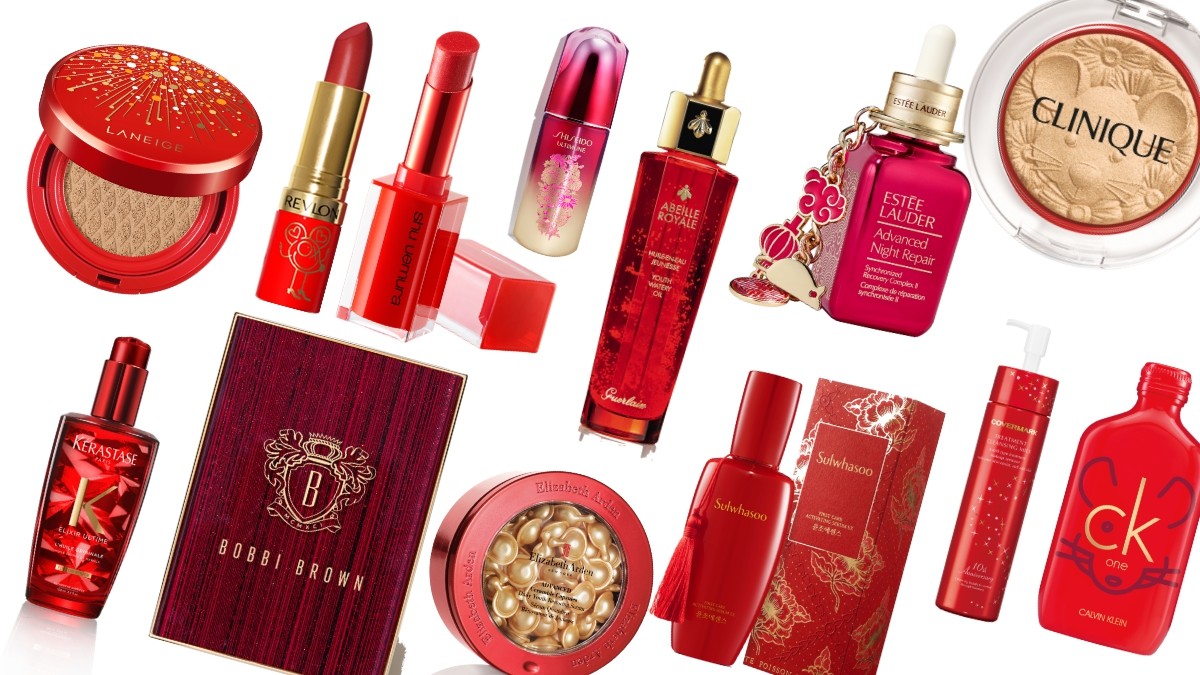
By AsiaCommerce China Sourcing & Market Expansion Team
ASIACOMMERCE - Finding a promising Chinese beauty brand is only the beginning of an importer's decision.
C-Beauty is moving from domestic success toward deeper international expansion.
China's cosmetics exports reached US$7.82 billion in 2025, increasing 9.2% year on year.
Southeast Asia has become an important part of that expansion.
Brands including Proya, Florasis, Judydoll, and INTO YOU are increasing their presence across the region.
However, growing popularity does not automatically make every brand suitable for every destination market.
An importer needs more than an attractive product catalogue or strong social-media performance.
The brand itself must be credible, while its products and cross-border structure must support the intended market.
This distinction becomes particularly important in regulated categories such as cosmetics.
A product that can be sold in China does not automatically arrive ready for Indonesia, Malaysia, or the Philippines.
AsiaCommerce has managed China sourcing and Southeast Asian market expansion through PT Exim Jaya Abadi and PT Kalimas Mitra Perkasa since 2016.
Our experience shows that importers should evaluate the opportunity as a complete market-entry proposition, not simply as access to products.
Start With the Brand, Not Just the Product
Chinese beauty brands can become attractive to importers for several reasons.
Some already have strong digital visibility, distinctive products, competitive positioning, or growing recognition among Southeast Asian consumers.
That momentum is becoming easier to see.
Chinese brands have expanded from livestream-driven sales into local teams, physical retail, and broader distribution networks across Southeast Asia.
Joy Group provides a useful example.
The company behind Judydoll and Joocyee established Singapore as a regional hub before expanding its overseas retail footprint.
However, importer interest should not begin and end with consumer popularity.
(ALSO READ: Top Chinese Cosmetic Brands to Watch in 2026: What Their Growth Means for Southeast Asia)The more important question is whether there is a credible business structure behind the opportunity.
Brand ownership, authorization, product documentation, manufacturing arrangements, and international-market readiness can influence what happens after an importer commits.
These considerations become more important when a brand is expanding quickly.
Rapid growth can create opportunity, but it does not remove cross-border complexity.
Importers should therefore distinguish between a product that looks commercially attractive and a brand that is actually ready for international distribution.
That distinction is critical.
A viral product can generate demand today, while the importer still needs a structure that can support tomorrow's operations.
This is why brand evaluation should consider the wider business opportunity before sourcing moves forward.
The objective is not simply finding products that can sell.
It is identifying whether the brand behind those products can support sustainable market development.
Market Readiness Is Different From Popularity
Southeast Asia is becoming increasingly important to C-Beauty, but regional expansion does not follow one universal formula.
Consumer demand differs between countries.
So do regulations, retail structures, purchasing behaviour, product preferences, and distribution channels.
Chinese beauty companies are already adapting to these differences.
INTO YOU discovered that shade preferences varied significantly between Southeast Asian markets after entering the region.
The company subsequently adapted products around local usage habits and aesthetic preferences.
Joy Group has also localized its Southeast Asian strategy while expanding through both digital and offline channels.
These examples reveal an important consideration for importers.
Market readiness is not the same as brand popularity.
A brand may perform strongly in China or gain attention on TikTok without being fully prepared for another country.
Product suitability is only one part of that equation.
Regulatory requirements, local positioning, inventory movement, marketplace channels, fulfillment, and consumer expectations can also shape the outcome.
Importers therefore need to look beyond whether a brand is currently trending.
They need confidence that the opportunity can function within the destination market.
This does not mean businesses must independently become experts in every operational requirement.
It means those requirements should be considered before major sourcing and market commitments are made.
A strong brand opportunity becomes much more valuable when the route from China to the consumer market is equally strong.
Compliance Can Change the Commercial Opportunity
Cosmetics illustrate why market readiness cannot be separated from compliance.
Indonesia provides a particularly relevant example in 2026.
PerBPOM No. 25 of 2025 introduced the current technical requirements for cosmetic ingredients and replaced the previous framework.
(ALSO READ: Should You Import an Existing Chinese Cosmetic Brand or Build Your Own Private Label?)Indonesia is also approaching another major regulatory milestone.
BPJPH confirms that cosmetics fall within the categories subject to mandatory halal certification from 18 October 2026 under the applicable implementation stages.
For foreign beauty brands, these requirements affect more than paperwork.
They can influence whether a product portfolio is appropriate for the Indonesian market in its existing form.
The enforcement environment also matters.
In June 2026, BPOM announced the discovery of 2,082,039 pieces of illegal imported cosmetics in Tangerang.
The products had an estimated economic value of Rp27.6 billion and lacked proper distribution authorization or complete import documentation.
This case demonstrates the difference between products reaching a market and products entering it through a sustainable legal structure.
For legitimate importers, compliance should therefore form part of the commercial assessment from the beginning.
The same principle applies when evaluating Malaysia or the Philippines.
Destination-market requirements need to connect with the brand, products, and supply structure before expansion moves forward.
The importer does not need to navigate every regulatory detail alone.
What matters is ensuring those requirements are managed correctly within the broader cross-border process.
Distribution Readiness Matters After Market Entry
Receiving approval to enter a market does not automatically create a successful beauty business.
Products still need to reach consumers effectively.
This is becoming increasingly visible in the evolution of C-Beauty itself.
Chinese brands initially used cross-border e-commerce and social commerce to test international demand.
Many are now moving toward deeper local operations.
Their strategies increasingly combine localized products, local teams, marketplaces, livestreaming, physical retail, and regional distribution.
This shift tells importers something important.
The real opportunity is not importing inventory; it is building a functioning route to market.
Warehousing, fulfillment, marketplace operations, inventory movement, and local distribution become relevant once products enter the country.
These downstream requirements can also affect decisions made much earlier.
A product portfolio may look attractive during sourcing but become difficult to scale when market-entry and distribution realities appear later.
This is why sourcing and selling should not be treated as isolated projects.
The process works better when China-side decisions already consider what will happen in the destination market.
AsiaCommerce connects these stages through an integrated cross-border model.
Depending on the project, our team can coordinate sourcing, supplier requirements, quality, compliance, import, market entry, fulfillment, and e-commerce distribution.
Clients can therefore focus on the commercial opportunity while AsiaCommerce manages the operational connections behind it.
Evaluate the Opportunity Before Committing to the Brand
C-Beauty's expansion across Southeast Asia creates genuine opportunities for importers and distributors.
China's cosmetics industry is producing stronger brands, while regional consumers are becoming increasingly familiar with Chinese beauty products.
The wider China-ASEAN trade relationship also continues to deepen.
China-ASEAN trade reached US$1.05 trillion in 2025, while trade during the first seven months of 2026 increased 24.7% year on year.
(ALSO READ: Import Perlengkapan Bayi dari China 2026: Produk Potensial dan Risiko yang Perlu Diperhatikan)
However, strong macro momentum should not replace careful evaluation at the brand level.
The right Chinese cosmetic brand needs more than attractive products or online popularity.
Its brand structure, product readiness, destination-market compliance, and distribution potential need to support the same commercial objective.
That is the distinction importers should remember:
Do not evaluate only whether the product can be sourced; evaluate whether the brand can be successfully brought to market.
Doing that properly requires several interconnected stages behind the scenes.
Those stages become more complex when China sourcing needs to connect with Indonesia, Malaysia, or the Philippines.
AsiaCommerce manages that cross-border process from upstream requirements in China through local market entry and e-commerce distribution in Southeast Asia.
Clients do not need to coordinate each supplier, compliance requirement, import process, warehouse, or marketplace operation independently.
Instead, AsiaCommerce can manage the relevant stages around the actual product, brand, and destination market.
Considering a Chinese cosmetic brand for your market? Discuss the brand and target country with AsiaCommerce, and our team can assess the appropriate cross-border route before you move forward.
Consult with AsiaCommerce on WhatsApp (*)
AsiaCommerce: Cross-Border Supply Chain Enabler for Southeast Asia
0 Comments