
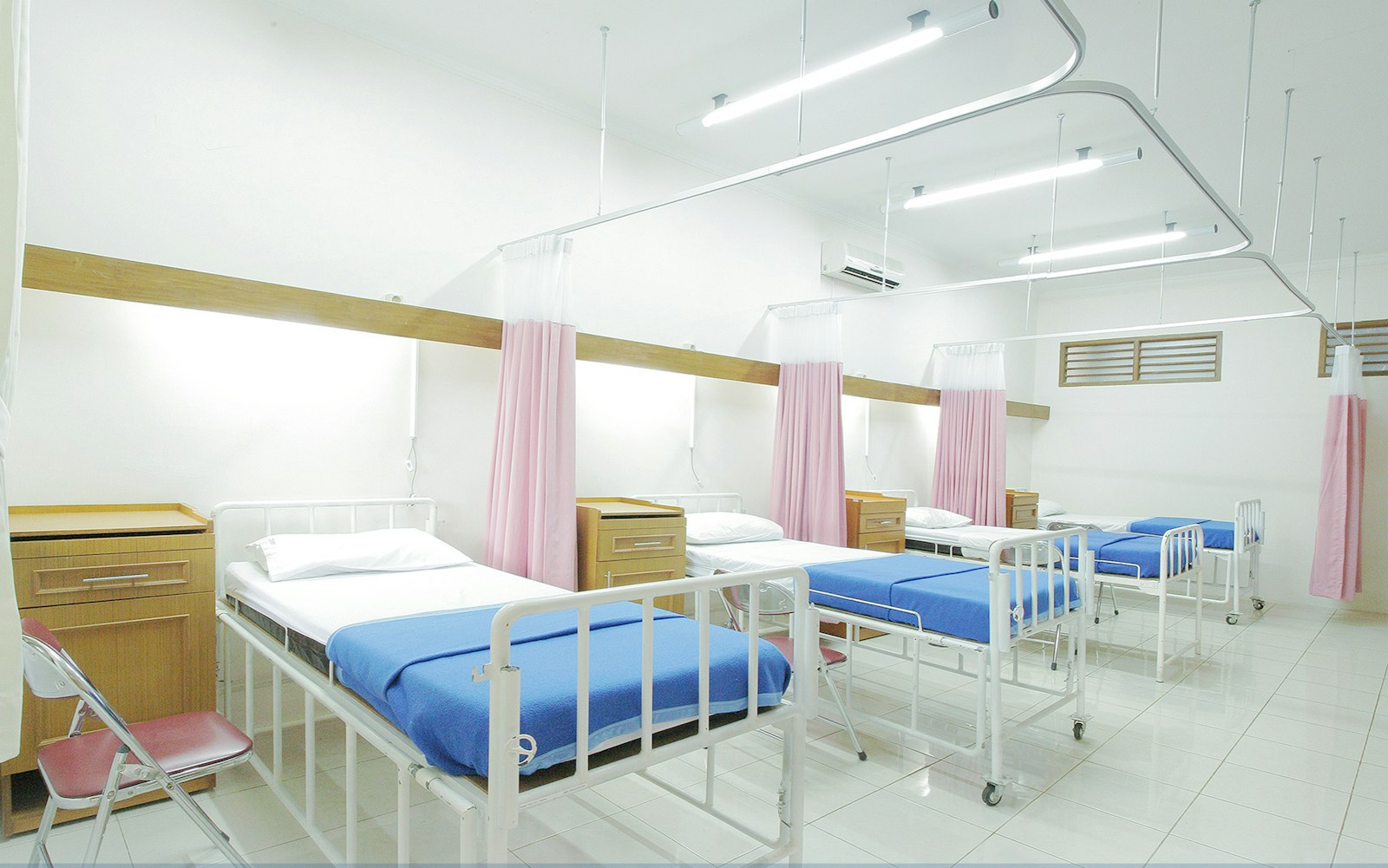
ASIACOMMERCE - New care centers are opening across the Philippines, from heart and lung units to cancer and kidney care. Each one needs beds, monitors, wheelchairs, and a steady flow of supplies from day one. For hospital buyers and medical distributors, that growth is why many now import medical devices from China for hospitals, working with factories that make the equipment wards rely on.
The pace is fast, and the timelines are tight.
Cut to the chase: Private hospitals, specialty centers, and medical distributors in the Philippines and Malaysia can import medical devices from China for hospitals, from hospital beds and patient monitors to wheelchairs, infusion stands, and ward consumables. The right partner checks factories, papers, and quality before shipping, so each item arrives ready to use.
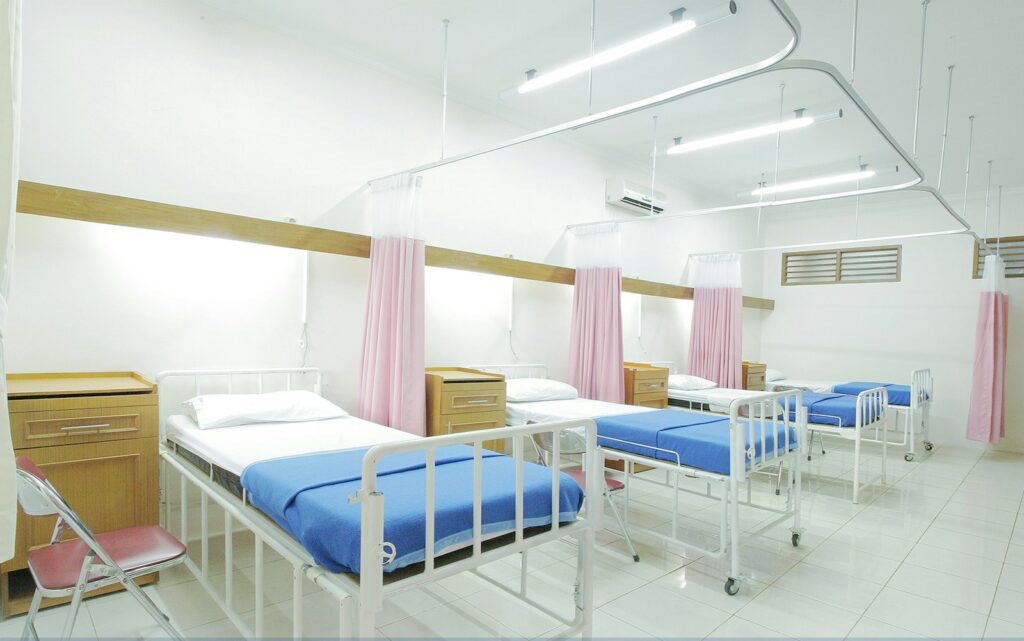
Why Are Hospitals in the Philippines Buying More Equipment?
Because the health system is growing fast.
The Philippines now has 208 specialty centers, up from 98 in 2022, the Department of Health said in July 2026, according to Daily Tribune.
The government is also targeting 349 specialty centers before the end of the current presidential term in 2028, Manila Bulletin reported in May 2026.
Every new unit needs beds, devices, and daily supplies. As a result, distributors that import medical devices from China for hospitals are seeing more tenders and larger orders.
What Do Buyers Import Medical Devices from China for Hospitals?
| Category | Examples | Where it is used |
|---|---|---|
| Hospital furniture | Electric beds, bedside cabinets, over-bed tables | Wards and private rooms |
| Monitoring equipment | Patient monitors, pulse oximeters, BP monitors | Wards and emergency rooms |
| Mobility aids | Wheelchairs, stretchers, walking frames | Across the whole hospital |
| Consumables | Gloves, masks, syringes, dressings | Daily use in every unit |
Most first orders focus on furniture and consumables. After that, hospitals add monitors and other devices as departments open.
Which Rules Apply to Hospital Equipment?
Medical devices are regulated in both countries.
In the Philippines, medical devices generally need FDA approval before sale. In Malaysia, they generally need to be listed with the Medical Device Authority, based on regulations at the time of writing.
The rules depend on the type of device. A bed and a monitor, for example, may follow different paths.
That is why, before you import medical devices from China for hospitals with us, our team reviews each factory's quality papers and test reports. Approval itself stays with the local license holder.
For the full picture on device categories, see our main guide on how to import medical devices from China.
When Should You Import Medical Devices from China for Hospitals?
As soon as the opening date is set.
Big items like beds take time to make. Then they need checks, packing, and a long trip by sea.
Papers can take time too. So it helps to start early, while the building is still being fitted out.
Many buyers split the order. First come the beds and basic supplies. Then come the monitors and other devices, once each room is ready.
Our team plans each step from your opening date. That way, your wards are not left waiting for stock.
What Do Hospital Buyers Look For?
Mostly reliability and paperwork.
For instance, buyers want equipment that works the same way in every ward. They also want spare parts, manuals, and training material from the factory.
In addition, many tenders ask for quality papers and test reports. Missing papers can sink a good bid.
Our team checks samples, functions, documents, labels, and packing before loading. In short, the goal is equipment that passes both the tender and the ward.
Distributors that import medical devices from China for hospitals also plan deliveries in phases, so stock arrives as each unit opens.
Which Related Categories Support Hospital Orders?
Usually, home care and pharmacy supplies.
Many distributors also serve patients after discharge. Our article on home care equipment covers that channel.
If you also supply drugstores, see how pharmacies stock medical devices. And for clinics, our guide for dental practices is a helpful next read.
How AsiaCommerce Helps You Import Medical Devices from China for Hospitals
A hospital order involves factory checks, papers, samples, inspections, and careful packing.
AsiaCommerce, experienced in export and import since 2016, runs the procurement so you can focus on your patients and tenders.
Our team sources suitable factories, checks the goods and documents, and coordinates official import in line with regulations.
Here is how it works:
- Send us the product link or your product requirements.
- Receive a full cost breakdown up to delivery, including shipping, duties, and import taxes.
- Make your payment.
- Our team purchases and checks the goods, then imports them officially in line with regulations.
- The goods arrive at your business address.
You can also learn more about our import procurement solution and our quality inspections.
Equipping a new ward or center? Talk to us
Hospital Equipment FAQs
What equipment do hospitals usually source from China?
Beds, monitors, wheelchairs, and daily consumables are common choices.
Do hospital devices need FDA registration in the Philippines?
Generally, yes. Most medical devices need FDA approval before they can be sold.
Can distributors import medical devices from China for hospitals for tenders?
Yes. Many distributors use factory documents and samples to support tender bids.
Does AsiaCommerce handle device registration?
No. That stays with the local license holder, while our team checks the factory papers.
How is hospital equipment checked before shipping?
Our team checks samples, functions, documents, labels, and packing before loading.
AsiaCommerce is a China sourcing and procurement partner for businesses in the Philippines, Malaysia, and Indonesia.
AsiaCommerce: Cross-Border Supply Chain Enabler for Southeast Asia