
ASIACOMMERCE - A few years ago, latiao was a snack most shoppers in Kuala Lumpur or Manila had never heard of. Now, younger customers walk into snack shops asking for it by name, after seeing it all over TikTok and Instagram. That kind of demand is exactly why more owners import food from China for snack shops, building shelves around flavours their customers already want to try.
The opportunity is clear. The trick is choosing snacks that travel well, meet local rules, and keep selling after the hype fades.
Simply put: Snack shops, minimarts, and online snack sellers in Malaysia and the Philippines can import food from China for snack shops, from spicy latiao and seaweed snacks to dried fruit and seeds. The winners are snacks with a long shelf life, sealed packaging, compliant labels, and halal options for Muslim customers.
Why Are Chinese Snacks Suddenly Everywhere?
Social media did most of the work.
Latiao, the chewy, spicy strips first made in Hunan in 1998, has become a global talking point through TikTok and Instagram videos, The Star reported in August 2026.
China's largest latiao maker said its overseas sales grew by nearly 50% in a year, according to the same report.
Festive seasons add another push. Ahead of Chinese New Year 2026, retail data firm Packworks forecast a 10% rise in sales at Philippine sari-sari stores, with Asian noodles and Chinese treats among the movers, Manila Bulletin reported.
So owners who import food from China for snack shops are not betting on a fad. Instead, they are following steady demand with a few viral peaks on top.
Which Snacks Sell When You Import Food from China for Snack Shops?
| Snack group | Examples | Why shoppers buy |
|---|---|---|
| Spicy snacks | Latiao, spicy tofu strips, mala peanuts | Viral flavours and bold taste |
| Light snacks | Seaweed snacks, rice crackers, puffed snacks | Easy everyday buys |
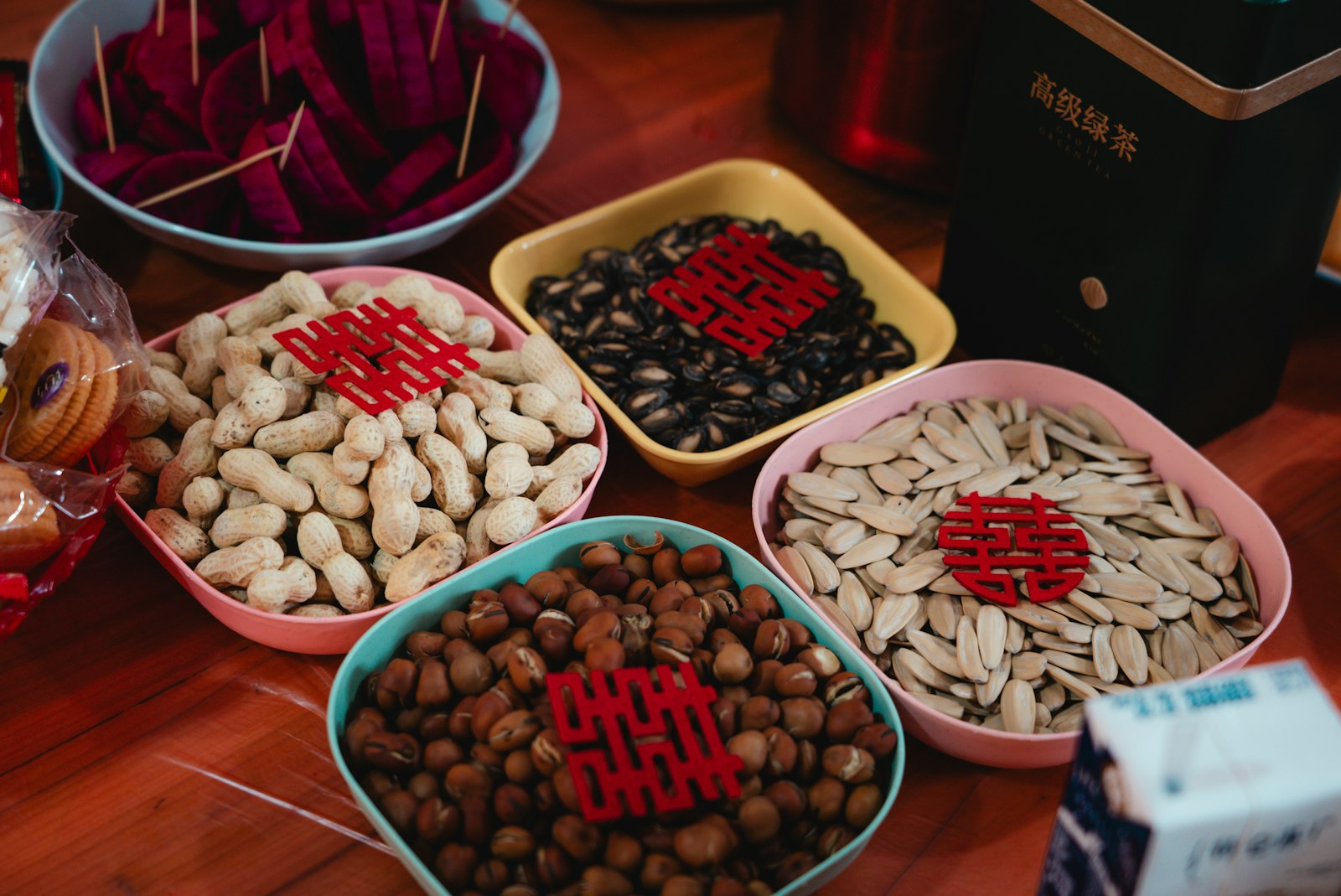
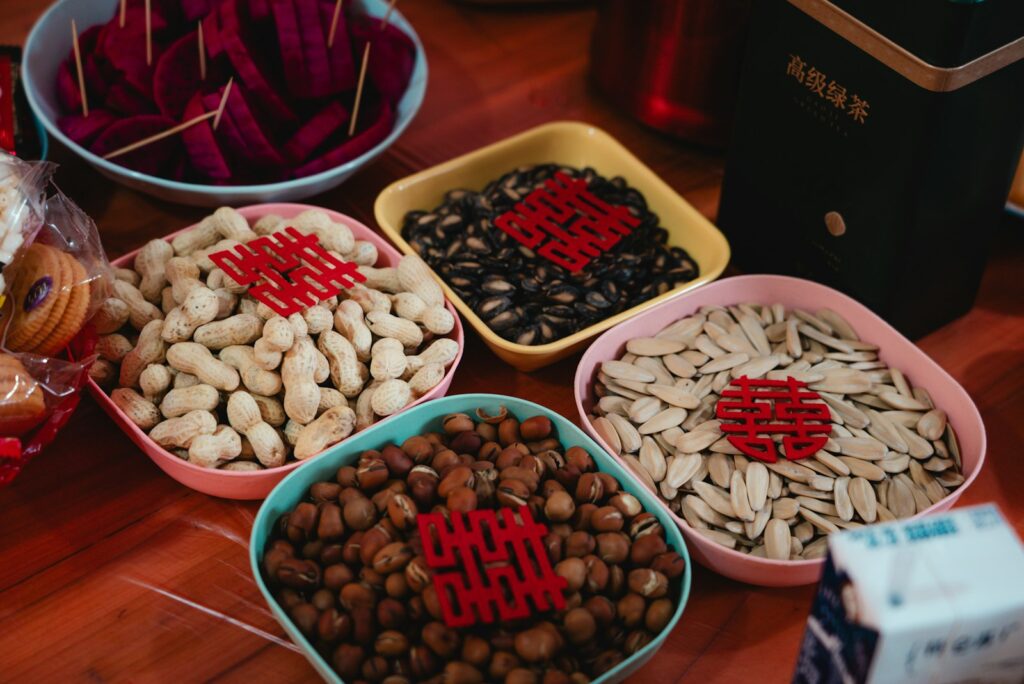
| Seeds and nuts | Sunflower seeds, melon seeds, flavoured nuts | Festive sharing and gifting |
| Sweet treats | Dried fruit, candies, filled biscuits | Gift boxes and kids' favourites |
Most shops start with a small "try something new" corner. Then, once a flavour sells out twice, it earns a permanent spot.
What Do Malaysian and Filipino Rules Mean for Snack Imports?
Snacks are packaged food, so food rules apply.
In Malaysia, imported food must meet the national food regulations, including labelling requirements. For many shops, halal certification also decides whether a snack can sell at all.
In the Philippines, processed food products generally need FDA registration before they reach store shelves.
Ingredients such as colours, preservatives, and flavour enhancers also need to match what each country allows, based on regulations at the time of writing.
That is why, when you import food from China for snack shops with us, our team checks ingredient lists, labels, and factory documents before you commit.
For the wider picture, our main guide on how to import food from China covers halal-ready sourcing and factories.
How Do You Keep Snacks Fresh on a Long Journey?
Packaging does most of the protecting.
For example, nitrogen-flushed bags, foil liners, and sturdy cartons keep chips crisp and seeds dry. Heat and humidity are the enemies, especially in warehouses and shipping containers.
Shelf life matters just as much. A snack that arrives with only a few weeks left is hard to sell, so owners who import food from China for snack shops ask about dates early.
So our team checks expiry dates, seals, and carton strength before loading. In short, the goal is snacks that taste the same in Penang or Pampanga as they did at the factory.
Can You Import Food from China for Snack Shops Under Your Own Brand?
Yes, and many snack shops do once they find their bestsellers.
Factories can pack popular snacks in your own bags, with your logo and local-language labels. As a result, your shop builds a brand instead of reselling someone else's.
If you also sell festive hampers, our guide to hamper fillers from China is a natural next read.
And if drinks sit next to your snack shelf, see how convenience stores choose drinks from China.
How AsiaCommerce Helps You Import Food from China for Snack Shops
A snack order involves many flavours, factories, labels, registration documents, and packing that protects every bag.
AsiaCommerce, experienced in export and import since 2016, runs the procurement so you can focus on your customers.
Our team sources suitable factories, checks the goods, and coordinates official import in line with regulations.
Here is how it works:
- Send us the product link or your product requirements.
- Receive a full cost breakdown up to delivery, including shipping, duties, and import taxes.
- Make your payment.
- Our team purchases and checks the goods, then imports them officially in line with regulations.
- The goods arrive at your business address.
You can also learn more about our import procurement solution and our quality inspections.
Want the snacks everyone is talking about? WhatsApp us
Snack Shop Owners Want to Know
Is latiao halal?
It depends on the product. Some latiao products carry halal certification, so our team checks each factory's documents.
Can I import food from China for snack shops in mixed orders?
Often, yes. Many shops combine several flavours and products in one shipment.
Do Chinese snacks need registration?
Usually. Packaged snacks follow food rules in both Malaysia and the Philippines.
Which Chinese snacks are easiest to start with?
Sealed, long-life snacks such as seaweed snacks, seeds, and spicy strips are common first orders.
How are snacks checked before shipping?
Our team checks samples, expiry dates, seals, labels, and packing before loading.
AsiaCommerce is a China sourcing and procurement partner for businesses in the Philippines, Malaysia, and Indonesia.
AsiaCommerce: Cross-Border Supply Chain Enabler for Southeast Asia