
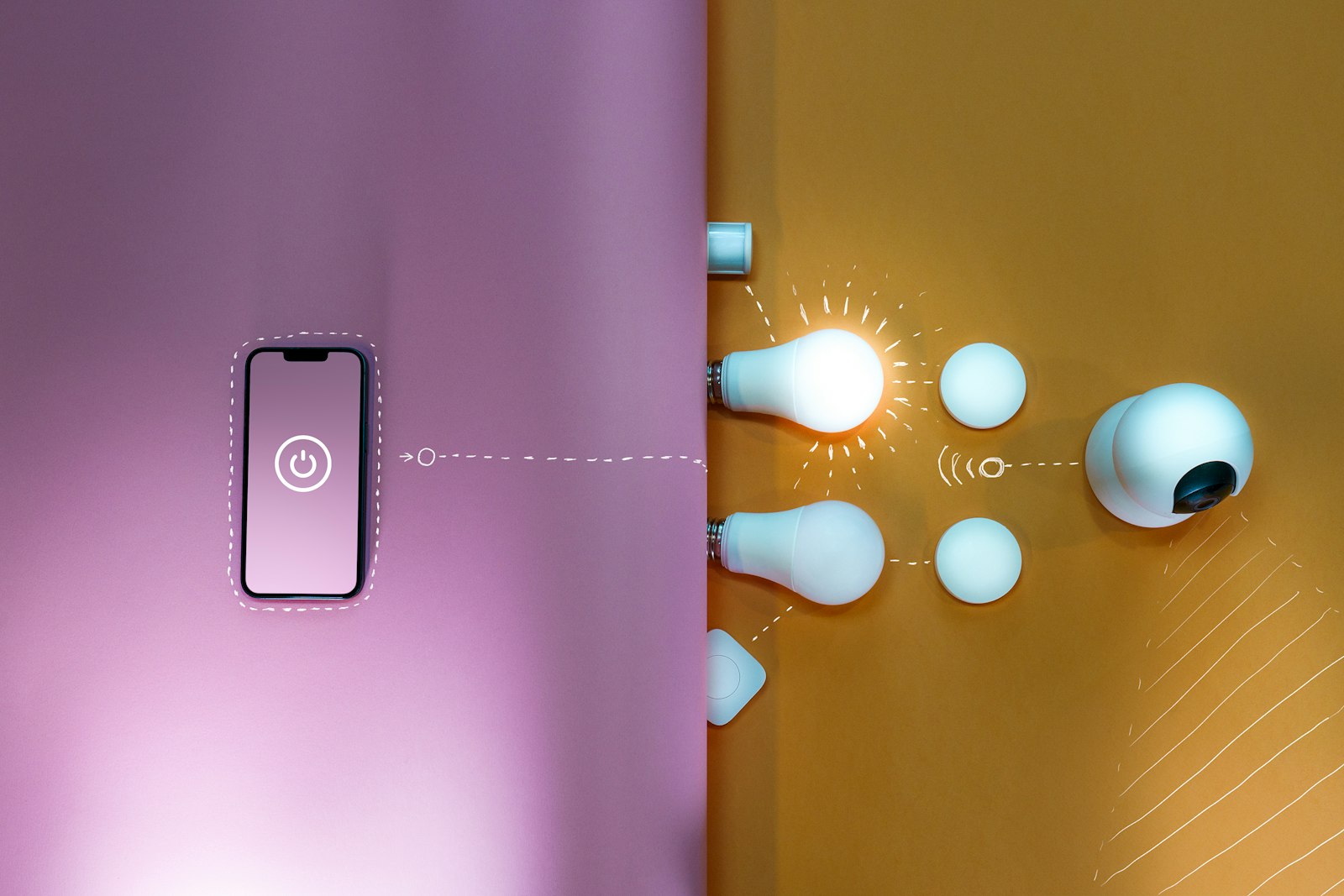
ASIACOMMERCE - Smart plugs, video doorbells, sensor lights, and robot vacuums used to be gadgets for early adopters. Today, more retailers and installers in Malaysia and the Philippines want to import electronics from China for smart homes, because their customers now ask for them by name.
The opportunity is real. So is the catch: smart devices are connected, regulated, and only as good as the app behind them.
In short: You can import electronics from China for smart homes in Malaysia or the Philippines. The products that sell well are the ones that work together, carry the right local approvals for wireless and electrical safety, and come from factories that keep their apps and firmware updated.
Why Do Retailers Import Electronics from China for Smart Homes Now?
Developers are building homes around connected living.
In Selangor, for example, a 500-unit residential tower at i-City is being planned around AI-assisted smart living, with completion slated for 2030, The Star reported in June 2026.
The same report noted that an ageing population is pushing interest in sensors and home monitoring for elderly family members.
Meanwhile, younger buyers want homes they can control from a phone, from the lights to the front door.
As a result, smart features are no longer a luxury add-on in many new projects. They are part of the pitch.
That demand reaches retailers first, then electrical contractors, interior designers, and property developers who want ready-made packages.
Which Products Make Sense When You Import Electronics from China for Smart Homes?
| Category | Typical products | What customers judge them on |
|---|---|---|
| Security | Indoor cameras, video doorbells, smart locks | App reliability, privacy, and night vision |
| Lighting and power | Smart bulbs, switches, smart plugs | Easy pairing and electrical safety |
| Comfort | Smart fans, curtain motors, IR remotes | Quiet operation and voice control |
| Care and sensing | Motion, door, and fall sensors | Battery life and alert accuracy |
Starter bundles, such as a hub with two sensors and a smart plug, often sell faster than single items. They are also easier to explain to first-time buyers.
So when you import electronics from China for smart homes, it often pays to plan the range as kits, not as separate gadgets.
Why Does Compatibility Matter More Than Price?
Because one device that refuses to talk to the others ruins the whole experience.
Industry players quoted by The Star said many systems remain siloed, with each party using its own technical standards and connection methods.
For a retailer, that means returns, bad reviews, and support calls.
That is why we look at the app ecosystem, firmware updates, and pairing behaviour before a product goes into your range.
For the wider electronics picture, including certification, our main guide on how to import electronics from China is the place to start.
What Approvals Do Smart Devices Usually Need?
Most smart devices are wireless, so they fall under radio equipment rules: SIRIM and MCMC in Malaysia, and the NTC in the Philippines.
Many also plug into the wall, which brings electrical safety requirements on top.
Cameras and connected locks raise one more question: data. The same Star report noted that Malaysia's national cyber security agency sees connected homes as part of a growing risk landscape.
Our guide on wireless electronics from China explains the radio approval side in more detail.
When you import electronics from China for smart homes, approval-ready models save months, so our team checks documents with the factory first.
Can You Sell Smart Home Devices Under Your Own Name?
Yes. Many factories supply smart devices that can carry your brand on the product, the box, and even inside the app.
However, approvals usually follow the brand and model that is sold, so branding and paperwork have to be planned together.
If this is your plan, read our guide to building your own electronics brand from China.
How AsiaCommerce Helps You Import Electronics from China for Smart Homes
A smart home range involves several factories, app checks, wireless and electrical approvals, labels, and shipping documents.
AsiaCommerce, experienced in export and import since 2016, runs the procurement so you can focus on selling and installing.
Our team helps you import electronics from China for smart homes by sourcing suitable factories, checking the goods, and coordinating official import in line with regulations.
Here is how it works:
- Send us the product link or your product requirements.
- Receive a full cost breakdown up to delivery, including shipping, duties, and import taxes.
- Make your payment.
- Our team purchases and checks the goods, then imports them officially in line with regulations.
- The goods arrive at your business address.
You can also learn more about our China sourcing solution and our quality inspections.
Building a smart home range? Talk to our team on WhatsApp
Smart Home Sourcing: Common Questions
Which smart home products sell best for retailers?
Smart plugs, bulbs, indoor cameras, and video doorbells are common first products, especially as bundles.
Do smart home devices from China work with voice assistants?
Many do, but support varies by model. Our team checks this before you order.
Do smart devices need certification in Malaysia?
Wireless and electrical products usually need local approvals before sale, based on regulations at the time of writing.
Can installers import electronics from China for smart homes in one mixed shipment?
Yes. Cameras, sensors, and lighting from different factories can be combined into one shipment.
Why do some smart devices stop working after a while?
Often it is the app or cloud service, not the hardware. That is why factory support and firmware updates matter.
AsiaCommerce is a China sourcing and procurement partner for businesses in the Philippines, Malaysia, and Indonesia.
AsiaCommerce: Cross-Border Supply Chain Enabler for Southeast Asia