
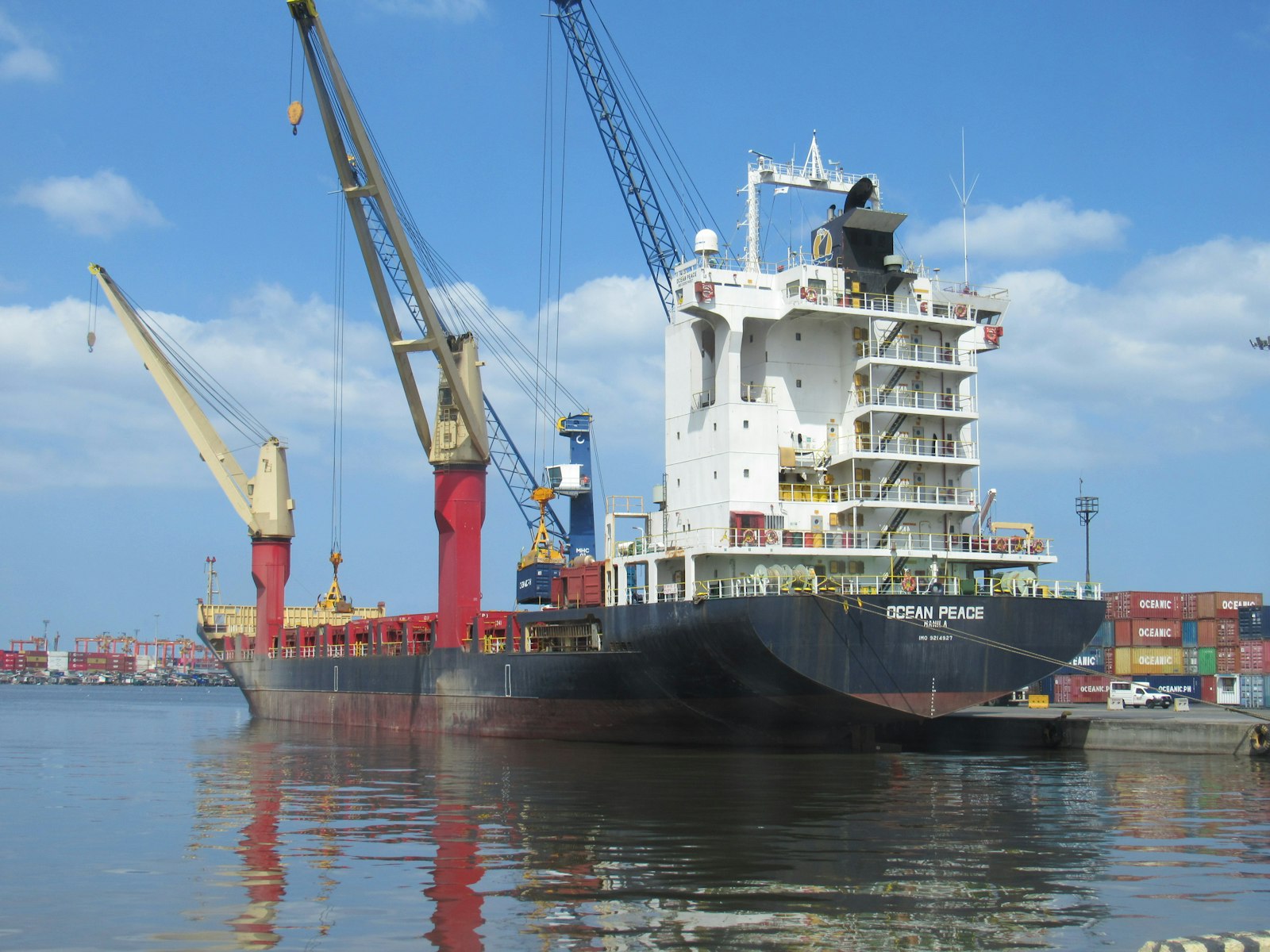
ASIACOMMERCE - Grocery distributors, wholesalers, and minimart owners increasingly import food from China to the Philippines to fill shelves with snacks, noodles, and sauces that sell every day.
Chinese products are popular because of their variety, steady supply, and familiar flavours.
However, food is one of the most closely watched categories at Philippine ports.
A missing permit or a wrong declaration can keep a whole container on hold.
Short answer: Yes, you can import food from China to the Philippines for wholesale, retail, or sari-sari store supply.
The key is choosing products that can meet FDA registration and label rules, declaring them correctly, and working with a team that manages these risks before the goods ship.
Why Do Distributors Import Food from China to the Philippines?
China is already the Philippines' largest source of imports.
In July 2026, imports from China made up 29.5% of total Philippine imports, the Philippine Statistics Authority data showed, as Daily Tribune reported.
For food, Chinese factories offer snacks, biscuits, instant noodles, sauces, and dried goods in large volumes.
In addition, many of them already supply other Southeast Asian markets, so their products travel well.
For a distributor, that means more choice and fewer gaps on the shelf.
For the halal side and the Malaysian market, see our pillar on how to import food from China.
Which Food Products Suit the Philippine Market?
Most orders fall into a few groups.
| Product group | Typical buyers | What usually matters most |
|---|---|---|
| Snacks and biscuits | Minimarts, sari-sari store suppliers | Small pack sizes, shelf life, and labels |
| Instant noodles and sauces | Grocery wholesalers and distributors | Ingredients, date marks, and registration |
| Dried goods and seasonings | Restaurants and Chinese groceries | Storage, moisture control, and packaging |
| Festive treats | Retailers and gift basket sellers | Timing and gift packaging |
Because each group faces different checks, distributors who import food from China to the Philippines decide product choice and compliance together.
What Rules Apply When You Import Food from China to the Philippines?
Processed food sold in the Philippines generally needs registration with the Food and Drug Administration.
The local company that sells it also needs a License to Operate.
Labels must show the product name, ingredients, net content, date marks, and the responsible local company.
Frozen meat and fresh agricultural products follow separate Department of Agriculture rules and face strict checks.
Enforcement is active at the ports.
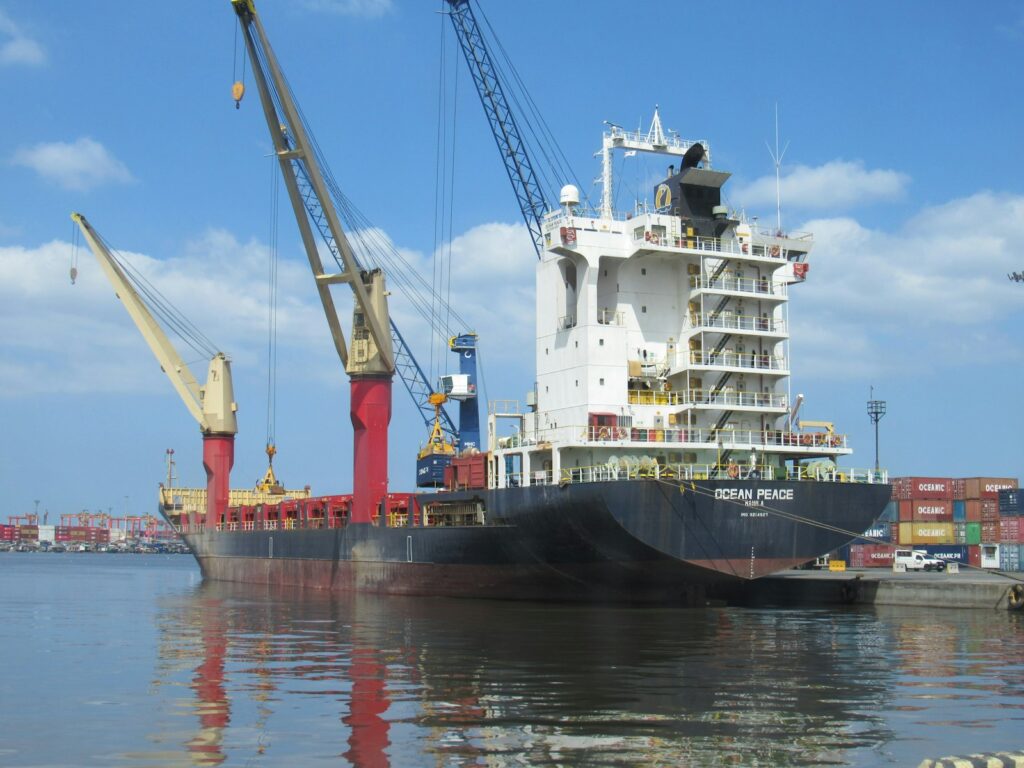
In July 2026, the Bureau of Customs seized five containers at the Port of Manila that were declared as Chinese processed food but held frozen meat, Daily Tribune reported.
So if you import food from China to the Philippines, correct declarations and documents matter as much as the products.
What Usually Goes Wrong with Food Orders from China?
The most common problem is not the taste of the product.
It is a document, a label, or a date that does not match what the rules expect.
For example, a product can arrive with Chinese-only labels, or with too little shelf life left for distribution.
Similarly, the goods that arrive can differ from the samples you approved.
Each of these issues can turn into held stock, relabelling work, or lost sales.
You do not need to manage these checks alone, because our team reviews products, labels, and documents before the goods leave China.
When Should You Order Food for Early 2027?
Chinese New Year falls on 6 February 2027, and many Chinese factories slow down around the holiday.
Therefore, if you import food from China to the Philippines for early 2027, confirm stock well before the break.
For Christmas gift baskets, our guide to hamper food from China explains how to plan festive items.
How AsiaCommerce Helps You Import Food from China to the Philippines
Bringing food into the Philippines properly involves factories, registration documents, labels, declarations, and several parties.
If one part is wrong, the goods can be held while your customers wait.
AsiaCommerce, experienced in export and import since 2016, runs the procurement so you can focus on selling.
Our team helps you import food from China to the Philippines by sourcing suitable factories, checking the goods, and coordinating official import in line with regulations.
Here is how it works:
- Send us the product link or your product requirements.
- Receive a full cost breakdown up to delivery, including shipping, duties, and import taxes.
- Make your payment.
- Our team purchases and checks the goods, then imports them officially in line with regulations.
- The goods arrive at your business address.
You can also learn more about our import procurement solution and our quality inspections.
Chat with Our Team on WhatsApp About Your Food Order
FAQ: Import Food from China to the Philippines
Do food products from China need FDA registration in the Philippines?
Most processed food products need FDA registration before they are sold.
The local company selling them also needs a License to Operate.
Can I import food from China to the Philippines for sari-sari stores?
Yes, many distributors supply small stores with Chinese snacks, noodles, and sauces.
The products still need proper registration and labels.
Which Chinese food products sell well in the Philippines?
Snacks, biscuits, instant noodles, sauces, and dried goods are common choices.
The right mix depends on your customers and region.
Can I combine different food products in one shipment?
Yes, many distributors combine items from several factories into one order.
Each product still needs its own checks and documents.
Do I need halal products for the Philippines?
Halal is not required for every product.
Still, it helps when you sell in Mindanao or to Muslim customers.
AsiaCommerce is a China sourcing and procurement partner for businesses in the Philippines, Malaysia, and Indonesia.
AsiaCommerce: Cross-Border Supply Chain Enabler for Southeast Asia