
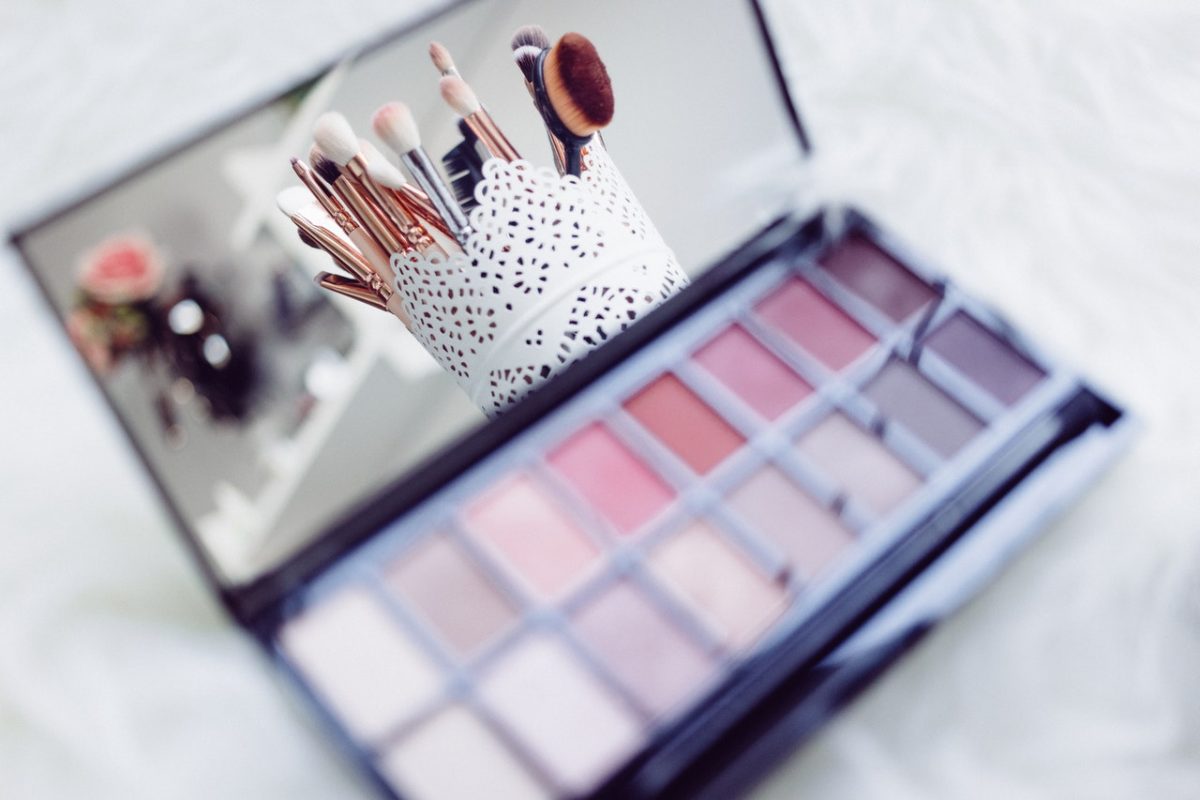
ASIACOMMERCE - Importing cosmetics into Indonesia requires more than finding buyers and arranging international shipping.
Foreign beauty brands must coordinate product compliance, local representation, import procedures, labeling, and halal requirements.
Indonesia requires cosmetics to follow a notification framework administered by the Indonesian Food and Drug Authority, known as BPOM.
This requirement makes regulatory preparation an essential part of market entry rather than a final administrative task.
Companies that prepare compliance too late can create delays between sourcing, importation, and commercial distribution.
Indonesia also strengthened its cosmetic ingredient framework through BPOM Regulation No. 25 of 2025.
The regulation governs technical requirements for cosmetic ingredients and replaces the previous regulatory framework.
It covers prohibited ingredients alongside substances that Indonesia permits under specific restrictions and conditions.
Indonesia will reach another major compliance milestone in October 2026.
Government Regulation No. 42 of 2024 establishes the staged halal certification framework covering cosmetics and other product categories.
The certification phase for cosmetics runs through October 17, 2026.
BPJPH states that mandatory halal implementation for cosmetics begins on October 18, 2026.
Foreign brands therefore need a strategy connecting formulation, BPOM compliance, halal preparation, importation, and commercial distribution.
Written by the AsiaCommerce Market Entry Team — B2B cross-border procurement and distribution specialists operating under PT Exim Jaya Abadi and PT Kalimas Mitra Perkasa since 2016. Last updated: September 2026.
Who Can Register and Import Foreign Cosmetics into Indonesia?
Foreign cosmetics companies cannot approach Indonesia as a simple cross-border shipment to local customers.
Indonesia requires an eligible local entity to handle key regulatory responsibilities for imported cosmetics.
A foreign company cannot directly hold the Indonesian cosmetic notification under its overseas legal entity.
This requirement makes local representation one of the earliest decisions for foreign beauty brands.
One option involves establishing an Indonesian foreign investment company, commonly known as a PT PMA.
The company can then structure its Indonesian activities around the appropriate business and import authorizations.
Another option involves appointing an eligible Indonesian importer or authorized local business partner.
Brands typically establish this relationship through contractual authorization between the overseas company and its Indonesian representative.
The local notification holder assumes important regulatory responsibilities for products marketed in Indonesia.
These responsibilities cover areas such as product safety, quality, benefits, documentation, and submitted product information.
Foreign brands should therefore evaluate potential local partners beyond their ability to move products through customs.
The importer also needs the appropriate Indonesian business licensing for its activities.
This framework includes a Business Identification Number, known locally as an NIB.
(ALSO READ: How Global Cosmetics Brands Win on Shopee, Lazada, and TikTok Shop in Southeast Asia)Additional requirements can apply to facilities and distribution activities depending on the company's operational structure.
These requirements create an important distinction between market demand and actual market-entry readiness.
Interest from distributors, marketplaces, or consumers does not replace regulatory authorization.
Foreign brands should resolve their local structure before committing significant inventory to Indonesia.
AsiaCommerce supports this process as part of a broader cross-border market-entry workflow.
Our team has managed sourcing, compliance coordination, market entry, warehousing, and distribution workflows since 2016.
AsiaCommerce operates legally under PT Exim Jaya Abadi and PT Kalimas Mitra Perkasa in Indonesia.
This structure connects regulatory preparation with the operational requirements that follow product approval.
How BPOM Cosmetic Notification Works for Imported Products
Indonesia uses a notification system for cosmetics rather than applying the same registration pathway used for pharmaceutical drugs.
BPOM Regulation No. 21 of 2022 governs procedures for cosmetic notification applications.
An eligible local applicant must prepare company and product documentation before submitting a cosmetic notification.
The process includes information about the foreign manufacturer and the products intended for the Indonesian market.
Brands also need documentation supporting manufacturing standards, formulation, product quality, and safety.
The Product Information File forms an important component of the compliance framework.
Indonesia commonly refers to this file as the DIP, or Dokumen Informasi Produk.
Supporting information can cover ingredients, manufacturing processes, specifications, safety documentation, and relevant manufacturing certificates.
Foreign brands should review formulas against Indonesian requirements before starting the notification process.
This step has become particularly important under BPOM Regulation No. 25 of 2025.
The regulation updates technical requirements governing cosmetic ingredients in Indonesia.
It also establishes conditions and restrictions that brands must consider when reviewing product formulations.
Therefore, approval in another country does not automatically make a cosmetic formula suitable for Indonesia.
This distinction matters especially for companies sourcing finished cosmetics or private-label products from China.
Brands should screen formulas before confirming mass production rather than discovering compliance problems after inventory already exists.
This is where China sourcing and Indonesian market entry become directly connected.
A low quotation or attractive product sample cannot solve a formula that fails destination-market requirements.
AsiaCommerce supports supplier negotiation, factory verification, quality control, and sourcing from China.
We can connect these sourcing activities with compliance preparation for Indonesia, Malaysia, and the Philippines.
This approach helps businesses build supply chains around the destination market instead of treating sourcing as an isolated purchase.
Halal and Labeling Requirements Foreign Beauty Brands Should Prepare
Halal compliance deserves early attention from cosmetics companies planning Indonesian market entry in 2026.
(ALSO READ: How to Source Products From China in 2026: A Complete Guide for Global Businesses)Indonesia regulates halal product assurance through its national halal framework and implementing regulations.
Government Regulation No. 42 of 2024 establishes staged certification requirements for several product categories, including cosmetics.
The certification phase applicable to cosmetics runs through October 17, 2026.
BPJPH states that mandatory halal implementation for cosmetics starts on October 18, 2026.
This development has direct implications for foreign companies preparing products for the Indonesian market.
Brands should examine ingredients, manufacturing processes, documentation, and applicable certification pathways before their commercial launch.
Indonesia also provides mechanisms involving recognized foreign halal certification under applicable requirements.
However, companies should verify whether their specific certification body and documentation satisfy the Indonesian pathway.
Brands should not assume that an overseas halal logo automatically resolves Indonesian compliance.
Products containing materials classified as non-halal also face specific labeling and disclosure requirements.
Foreign brands should therefore coordinate halal preparation alongside BPOM notification and product development.
Packaging creates another important compliance checkpoint.
Cosmetic labels must communicate mandatory product information according to Indonesian requirements.
Certain consumer-facing information must use Bahasa Indonesia so local consumers can understand essential instructions and warnings.
Required information can include product identity, ingredients, usage instructions, warnings, batch information, expiry information, and net contents.
Imported products must also identify relevant manufacturers and responsible Indonesian parties according to applicable rules.
The BPOM notification number provides another important identifier for cosmetics authorized for the Indonesian market.
Applicable halal labeling must correspond with the product's certification and regulatory status.
Brands should resolve these requirements before producing large quantities of Indonesia-specific packaging.
Early preparation can prevent packaging changes from disrupting an otherwise ready product launch.
From Import Approval to E-Commerce Distribution in Indonesia
Receiving BPOM notification does not complete the entire market-entry process for a foreign cosmetics brand.
The business still needs to move compliant inventory through Indonesia's import and distribution infrastructure.
Importers must maintain the appropriate business and import documentation for their activities.
Individual shipments can also require regulatory import documentation before products enter Indonesia.
For regulated cosmetics, importers may need BPOM import clearance connected with customs processing for each applicable shipment.
Foreign brands should confirm current shipment requirements before dispatching inventory from the origin country.
This stage exposes a common weakness in fragmented cross-border strategies.
One provider handles compliance while another manages shipping.
A different company may operate the warehouse while another partner manages marketplace fulfillment.
Every additional handoff can create mismatches between documentation, inventory, product information, and commercial responsibilities.
AsiaCommerce connects these stages through three core cross-border capabilities.
First, we support China sourcing through supplier negotiation, quality control, and factory verification.
Second, we support expansion into Indonesia, Malaysia, and the Philippines through compliance and market-entry coordination.
Third, we support e-commerce distribution through warehousing, marketplace fulfillment, and local operational infrastructure.
Foreign beauty brands can therefore plan beyond obtaining regulatory clearance for individual products.
They can also determine how compliant inventory will reach customers after entering Indonesia.
Warehousing must support inventory control and appropriate product handling.
Fulfillment operations must also match marketplace requirements and customer expectations.
Brands expanding regionally should avoid assuming Indonesian authorization automatically covers neighboring Southeast Asian markets.
Malaysia and the Philippines maintain their own regulatory frameworks for cosmetics.
Regional expansion therefore requires country-specific compliance and market-entry planning.
Build the Supply Chain Before You Ship the Product
Strong cosmetics market-entry strategies begin before products leave the manufacturer.
Foreign brands should first determine which products they plan to launch and which markets they want to enter.
(ALSO READ: Import Makanan dari China 2026: 7 Produk yang Punya Peluang Besar untuk Dijual di Indonesia)They should then screen product formulas against destination-market requirements before committing to mass production.
Companies sourcing from China should also verify supplier capabilities, manufacturing documentation, and quality systems.
Factory audits can reveal operational risks that product samples alone cannot demonstrate.
Quality control can then verify whether production matches agreed specifications before inventory leaves the supplier.
Brands should prepare BPOM, halal, labeling, importer, and supporting documentation alongside the sourcing process.
This sequence keeps regulatory compliance connected with procurement decisions.
It also gives businesses more opportunities to correct formulations, packaging, or documentation before inventory accumulates.
After regulatory preparation, companies can connect importation with warehousing and e-commerce fulfillment.
The same principle applies when a business expands beyond Indonesia into Malaysia or the Philippines.
Each destination requires its own regulatory review, market-entry structure, and distribution planning.
AsiaCommerce has supported cross-border business operations across procurement and market execution since 2016.
Our model connects China sourcing with Southeast Asian market entry and local e-commerce distribution.
This approach allows businesses to manage the journey from supplier selection to customer fulfillment through a connected cross-border strategy.
If your cosmetics are ready but your compliance and local infrastructure are not, integrated market entry is usually the real gap.
📲 Consult your cosmetics market entry strategy now via WhatsApp: +62 877-7704-7097 (*)
AsiaCommerce: Cross-Border Supply Chain Enabler for Southeast Asia
0 Comments