
If you think foods without salt are automatically bland, dry, or sad, you’re not alone. Many people assume salt is the only thing standing between a delicious meal and a boring one. The truth is, salt-free dishes can still be rich, savory, and deeply satisfying when you understand how flavor actually works.
More people today are intentionally choosing saltless meals—whether for health reasons, clean eating goals, or simply to reset their palate. And no, you don’t have to sacrifice enjoyment to do it.
Also read: Ever Heard of Fruit Coffee? A Fresh Take on Bitter Brews
Understanding Flavor Without Salt in Everyday Cooking
When people start exploring foods without salt, the biggest challenge is understanding why meals suddenly feel “flat.” This usually happens because salt masks weak flavor development. Without it, cooking techniques and ingredient quality matter much more.
Flavor without salt relies on four main elements: aroma, natural sweetness, acidity, and umami. Aroma comes from herbs, spices, and cooking methods like roasting or sautéing. Natural sweetness develops when vegetables are cooked properly. Acidity adds brightness, while umami creates depth and satisfaction.
Studies on low-sodium diets often emphasize that reducing salt does not mean removing flavor—it means retraining the palate. Over time, people who consistently eat sodium-free dishes become more sensitive to natural flavors, making meals feel richer with fewer additives.
Also read: What Is a Dairy-Free Cheese Alternative Made Of?
Natural Ways to Build Flavor in Foods Without Salt
Cooking salt-free dishes becomes much easier when you rely on ingredients that naturally bring depth and complexity.
- Roasted Vegetables: Roasting triggers caramelization, which intensifies natural sugars. The result is a deeper, almost smoky flavor that doesn’t need salt to shine.
- Mushrooms: Mushrooms are naturally rich in umami due to their glutamates. Sautéing or roasting them creates a savory backbone for many dishes.
- Tomatoes: Fresh tomatoes, sun-dried tomatoes, and tomato paste all bring acidity and natural sweetness that instantly brighten a dish.
- Garlic and Onions: When cooked slowly, garlic and onions develop sweetness and aroma that fill the gap salt usually occupies.
8 Foods Without Salt You Can Still Enjoy
If you’re just starting to explore foods without salt, these dishes are approachable, flexible, and full of flavor when prepared correctly.
1. Zucchini Noodles
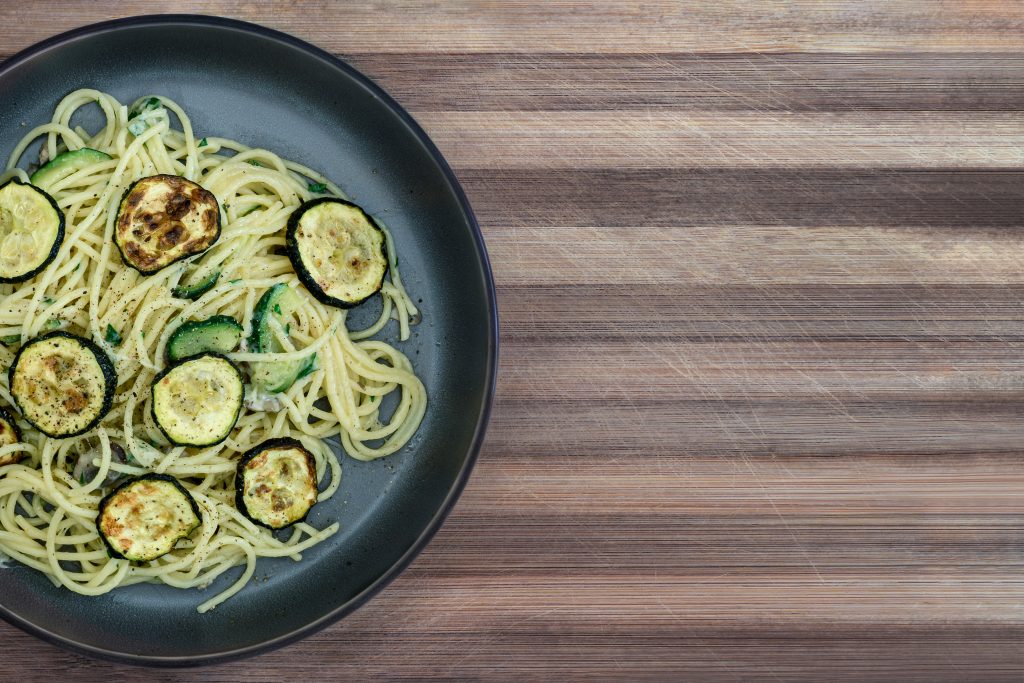
Zucchini noodles are one of the most popular foods without salt because zucchini naturally contains mild sweetness and high water content, which helps carry other flavors. To avoid a flat taste, lightly sauté the noodles instead of boiling them. This prevents excess moisture and keeps the texture slightly firm.
You can build flavor by combining zucchini noodles with garlic, olive oil, fresh herbs, and acidic elements like lemon juice or tomatoes. Mushrooms or roasted vegetables also pair well, adding umami that compensates for the lack of salt. This makes zucchini noodles ideal for anyone transitioning to lower-sodium meals without sacrificing satisfaction.
2. Chickpea Curry
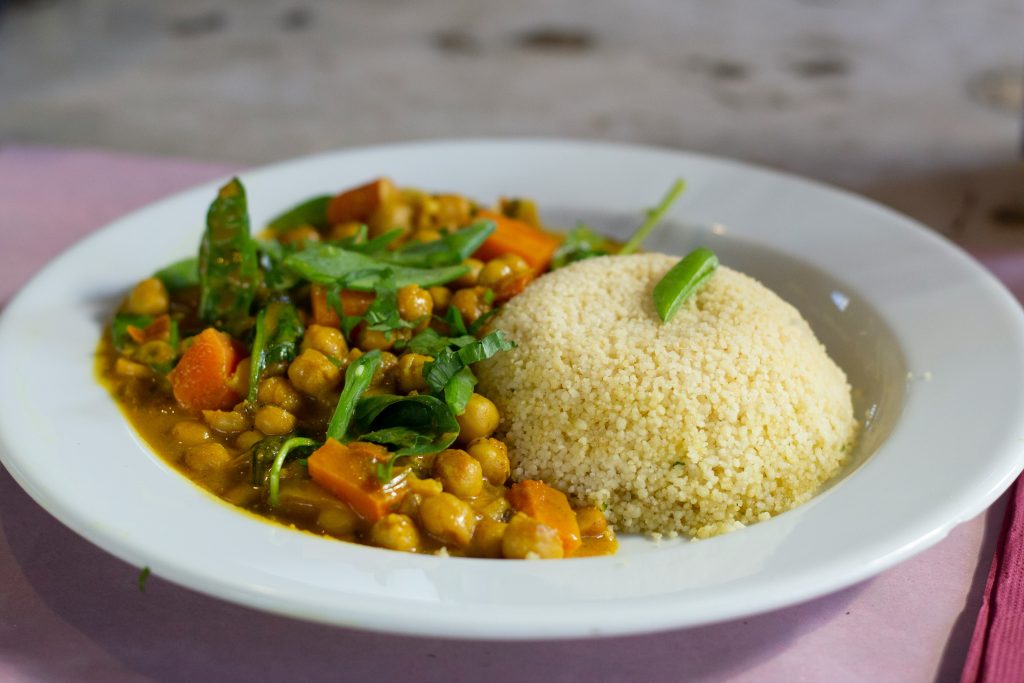
Chickpea curry works extremely well as one of the most filling foods without salt because chickpeas absorb spices deeply. While salt is traditionally used to enhance curry, spices like cumin, coriander, turmeric, ginger, and paprika naturally provide warmth and complexity.
Slow cooking is key here. Simmering chickpeas with onions, garlic, tomatoes, and spices allows flavors to fully develop. Coconut-based ingredients also add natural richness, making the dish feel complete even without sodium-heavy seasonings.
3. Vegetable Stir Fry
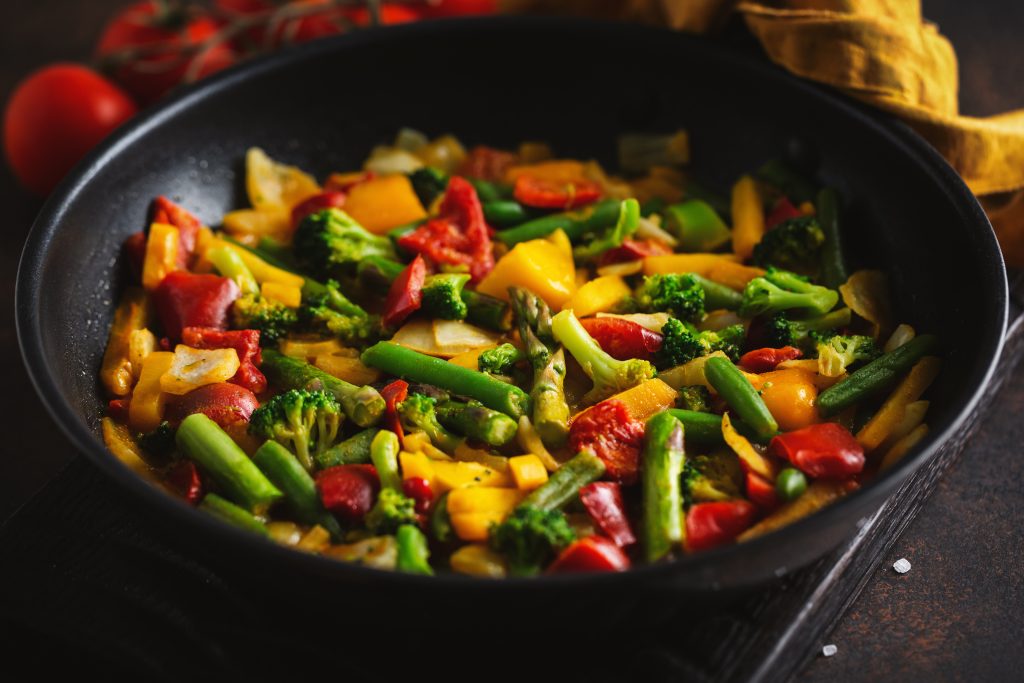
A well-executed vegetable stir fry proves that foods without salt don’t have to be bland. High heat cooking helps vegetables caramelize, creating deeper flavor through natural sugars. Broccoli, bell peppers, carrots, and mushrooms are especially effective because they develop strong aromas when cooked quickly.
Using fermented or naturally savory seasonings in small amounts can enhance umami without overwhelming sodium levels. Garlic, ginger, and sesame oil also play a major role in making stir-fried dishes taste bold and satisfying.
4. Mushroom Risotto
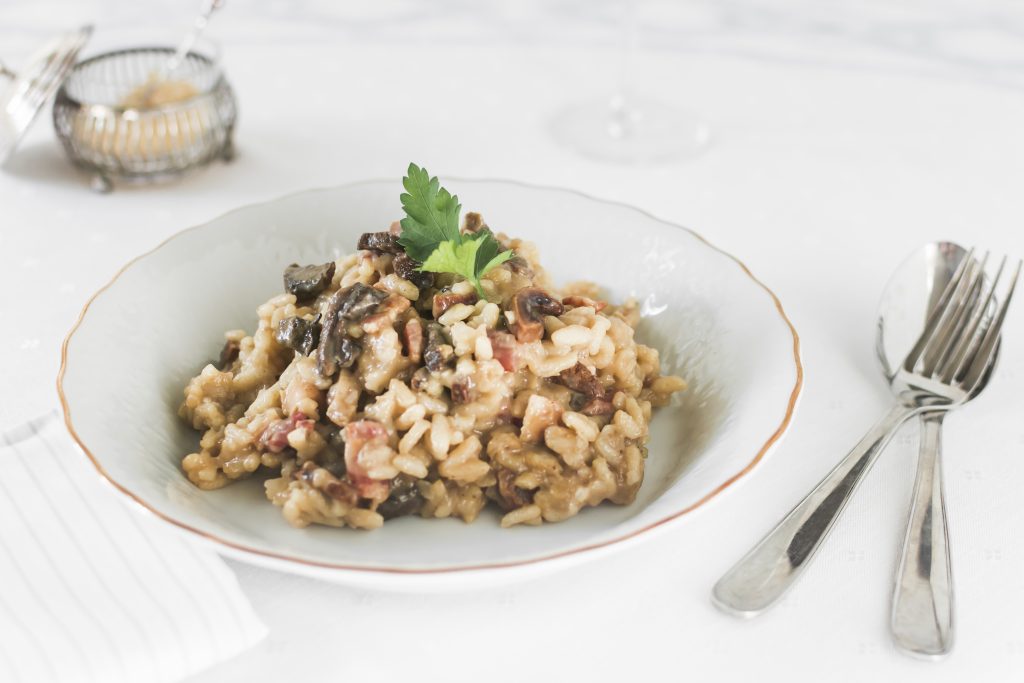
Mushroom risotto is often surprising to people new to foods without salt. Mushrooms are naturally rich in glutamates, which create a savory, “meaty” sensation even without added salt.
Cooking mushrooms separately before adding them to the risotto helps concentrate their flavor. Slowly stirring the rice releases starch, creating creaminess that adds body and richness. Herbs like thyme or parsley finish the dish.
5. Quinoa Bowls
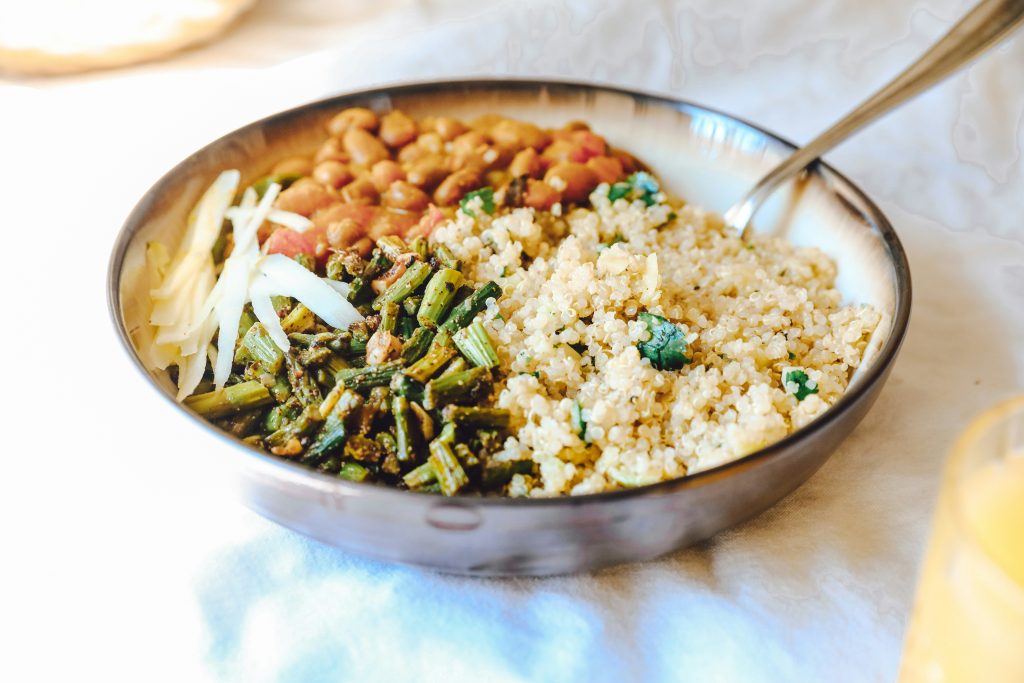
Quinoa bowls are ideal foods without salt because quinoa has a naturally nutty flavor. Rinsing quinoa before cooking removes bitterness, allowing its natural taste to come through more clearly.
To enhance flavor, pair quinoa with roasted vegetables, fresh greens, and acidic dressings made from lemon juice or vinegar. Texture is also important, making the bowl satisfying without relying on sodium.
6. Roasted Sweet Potatoes
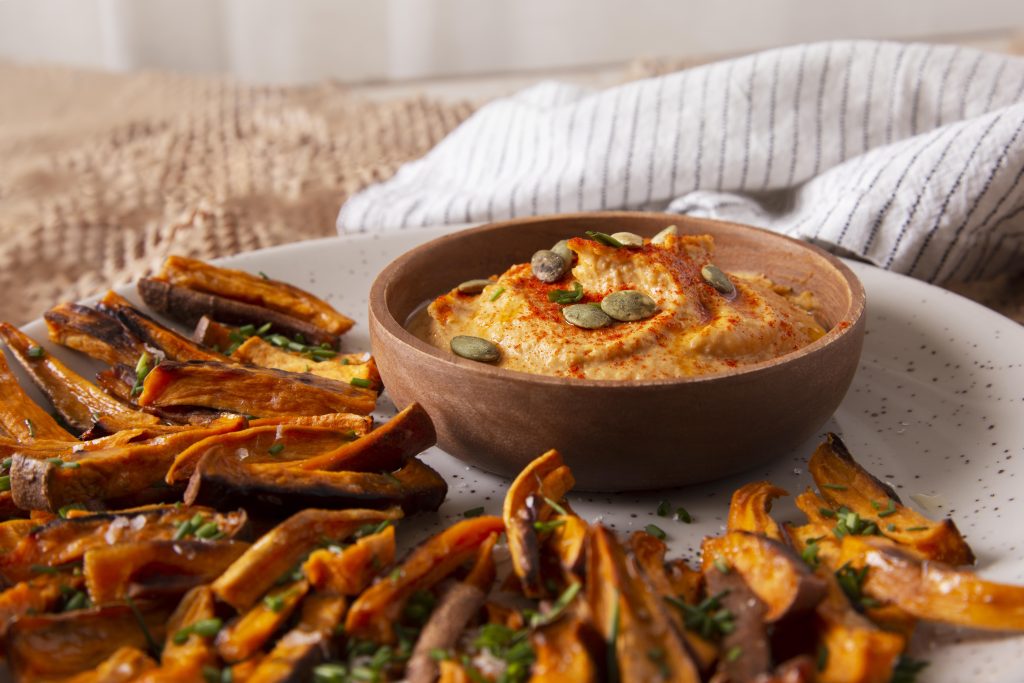
Roasted sweet potatoes are one of the easiest foods without salt to enjoy because roasting intensifies their natural sweetness. High heat causes caramelization, resulting in a deep, slightly smoky flavor. Spices like cinnamon, paprika, or black pepper add warmth without increasing sodium.
7. Fresh Salads
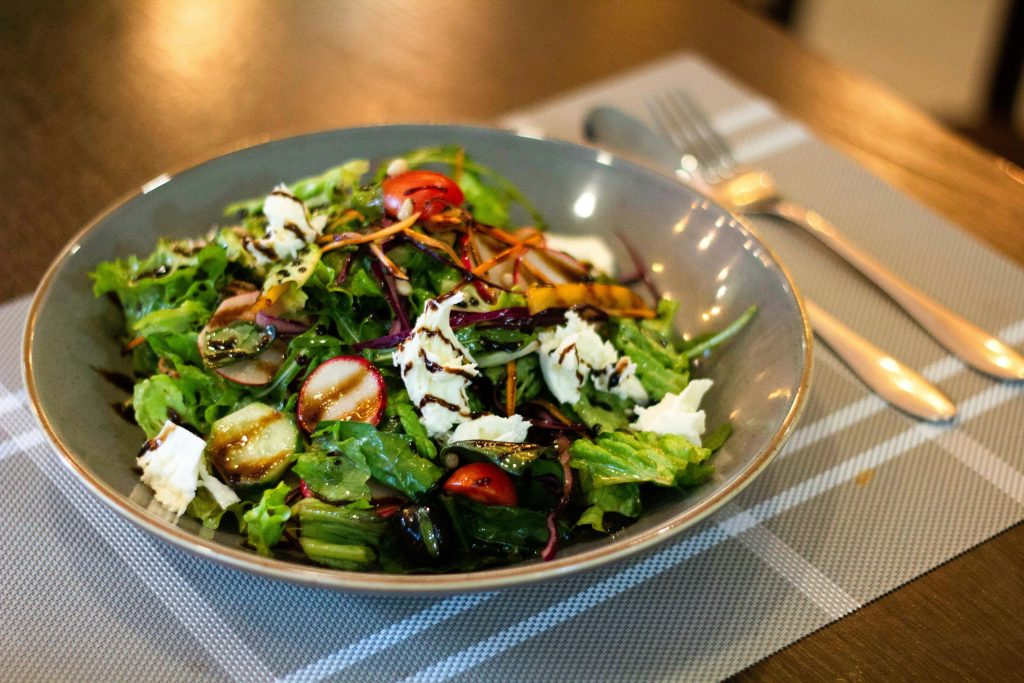
Fresh salads often get a bad reputation in foods without salt diets, but the key is balance. Combining bitter greens, crunchy vegetables, herbs, and acidic dressings creates complexity without needing salt. Ingredients like tomatoes, onions, citrus, and fermented elements add brightness and depth.
8. Vegetable Soup
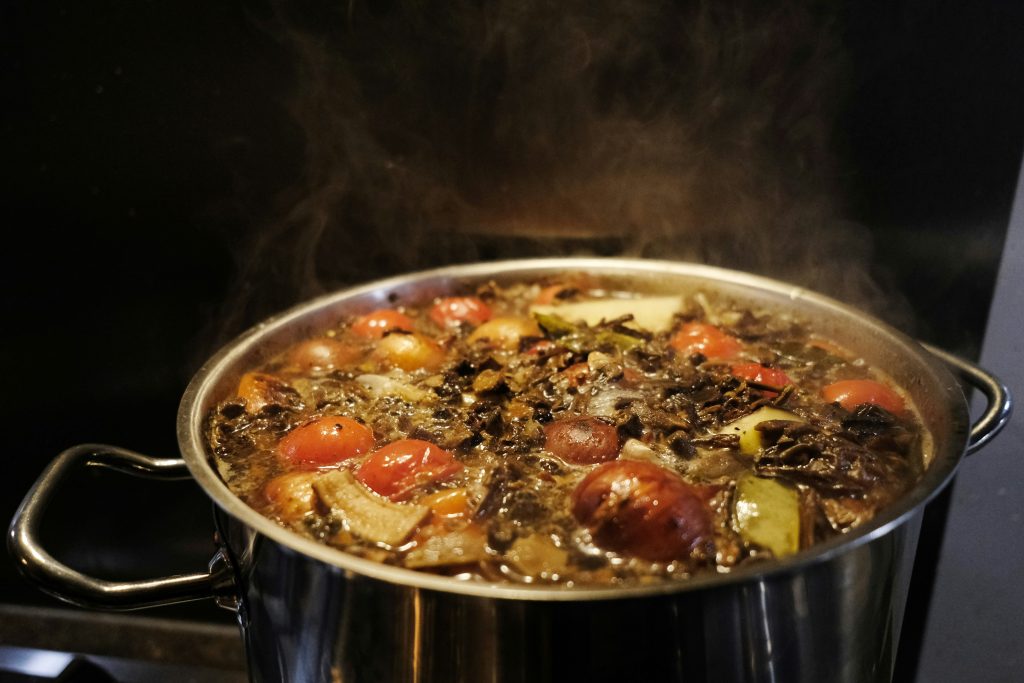
Vegetable soup is one of the most versatile foods without salt if cooked correctly. Instead of relying on salt, flavor is built through long simmering. Onions, garlic, carrots, celery, herbs, and spices release their natural compounds into the broth over time. Roasting vegetables before adding them to the soup can further intensify flavor.
Also read: Dried Anchovy: Ideas on How to Use It in Everyday Cooking
Tips for Cooking Foods Without Salt that Still Taste Great
Consistency is key when cooking salt-free meals. Start by seasoning earlier with aromatics instead of finishing with salt. Building flavor gradually helps ingredients release their natural taste.
Another important tip is tasting throughout the cooking process. Without salt, balance becomes more important than intensity. If something tastes flat, it usually needs acidity, warmth from spices, or umami—not sodium.
Texture also plays a major role. Creamy, crunchy, and tender elements together make free-sodium dishes more enjoyable and satisfying. This approach is often recommended in nutrition-focused cooking guides to improve long-term adherence to low-sodium eating.
Also read: Discover the 4 Types of Vietnamese Dragon Fruit and Why They’re a Smart Import Choice!
Foods Without Salt: Why It Doesn’t Have to Be Boring
The idea that dishes without salt are boring often comes from short-term experience. In reality, boredom usually comes from repetitive ingredients or limited techniques—not from the absence of salt itself.
Once you explore a wider range of vegetables, herbs, spices, and cooking methods, meals become more dynamic. Many traditional cuisines around the world rely heavily on herbs, fermentation, and slow cooking rather than salt alone.
Over time, people who consistently eat sodium-free salt often report improved taste sensitivity and greater appreciation for natural ingredients. This shift makes everyday meals feel more intentional and satisfying.
Time to Try a Savory Alternative for Foods Without Salt!
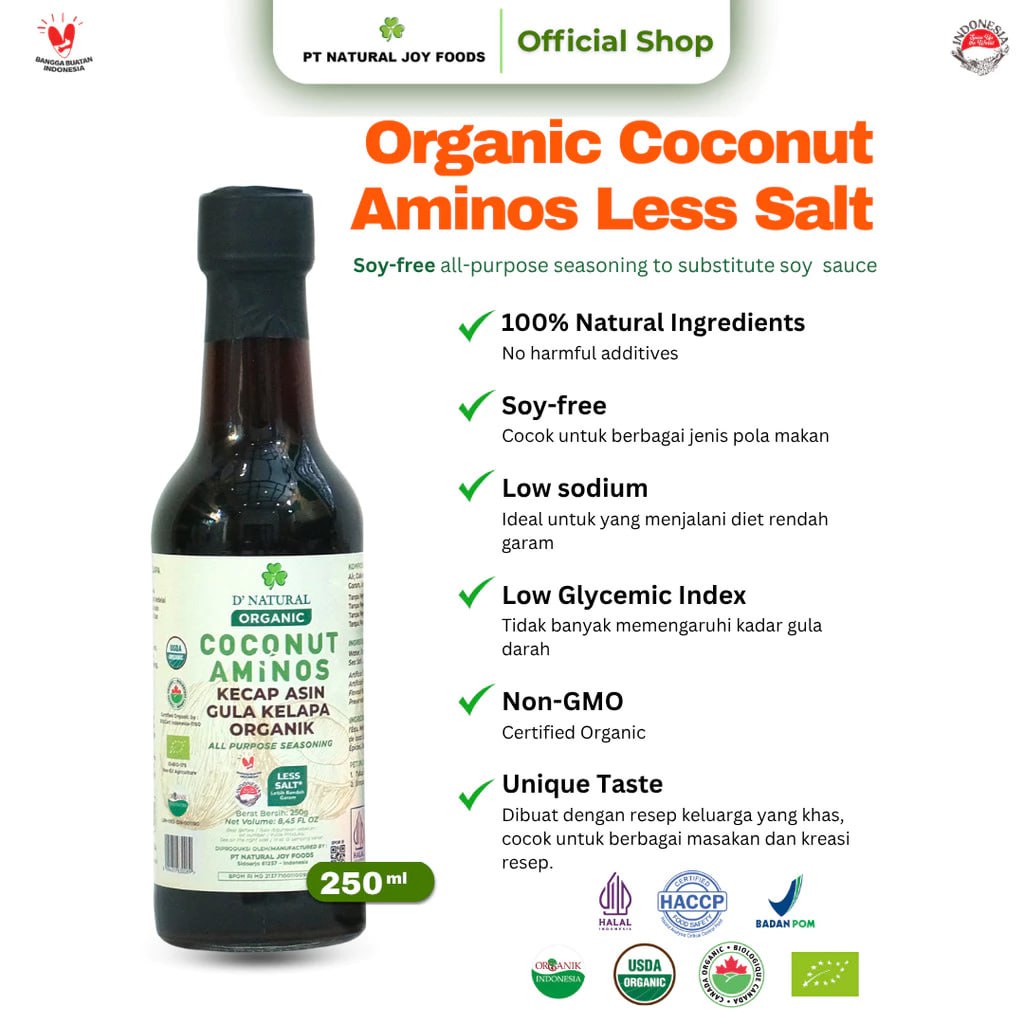
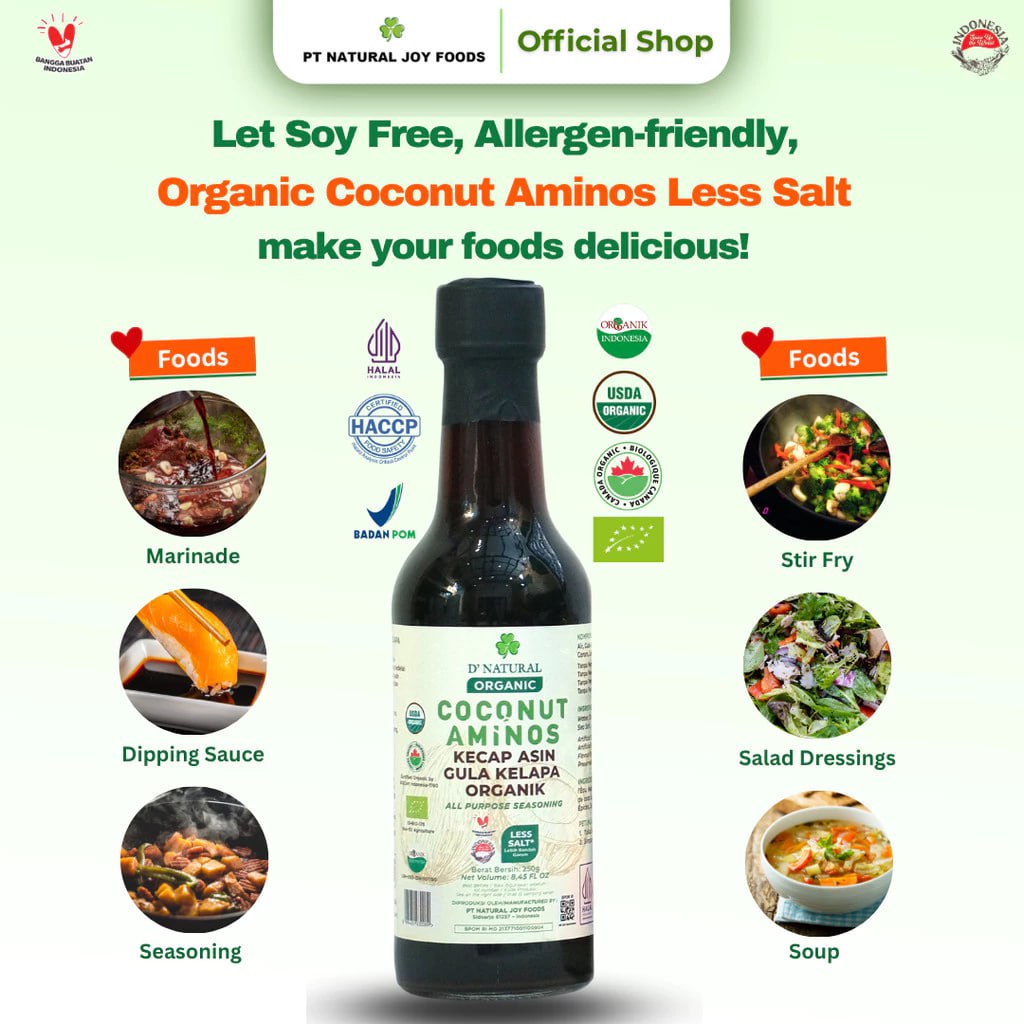
If you’re committed to enjoying salt-free dishes on a daily basis, choosing the right seasoning alternatives matters. Fermented, plant-based seasonings made without soy or artificial additives—such as Natural Joy Organic Coconut Aminos Less Salt—can provide natural savoriness without overwhelming sodium levels.
These kinds of ingredients support clean-label cooking and fit seamlessly into stir-fries, soups, marinades, and vegetable dishes. When used thoughtfully, they help foods without salt feel complete, comforting, and enjoyable—without shouting for attention.
At the end of the day, foods without salt aren’t about restriction. They’re about rediscovering flavor in a more intentional, balanced way.
0 Comments