

If you’ve ever taken a sip of coffee and thought, “Why does this taste so bitter?”—you’re definitely not alone. Many people enjoy coffee for the ritual and energy, but struggle with harsh flavors that feel overwhelming. This is where fruit coffee enters the conversation as a smoother, more approachable option.
Instead of relying on syrups or sugar to mask bitterness, fruit-forward profiles offer a different experience altogether. This style of coffee focuses on natural sweetness, bright aromatics, and balance. For anyone curious about why this approach is becoming more popular, it helps to understand what makes it different in the first place.
What Is Fruit Coffee?
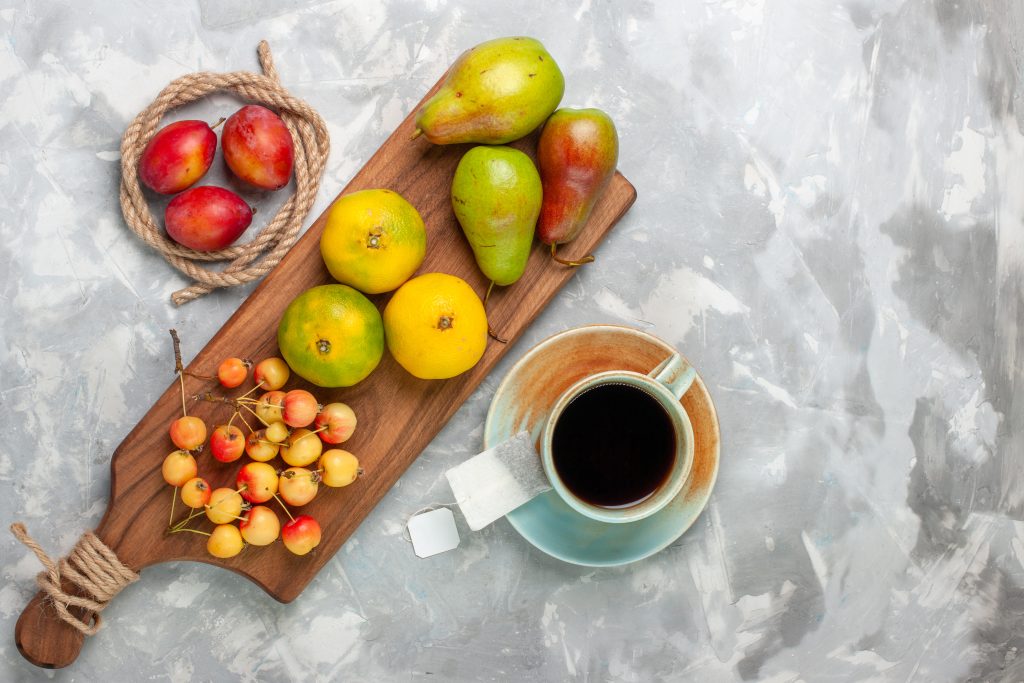
Fruit coffee refers to coffee that naturally expresses fruity, citrus, floral, or tropical notes without the addition of real fruit or artificial flavoring. These characteristics come from the coffee beans themselves, influenced by variety, origin, and processing method.
In specialty coffee, certain beans are capable of producing flavors that resemble fruits like berries, guava, citrus, or even floral aromas. When handled carefully, these beans create a cup that feels lighter and more expressive than traditional dark, bitter brews.
Rather than tasting sharp or smoky, this style of coffee tends to feel clean, aromatic, and gently sweet. That’s why fruit coffee is often associated with clarity and freshness, especially when brewed iced or enjoyed black.
Why Does Fruit Coffee Taste Less Bitter Than Regular Coffee?
Bitterness is one of the most common reasons people struggle with coffee. In many cases, it comes from over-roasting, low-quality beans, or poor brewing techniques. Fruit coffee minimizes these issues through intentional production choices.
- First, the beans used are usually harvested at optimal ripeness. Ripe coffee cherries contain more natural sugars, which help balance acidity and reduce harshness.
- Second, modern processing methods allow producers to control fermentation more precisely, encouraging smoother flavor development.
- Finally, lighter and more controlled roasting helps preserve the bean’s natural character. Instead of burning away delicate compounds, the roasting process supports sweetness and aroma.
This combination results in a cup that feels less aggressive and far more enjoyable for everyday drinking.
Is Fruity Coffee Made With Real Fruit or Added Flavoring?

This is a fair question, especially for people new to specialty coffee. The short answer is no—authentic fruit coffee does not contain added fruit or artificial flavoring.
The fruity character develops during fermentation, when sugars and natural compounds inside the coffee cherry interact in controlled environments. Techniques like anaerobic fermentation or carbonic maceration allow these flavors to emerge more clearly.
It’s similar to how wine develops notes of berries or citrus without adding fruit juice. The flavor is a natural expression of the raw ingredient and the process. That’s why properly produced fruit coffee still tastes like coffee—just with more dimension and complexity.
The Shift Toward Flavor-Forward Coffee Experiences

Coffee culture has shifted significantly over the past decade. Today, many people are less interested in just caffeine and more interested in experience, flavor, and craftsmanship. This is where fruit-forward profiles resonate strongly.
For one, these coffees feel more approachable. People who dislike bitterness often find it easier to enjoy without milk or sugar. They also work exceptionally well as iced drinks, which aligns with modern, on-the-go lifestyles.
There’s also a growing appreciation for transparency and quality. Coffee drinkers want to know where their coffee comes from and how it’s made. Fruit coffee fits naturally into this mindset, offering a sensory experience that feels intentional rather than manufactured.
Why Indonesian Coffee Naturally Delivers Tropical Fruit Notes
When people discuss the origins of fruit coffee, Indonesia deserves special attention. Indonesia’s climate, soil, and biodiversity create an important role in the world of specialty coffee, particularly when it comes to naturally expressive flavor profiles. Thanks to its tropical climate, volcanic soil, and diverse growing regions, Indonesian coffee is well known for its complexity.
Certain varieties grown in Indonesia are especially capable of producing notes reminiscent of tropical fruits and florals. Combined with innovative fermentation techniques, these beans often develop layers of sweetness, brightness, and aroma.
Rather than overpowering acidity, the flavors tend to feel rounded and smooth. This makes Indonesian-origin beans particularly suitable for fruity styles, where balance and clarity are key.
Also read: Discover the 4 Types of Vietnamese Dragon Fruit and Why They’re a Smart Import Choice!
Exploring Fruit Coffee Inspired by Indonesian Tropical Flavors
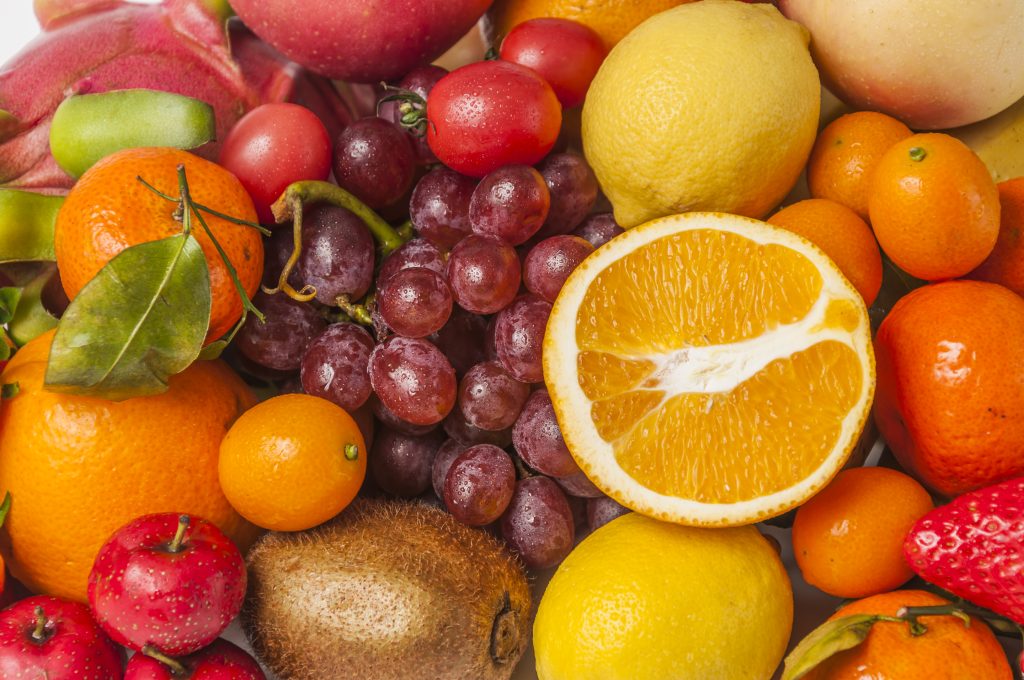
As fruit coffee continues to gain global attention, some producers have begun capturing these naturally fruity profiles into ready-to-brew formats—making it easier for you to explore without complicated brewing setups. Inspired by Indonesian tropical landscapes, certain coffee selections highlight:
- Jackfruit-like sweetness with aromatic depth
- Guava-style juiciness with mellow acidity
- Floral notes like jasmine or tuberose paired with citrus brightness
These styles are crafted using advanced fermentation methods to preserve clarity and balance. Instead of overwhelming bitterness, you get layered flavors that feel intentional and refined.
For coffee drinkers who want to explore fruit coffee without guesswork, these curated expressions offer a practical entry point—especially if you enjoy discovering new flavor experiences.
Also read: Why These 8 Malaysian Durian Varieties Deserve a Spot on Your Import List
Who is it for?
Fruit coffee isn’t just for coffee experts. It’s surprisingly versatile and ideal for you if:
- You’re tired of bitter coffee
- You enjoy iced or cold brew coffee
- You like exploring new flavors
- You want coffee without heavy syrups or sugar
- You’re curious about specialty coffee but don’t want complexity
Whether you brew at home, drink coffee on the go, or simply want something different from your usual cup, it offers a refreshing alternative.
Final Thoughts: Why Fruit Coffee Is Worth Trying
Coffee doesn’t have to be aggressively bitter to be satisfying. Fruit coffee shows how much variety and nuance coffee can offer when quality and process are prioritized.
If you’ve ever felt disconnected from coffee because of its harshness, exploring fruit-forward styles might change how you see it. And if you already enjoy coffee, this is simply another way to experience it—one that emphasizes balance, aroma, and natural sweetness.
Sometimes, the most interesting cups come from letting the coffee speak for itself.

0 Comments