
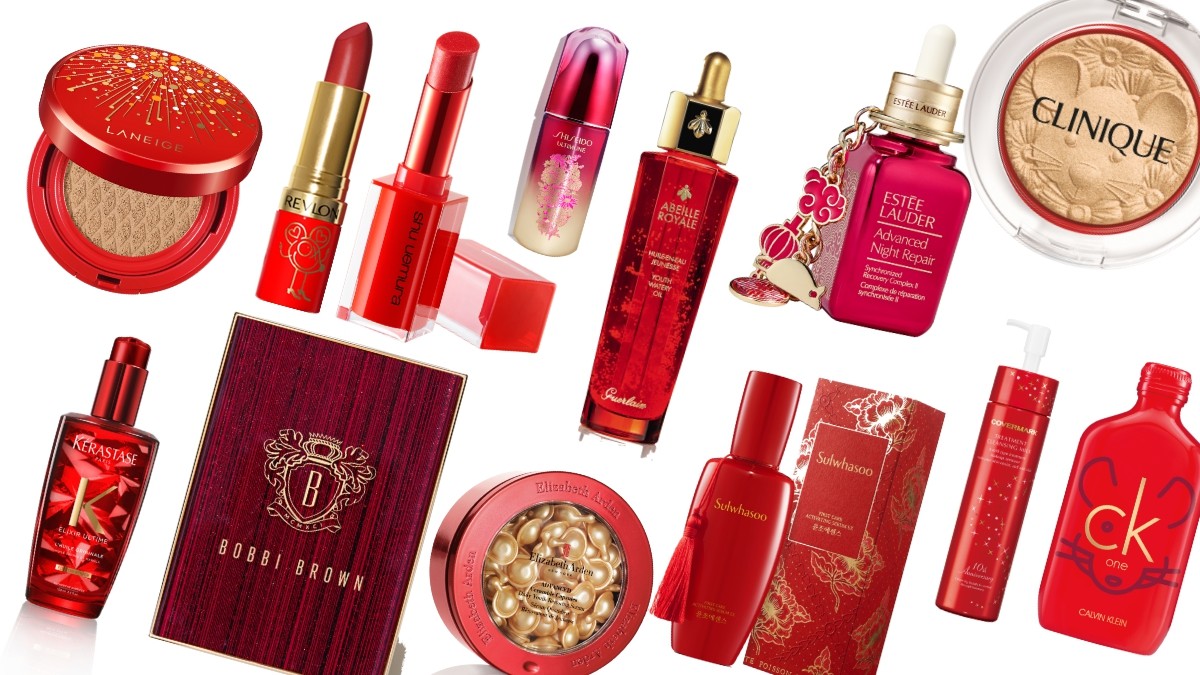
By AsiaCommerce Market Expansion Team
ASIACOMMERCE - Indonesia offers a large opportunity for Chinese cosmetic brands, but market size alone does not make every brand ready to enter.
Indonesia's beauty market continues to expand rapidly in 2026.
Industry estimates place the country's cosmetics and beauty market above US$10 billion, equivalent to approximately Rp173–177 trillion.
Worldpanel also recorded 13% beauty market growth in 2026, with younger consumers contributing significantly to that momentum.
Those numbers can make Indonesia appear like an obvious destination for international beauty companies.
The commercial reality is more complicated.
Indonesia combines strong demand with established local brands, digitally active consumers, regulatory requirements, and highly competitive marketplace channels.
For Chinese beauty companies, the real question is therefore not simply whether Indonesia is a large market.
The better question is whether the brand has the right product, positioning, market-entry structure, and local execution capabilities to compete.
AsiaCommerce has supported cross-border sourcing and Southeast Asian market expansion through PT Exim Jaya Abadi and PT Kalimas Mitra Perkasa since 2016.
Our experience shows that attractive market demand only becomes commercially meaningful when the brand can translate that opportunity into local execution.
1. Indonesia Offers Scale, but Scale Also Attracts Competition
Indonesia's beauty opportunity is substantial enough to attract both domestic and international companies.
The country's cosmetics and beauty market is expected to exceed US$10 billion in 2026.
Worldpanel data also shows that Indonesia's beauty market grew 13% in 2026.
However, foreign brands should not interpret this growth as evidence of easy market entry.
Indonesia already has a highly active domestic beauty ecosystem.
(ALSO READ: Top Chinese Cosmetic Brands to Watch in 2026: What Their Growth Means for Southeast Asia)Local brands hold strong positions across digital channels, while Indonesian consumers can choose from increasingly diverse skincare and makeup portfolios.
Worldpanel reported that six of Indonesia's top ten online beauty brands are local brands.
Marketplace transaction data shows the same competitive pressure within makeup.
Magpie IQ estimates that Indonesian makeup e-commerce generated around US$48 million in monthly GMV by June 2026, with local brands holding several leading positions.
This creates an important distinction for Chinese beauty companies.
A growing market creates opportunity, but it also attracts stronger competitors.
Foreign brands therefore need more than competitive pricing or an attractive product catalogue.
They need a clear reason for Indonesian consumers to choose their products over established alternatives.
For a Chinese cosmetic brand evaluating Indonesia, market size should therefore be the beginning of the assessment rather than the final justification for expansion.
2. Indonesian Beauty Consumers Are Digital, but Increasingly Selective
Indonesia's digital ecosystem creates a natural advantage for brands experienced in social commerce.
That can make the market particularly interesting for Chinese beauty companies with strong digital capabilities.
Worldpanel found that 56% of Indonesian Gen Z beauty consumers purchase beauty products online.
Digital channels also play an important role in product discovery and brand consideration.
However, online availability alone does not guarantee market acceptance.
Indonesian beauty shoppers are becoming more exploratory across categories while also considering different product benefits and price levels.
This creates opportunities for differentiated products, but it also raises expectations.
A product that performs well in China cannot simply rely on its domestic positioning when entering Indonesia.
Consumer expectations around product benefits, ingredients, affordability, trust, and local relevance can influence whether initial curiosity develops into repeat demand.
Platform dynamics add another layer.
Magpie IQ recorded Shopee as the dominant marketplace for makeup during April–June 2026, while other commerce ecosystems also captured significant transaction activity.
The important lesson is not that every Chinese brand should prioritize the same marketplace.
Instead, digital traction depends on how product positioning, channel selection, content, inventory, and local consumer behaviour work together.
For prospective entrants, Indonesia should therefore be evaluated as a local consumer market rather than simply another destination for an existing China strategy.
3. Market Potential Does Not Automatically Mean Market Readiness
A foreign beauty brand can identify demand in Indonesia and still be unprepared to enter it.
This distinction matters because cosmetics are regulated products.
(ALSO READ: Should You Import an Existing Chinese Cosmetic Brand or Build Your Own Private Label?)Indonesia currently applies BPOM Regulation No. 25 of 2025 on technical requirements for cosmetic ingredients, which remains in force in 2026.
The market is also approaching a significant halal milestone.
BPJPH confirms that cosmetics are among the product categories covered by mandatory halal certification beginning on 18 October 2026 under the applicable implementation stages.
These requirements change the commercial question for foreign brands.
A product portfolio should not be evaluated only through demand, packaging, pricing, or social-media performance.
The company must also determine whether its products and business structure can support legitimate market entry.
This is where market opportunity and market readiness begin to intersect.
Regulatory requirements can affect product selection, documentation, timing, and the wider launch structure.
Foreign brands should therefore consider these issues before committing significant inventory or expansion resources.
That does not mean the brand needs to build its own regulatory expertise or manage every process internally.
It means market-entry requirements should become part of the commercial decision early enough to avoid disconnects later.
For Chinese cosmetic brands, the strongest opportunity is not simply a product that could attract Indonesian consumers.
It is a product portfolio that can connect consumer demand with a workable route into the market.
4. Winning Online Requires More Than Listing Products
Indonesia's strong e-commerce adoption can make marketplace entry appear straightforward.
The competitive environment suggests otherwise.
Local beauty brands already hold strong online positions, and digital commerce continues to intensify competition for consumer attention.
Worldpanel also describes Indonesian beauty consumers as increasingly omnichannel rather than dependent on one purchasing route.
For foreign brands, this means marketplace presence should not be confused with market development.
Products still require appropriate inventory availability, local fulfillment, marketplace execution, consumer-facing positioning, and distribution support.
Those elements become particularly important when a brand starts generating demand across multiple channels.
Inventory needs to be available where demand occurs.
Orders need local fulfillment.
Marketplace operations need ongoing management.
Distribution decisions also need to remain aligned with the brand's wider market strategy.
This is where the decision to enter Indonesia moves beyond market research.
The company must decide whether it will build those capabilities independently or work with local infrastructure that already supports them.
AsiaCommerce provides the latter route for international brands.
Our market-entry model can connect regulatory preparation, import coordination, warehousing, fulfillment, marketplace operations, and e-commerce distribution according to the project's requirements.
The objective is not simply getting products into Indonesia.
It is creating a workable local operating structure without requiring the foreign brand to build every function from the ground up.
5. The Better Question Is Whether Your Brand Is Ready for Indonesia
Indonesia's 2026 beauty market provides several reasons for Chinese cosmetic brands to investigate the opportunity seriously.
The market exceeds US$10 billion, beauty spending continues to grow, and younger consumers have embraced digital purchasing.
Yet those same conditions also create a competitive environment.
Strong local brands already understand Indonesian consumers and hold meaningful positions across online channels.
(ALSO READ: Barang Import dari China yang Potensial Dijual di Indonesia 2026: Apa yang Masih Menarik?)Regulatory readiness adds another consideration, particularly as Indonesia strengthens cosmetic requirements and moves toward the October 2026 halal implementation milestone.
Therefore, the decision should not be reduced to whether Indonesia is an attractive beauty market.
The more useful question is whether your brand is commercially and operationally ready to capture that opportunity.
That requires alignment between product-market fit, regulatory readiness, import structure, local inventory, marketplace execution, and distribution.
When those components are evaluated separately, expansion can create unnecessary complexity.
When they work as one connected market-entry process, the brand can focus more effectively on building demand.
AsiaCommerce supports international brands across that process, from China and other sourcing markets into Southeast Asian destinations such as Indonesia.
For a Chinese beauty company evaluating Indonesia, this creates an alternative to building separate local capabilities for each stage of expansion.
Considering Indonesia as the next market for your cosmetic brand?
Discuss your product portfolio and expansion objectives with AsiaCommerce to assess the appropriate market-entry and distribution structure before committing to the market.
Discuss Your Indonesia Market Entry with AsiaCommerce (*)
AsiaCommerce: Cross-Border Supply Chain Enabler for Southeast Asia
0 Comments